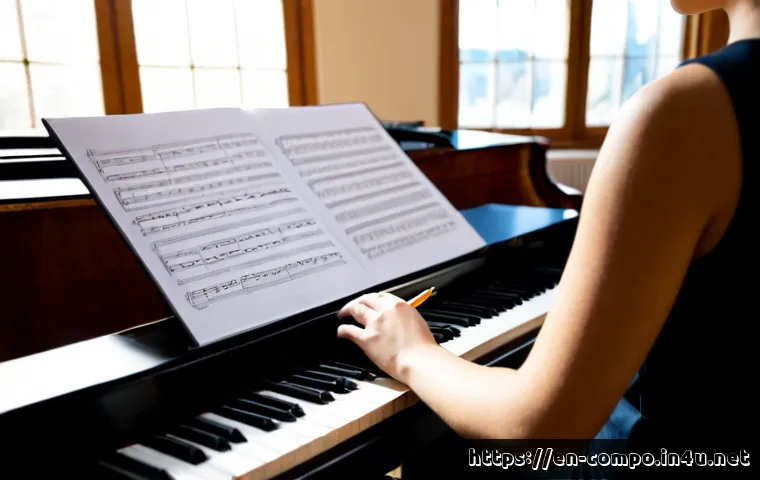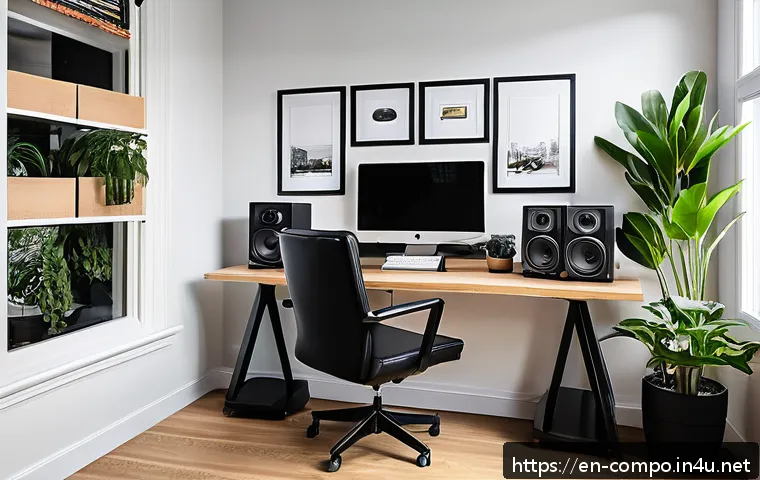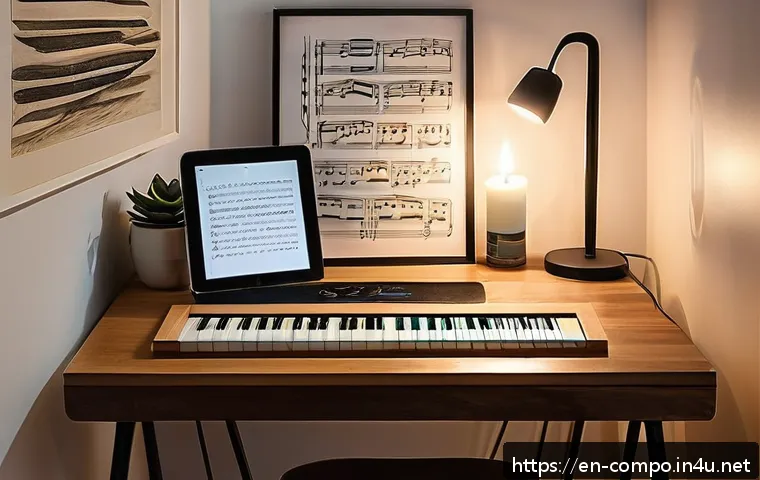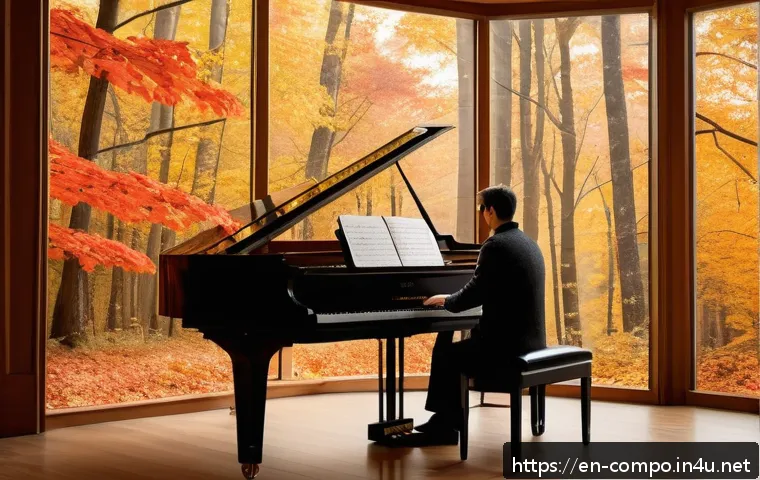
Hey there, music makers and aspiring maestros! It feels like just yesterday we were talking about basic music theory, but the truth is, the world of music composition is constantly evolving at warp speed, isn’t it?
I’ve been watching the industry shift, and what composers need to thrive today, let alone in 2025 and beyond, is dramatically different from even a few years ago.
It’s no longer enough to just write beautiful melodies; you’ve got to be a tech wizard, a savvy business person, and a collaborative powerhouse all rolled into one.
From crafting intricate scores for the latest blockbuster games to producing chart-topping hits with AI assistance, each path demands a unique blend of expertise.
If you’ve ever wondered how to really stand out and build a sustainable career in this exciting, yet competitive, field, you’re in the right place. We’re talking about mastering everything from cutting-edge DAWs and immersive audio techniques to the crucial art of networking and personal branding.
This isn’t just about making music; it’s about strategically building your future. Ready to unlock the specific skillsets that will elevate your composing career, no matter your niche?
Let’s dive deeper and uncover exactly what it takes to succeed in today’s dynamic music landscape.
Mastering the Digital Composer’s Toolkit
Becoming a DAW Dynamo
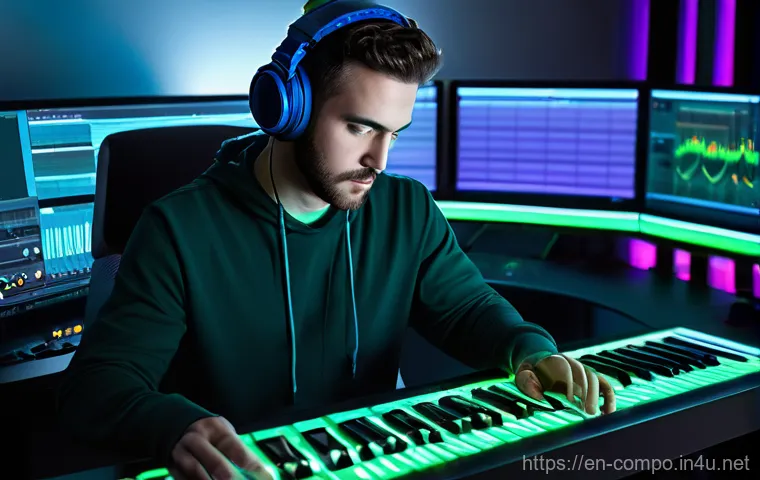
Okay, so let’s be real here – if you’re not intimately familiar with at least one major Digital Audio Workstation (DAW), you’re already playing catch-up.
I remember when I first started out, it was all about Pro Tools and Logic, and while they’re still powerhouses, the landscape has just exploded! We’re talking about Ableton Live, FL Studio, Cubase, Studio One, and so many more, each with its own workflow and specialties.
It’s not just about knowing how to record and arrange anymore; it’s about deep-diving into mixing, mastering, sound design, and even live performance capabilities.
Personally, I’ve spent countless hours experimenting with different DAWs, and what I’ve found is that really getting under the hood of your chosen platform – understanding its shortcuts, its built-in plugins, its unique features – is where the magic happens.
It saves you so much time and opens up creative avenues you didn’t even know existed. Think about it: a client sends you a project, and you can seamlessly open it, make edits, and send it back without a hitch.
That kind of efficiency and professionalism is absolutely critical in today’s fast-paced industry. Plus, knowing your way around these tools like the back of your hand means you can spend less time fumbling with technology and more time actually making awesome music.
This isn’t just about being good; it’s about being *fluent* in your digital language, and trust me, that fluency will set you miles apart.
Exploring Advanced Sound Design and Synthesis
This is where things get really exciting, isn’t it? Gone are the days when you needed a massive analog synth wall to create unique sounds. Now, with software synthesizers and advanced sampling techniques, the sonic possibilities are literally endless.
I’ve personally been obsessed with modular synthesis software lately, and the sheer depth of sound you can achieve is mind-boggling. It’s not just about picking a preset anymore; it’s about crafting a sound from the ground up, shaping its envelopes, modulating its filters, and layering textures until it perfectly fits the emotion or scene you’re scoring.
Whether you’re designing bespoke alien soundscapes for a sci-fi game, creating a signature drum sound for a pop track, or crafting ambient textures for a film, a strong grasp of sound design is indispensable.
It allows you to build a truly unique sonic identity, something that really makes your music *yours*. I’ve seen so many composers get stuck using stock sounds, and while that works for some things, it rarely makes a lasting impression.
Learning to manipulate waveforms, understand granular synthesis, or even just creatively process existing samples can elevate your compositions from good to truly groundbreaking.
It’s a skill that pays dividends, not just in the quality of your output, but in the sheer joy of creative discovery.
Beyond the Notes: The Business Savvy Musician
Navigating Licensing and Royalties Like a Pro
Let’s talk money, because honestly, that’s what keeps the lights on! Composing is an art, but it’s also a business, and understanding the ins and outs of music licensing and royalties is absolutely non-negotiable in 2025.
I’ve learned this the hard way over the years, spending countless hours untangling publishing agreements and performance rights. You need to know the difference between mechanical, synchronization, and public performance royalties, and how collecting societies like ASCAP, BMI, or PRS for Music play a role.
It’s not the most glamorous part of the job, but it’s crucial for protecting your intellectual property and ensuring you get paid fairly for your hard work.
Think about it: every time your music is used in a film, a video game, a commercial, or even just played on the radio, there’s a potential income stream you could be tapping into.
Knowing how to register your works, track their usage, and negotiate fair terms can literally be the difference between a struggling hobby and a thriving career.
Don’t shy away from legal jargon; instead, embrace it as part of your composer’s toolkit. Trust me, future you will thank present you for putting in the effort to understand this vital aspect of the music industry.
Strategic Marketing and Self-Promotion
In today’s crowded market, it’s not enough to just create amazing music; you’ve got to be your own biggest advocate. This means getting seriously strategic about how you market yourself and your work.
I’ve seen incredibly talented composers get overlooked simply because they didn’t know how to effectively showcase their portfolio or connect with the right people.
We’re talking about crafting a compelling online presence, curating a killer showreel that highlights your best work, and understanding how to pitch yourself to potential clients or collaborators.
Social media isn’t just for sharing cat videos anymore; it’s a powerful tool for building your brand and reaching a global audience. Knowing how to tell your story, share your process, and engage with your community can create a buzz around your work that traditional methods just can’t match.
This also extends to understanding how to analyze your audience, tailor your message, and even run targeted ad campaigns if that’s part of your strategy.
It’s about being proactive, not just waiting for opportunities to come knocking. Embrace the role of the entrepreneur, because in this ever-evolving industry, your ability to market yourself is just as important as your ability to compose a brilliant melody.
Unleashing Creativity with AI and Emerging Tech
Harmonizing with AI Co-Composers
Okay, deep breath everyone, because AI in music is here to stay, and honestly, it’s not the monster some people make it out to be. In fact, I’ve started viewing AI not as a replacement, but as an incredibly powerful co-pilot in my creative process.
Imagine hitting a creative block and having an AI generate dozens of melodic ideas or harmonic progressions in seconds that you can then tweak, refine, and infuse with your own unique human touch.
Tools like Amper Music, AIVA, or Google Magenta aren’t just for novelty; they’re becoming sophisticated assistants that can handle tedious tasks, generate variations, or even help you explore entirely new stylistic territories.
I’ve personally found them invaluable for quickly sketching out ideas or for breaking out of my usual compositional habits. It’s like having an infinite brainstorming partner that never gets tired.
The trick isn’t to let AI do *all* the work, but to leverage its computational power to augment your own creativity, allowing you to focus on the emotional depth and artistic vision that only a human can provide.
Learning how to prompt these systems effectively and integrate their output seamlessly into your DAW workflow is becoming an indispensable skill. It’s a brave new world, and those who learn to dance with AI will be the ones leading the charge.
Embracing New Musical Interfaces and Workflows
The way we interact with music is constantly changing, and that includes the tools we use to create it. We’re seeing a fascinating shift towards more intuitive, expressive, and sometimes downright futuristic interfaces.
Think about MPE (MIDI Polyphonic Expression) controllers that allow for nuanced control over individual notes, or VR/AR environments that let you sculpt sound in three-dimensional space.
I’ve been experimenting with some gesture-based controllers, and it truly feels like I’m painting with sound. These aren’t just gimmicks; they’re opening up entirely new ways of thinking about performance and composition, allowing for a level of expressiveness that was previously impossible.
Understanding these emerging interfaces, even if you don’t use them all, broadens your perspective on what’s possible in music creation. It’s also about staying adaptable and open to new workflows that might seem unconventional at first.
The industry is always pushing boundaries, and composers who can quickly integrate new technologies and adapt their methods will always be in high demand.
It’s about curiosity and a willingness to step outside your comfort zone, because sometimes the most groundbreaking music comes from the most unexpected places.
The Art of Collaboration and Community Building
Forging Powerful Industry Connections
In an industry as relationship-driven as music, networking isn’t just a buzzword; it’s the lifeblood of your career. I can’t stress this enough: the opportunities that have come my way – from film scores to game projects – have almost always stemmed from a connection I made, sometimes years prior.
It’s not about aggressively handing out business cards; it’s about genuine human connection, building rapport, and being a reliable, supportive presence in your community.
Attend industry events, online forums, masterclasses, and be open to meeting people from all walks of the music world. Whether it’s a fellow composer, a sound designer, a film director, or a game developer, every interaction is a chance to learn and grow.
I’ve found that simply offering help, sharing knowledge, or providing constructive feedback can lead to incredible collaborative ventures down the line.
Remember, people hire people they like and trust. Cultivating a reputation for being professional, easy to work with, and genuinely talented will open doors that raw talent alone often can’t.
It’s about planting seeds and nurturing relationships, understanding that every single person you meet could be a future collaborator, client, or mentor.
Collaborative Tools and Remote Work Mastery
The pandemic definitely accelerated this, but even before that, remote collaboration was becoming essential. In 2025, being able to seamlessly work with musicians, producers, and directors across different time zones and continents isn’t just a nice-to-have; it’s a fundamental skill.
I’ve spent countless hours in online sessions, sharing project files, collaborating on mixes, and communicating complex musical ideas using various platforms.
Knowing how to leverage cloud-based DAWs, file-sharing services, video conferencing tools, and collaborative notation software is absolutely critical.
It’s not just about the technical aspect, though. It’s also about effective communication, clear project management, and maintaining a strong collaborative spirit even when you’re not physically in the same room.
I’ve found that setting clear expectations, providing detailed feedback, and being responsive are key to successful remote projects. This skill set expands your potential client base exponentially, allowing you to work with talent and projects from anywhere in the world.
It’s about building bridges, not just across musical ideas, but across geographical distances, making the world your oyster when it comes to creative partnerships.
Diving Deep into Immersive Audio Experiences
Composing for Spatial and 3D Audio
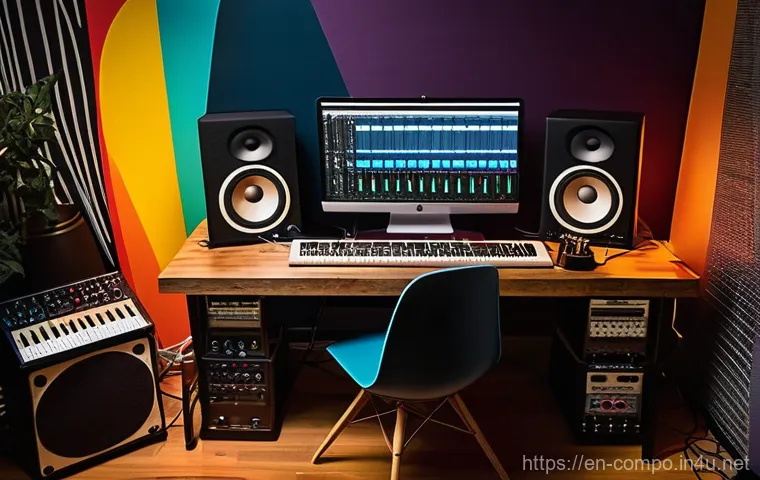
Here’s where things get really futuristic and incredibly exciting for composers: spatial and 3D audio. We’re moving beyond stereo and even surround sound into experiences where sound can literally come from anywhere around you – above, below, behind, in front.
Think about scoring for virtual reality games, augmented reality experiences, or even interactive art installations where the soundscape evolves with the user’s movement.
This isn’t just about placing sounds in a wider field; it’s about composing in three dimensions, considering how sounds move through space and how that movement impacts the emotional narrative.
I’ve been experimenting with tools like Dolby Atmos and Ambisonics, and it completely shifts your perspective on how music interacts with a listener. It requires a different kind of compositional thinking, almost like sculpting sound in a physical space rather than just painting on a stereo canvas.
Learning the principles of object-based audio, understanding binaural rendering, and getting hands-on with the software and hardware for these formats will put you at the forefront of a rapidly expanding field.
This is an area where innovation is happening at lightning speed, and composers who can master this new dimension of sound will be the ones creating truly unforgettable, immersive experiences.
Crafting Adaptive and Interactive Music
If you’re making music for games, interactive installations, or dynamic digital experiences, the old linear approach just won’t cut it anymore. We’re living in an era where music needs to respond and adapt in real-time to user actions, story progression, or even environmental changes.
This means moving beyond static tracks and delving into the world of adaptive and interactive music systems. I’ve spent hours working with middleware like Wwise or FMOD, learning how to implement music that seamlessly transitions between intensity levels, shifts instrumentation based on player choices, or even generates variations on the fly.
It’s a completely different mindset than composing for film or television, where the timing is fixed. Here, you’re designing a musical ecosystem that can react intelligently and emotionally to an unpredictable narrative.
This requires not just compositional skill, but also a good understanding of game design principles, scripting logic, and the technical aspects of implementation.
It’s incredibly challenging, but also immensely rewarding to hear your music breathe and evolve with the player’s journey. This is where music truly becomes part of the interactive fabric of an experience, and it’s a skill that game developers and experience designers are constantly on the lookout for.
Genre-Hopping and Stylistic Versatility
The Eclectic Composer’s Repertoire
The days of being a “jazz composer” or a “classical composer” in isolation are largely behind us, especially if you’re aiming for a broad career. In 2025, clients are looking for composers who can wear multiple hats and seamlessly jump between genres and styles.
I’ve found that my ability to pivot from an orchestral score to an electronic pop track, and then to an indie folk song, has been one of my biggest assets.
This doesn’t mean you need to be an expert in everything, but having a solid grasp of different musical vocabularies, instrumentation, and production techniques is invaluable.
It’s about being a musical chameleon, capable of adapting your sound to fit the specific needs of a project, whether it’s a gritty sci-fi game, a heartwarming commercial, or a high-energy dance track.
This versatility often comes from actively listening to and analyzing music across a huge spectrum, and then experimenting with those elements in your own work.
Don’t be afraid to step outside your comfort zone and explore genres you wouldn’t normally touch. You might discover new creative avenues and certainly make yourself a more attractive candidate for a wider range of opportunities.
It’s about expanding your sonic palette and proving that you’re not a one-trick pony.
Cultural Fluency in Global Music Production
As the world becomes more interconnected, so does music. Clients are increasingly looking for composers who can infuse their work with a sense of global awareness and cultural authenticity.
This doesn’t mean appropriating cultures, but rather having a respectful understanding and appreciation for diverse musical traditions and instruments.
I’ve worked on projects that required everything from traditional Japanese shakuhachi sounds to Afro-Cuban percussion rhythms, and having a foundational understanding of these elements, or knowing how to research them properly, was crucial.
It’s about bringing an informed perspective to your compositions, allowing you to create music that resonates with a global audience. This skill also extends to working with international collaborators, understanding different approaches to music-making, and being sensitive to cultural nuances in communication.
The beauty of music is its universal language, but mastering its many dialects can unlock incredible opportunities. This involves active listening to world music, understanding ethnomusicological concepts, and sometimes, even collaborating directly with musicians from specific cultural backgrounds.
It truly enriches your own musical journey and makes your work more resonant on a global scale.
Crafting Your Unique Brand and Online Presence
Building an Irresistible Portfolio and Showreel
In the digital age, your portfolio and showreel are often the first, and sometimes only, impression you make on a potential client or collaborator. It’s not just a collection of your work; it’s a carefully curated narrative that showcases your best skills, highlights your unique artistic voice, and demonstrates your versatility.
I’ve spent countless hours refining my own showreel, making sure it’s tight, professionally mixed, and tells a compelling story. It needs to be easy to navigate, visually appealing, and, most importantly, immediately grab the attention of someone who might only have a few seconds to spare.
Think about tailoring different reels for different niches – one for film, one for games, one for commercials. Ensure your audio examples are top-notch quality and clearly demonstrate your abilities in orchestration, sound design, melody, and whatever your specialty might be.
This isn’t just about the music itself, but also how you present it. A professional website that’s easy to navigate, with clear calls to action and a coherent brand identity, is absolutely essential.
This is your storefront, your digital handshake, and it needs to impress from the moment someone lands on it.
Engaging Your Audience and Community
Beyond just showcasing your work, actively engaging with your audience and building a community around your music is a game-changer. It’s what transforms passive listeners into dedicated fans and potential clients.
I’ve found that regularly sharing insights into my creative process, posting behind-the-scenes content, and directly interacting with comments and questions on social media has built a far stronger connection than simply dropping a new track and hoping for the best.
This kind of authentic engagement fosters loyalty and creates advocates for your work. Consider platforms like YouTube, Instagram, or even a personal blog as spaces not just for promotion, but for storytelling and connection.
It’s about being approachable, sharing your journey, and making people feel like they’re part of your world. This also means being mindful of what kind of content resonates best with your audience and adapting your strategy accordingly.
The more you connect with people on a human level, the more they’ll invest in you and your music. Building a vibrant community around your artistry isn’t just good for your ego; it’s a powerful engine for long-term career growth and sustained relevance.
| Composer Niche | Key Skill Focus | Essential Tools/Mindset |
|---|---|---|
| Film & TV Scoring | Emotional Storytelling, Orchestration, Time Synchronization, Thematic Development | Logic Pro, Cubase, Kontakt, Cinesamples Libraries, Collaborative Vision, Deadline Management |
| Video Game Composer | Adaptive Music Systems, Interactive Sound Design, Technical Implementation, Narrative Sensitivity | Wwise, FMOD, Unity/Unreal Engine knowledge, Ableton Live, Logic, Modular Synthesis, Problem-Solving |
| Commercial & Branding | Genre Versatility, Quick Turnaround, Understanding Client Briefs, Sonic Identity Creation | Logic Pro, Ableton Live, Production Music Libraries, Strong Communication, Business Acumen |
| Artist & Producer | Unique Sound Design, Genre Innovation, Mixing/Mastering, Marketing & Branding, Collaboration | Ableton Live, FL Studio, Serum, Diva, Social Media Strategy, Entrepreneurial Spirit |
| Concert & Contemporary | Advanced Notation, Orchestral Writing, Atonality/Modern Techniques, Academic Awareness | Sibelius, Finale, Max/MSP, Deep Music Theory, Grant Writing, Performance Context Understanding |
Wrapping Things Up
Okay, so we’ve journeyed through quite a bit today, haven’t we? From deep-diving into our DAWs to embracing the exciting future of AI and immersive audio, it’s clear that the world of music creation is always evolving at an incredible pace.
What I really hope you take away from all this is that staying curious, adapting to new tech, and genuinely connecting with others are your absolute superpowers in this incredible field.
Keep creating, keep learning, and never stop pushing the boundaries of what’s possible with your sound. It’s a challenging but unbelievably rewarding path, and I’m genuinely excited to see and hear what you’ll create next!
Good-to-Know Information
Okay, friends, before you head off to conquer your next musical masterpiece, here are a few nuggets of wisdom I’ve picked up along the way that I truly believe can make a significant difference in your journey.
These are the little things that often get overlooked but can seriously impact your creative flow and professional growth in the long run.
1. Master Your Main DAW First: While it’s incredibly tempting to jump between every cool new software that pops up, dedicating yourself to truly mastering one primary Digital Audio Workstation will pay dividends beyond measure. Understand its shortcuts, its stock plugins, and its unique workflow inside and out. This deep fluency dramatically speeds up your creative process and allows you to translate ideas into reality with minimal friction, ultimately making you a more efficient and highly sought-after composer. I can’t tell you how many times this focused expertise has saved me during those inevitable tight deadlines.
2. Network with Intent and Authenticity: Don’t just collect business cards; focus on building genuine, meaningful relationships. Actively attend online workshops, passionately engage in relevant forums, and sincerely connect with fellow creatives and industry professionals. Offer help where you can, generously share insights, and strive to be a reliable and positive presence within your community. Remember, the most significant opportunities often spring from the people you know and the trust you’ve diligently built. A solid reputation for being professional, talented, and easy to work with is truly priceless in this competitive industry.
3. Always Be Learning New Skills: The music technology landscape changes at light speed, and what’s cutting-edge today might be standard practice tomorrow. Whether it’s a new synthesis method, an advanced mixing technique, or an emerging platform like spatial audio, commit to a path of continuous learning. Set aside dedicated time each week to watch tutorials, absorb new articles, or simply experiment with new tools without pressure. Staying on the absolute cutting edge not only keeps your work incredibly fresh but also dramatically expands your capabilities and marketability to a wider audience.
4. Treat Your Music Like a Business: While pure passion undeniably drives us, understanding the intricate business side – including licensing, royalties, contracts, and effective self-promotion – is absolutely crucial for cultivating a sustainable and successful career. Protect your intellectual property diligently, know your legal rights, and learn how to market yourself effectively to stand out. This might not be the most glamorous part for many, but it fundamentally ensures you’re fairly compensated for your hard work and can continue doing what you passionately love for the long haul. Trust me, overlooking this aspect can lead to major headaches and missed opportunities down the line.
5. Embrace Experimentation and “Failure”: Don’t ever be afraid to try wild, unconventional ideas or create something that doesn’t quite work out as planned. Some of my biggest creative breakthroughs have honestly come from stepping completely outside my comfort zone and trying things I initially thought were crazy. Experiment boldly with new genres, incorporate unconventional instruments, or even explore AI tools in novel ways. Every perceived “failure” is truly a learning opportunity, refining your taste, expanding your toolkit, and fiercely pushing your unique artistic voice forward. This kind of creative bravery is precisely what makes your music genuinely stand out from the crowd.
Key Takeaways
So, after all that exciting discussion and diving deep into the nuances of modern music creation, what are the absolute essentials you should etch into your creative brain?
For me, it genuinely boils down to a few core principles that have truly shaped my own journey and helped me successfully navigate the ever-shifting currents of the music industry.
First off, never, ever underestimate the profound power of genuinely *knowing* your tools, be it your chosen DAW or the very latest plugin. That deep expertise allows you to translate your most intricate artistic vision into reality without the technology ever getting in the way, making your workflow incredibly smooth and intuitive.
Secondly, always remember that your network is truly your net worth; fostering real, human connections with fellow creatives and industry professionals opens up doors you never even knew existed, leading to unexpected and wonderful opportunities.
I’ve seen it happen time and again, where a casual conversation blossoms into an amazing, long-term collaboration. Thirdly, wholeheartedly embrace the future – AI isn’t a lurking threat, it’s a powerful ally that, when used wisely and creatively, can significantly amplify your unique creativity and help you gracefully overcome those frustrating creative blocks.
Finally, and perhaps most importantly, never lose that vital spark of curiosity and that unwavering willingness to experiment. The most compelling and groundbreaking music often emerges from the most unexpected places and from composers who are simply not afraid to constantly redefine their sound and challenge conventions.
Keep pushing those boundaries, keep creating with passion, and always remember that your truly unique voice is your most valuable and irreplaceable asset.
Frequently Asked Questions (FAQ) 📖
Q: With the pace of technological change, what are the absolute must-have technical skills a composer really needs to master to stay competitive in today’s music landscape?
A: Oh, this is such a brilliant question, and honestly, it’s one I get asked all the time! From my own journey, I’ve seen firsthand how crucial it is to not just understand, but truly master the tools of the trade.
First and foremost, a solid command of a Digital Audio Workstation (DAW) is non-negotiable. Think of it as your primary instrument. Whether you’re a wizard with Logic Pro, an Ableton Live guru, or a Pro Tools maestro, you need to be able to compose, arrange, mix, and even do some basic mastering all within your chosen environment.
But it doesn’t stop there. What really sets composers apart today is their proficiency in sound design. Knowing how to sculpt unique sounds, manipulate samples, and even craft custom synth patches can totally transform your work and give it that unique edge.
And let me tell you, if you’re not already exploring immersive audio – like Dolby Atmos or other spatial audio techniques – you need to start now. The gaming and film industries are rapidly moving in this direction, and having that skill in your toolkit will open up so many doors.
I remember when I first started dabbling with spatial audio; it felt like a whole new universe opened up, and it’s truly a game-changer for creating deeply engaging experiences.
Q: Beyond just writing music and being tech-savvy, what non-musical, ‘business-side’ skills are essential for building a sustainable career as a composer?
A: This is where many incredibly talented composers often stumble, and it’s something I’ve learned the hard way myself! While your musical genius is paramount, the truth is, the modern composer is also an entrepreneur.
The most vital skill, in my humble opinion, is networking. It’s not just about ‘who you know,’ but more importantly, ‘who knows you and what you can do.’ Go to industry events, connect with filmmakers, game developers, ad agencies – anyone who might need your skills.
Beyond that, personal branding is huge. What’s your unique voice? What makes you, you?
It’s not just about your music; it’s about your story, your professionalism, and how you present yourself online and offline. I’ve found that consistently sharing my process and insights on platforms like Instagram or LinkedIn has led to unexpected opportunities.
Collaboration skills are also key; being able to work effectively with directors, producers, and other artists, understanding their vision, and adapting your creative process is invaluable.
And finally, don’t shy away from understanding the business basics: contracts, licensing, royalties. It can feel a bit daunting at first, but protecting your work and understanding how you get paid is absolutely fundamental to building a long-term, sustainable career.
Trust me on this one; a little legal know-how goes a very long way!
Q: In such a crowded and constantly evolving music industry, how can an aspiring composer truly stand out and carve a unique path for themselves?
A: Ah, the million-dollar question! It’s true, the landscape is packed with incredible talent, but that also means there’s more opportunity than ever for those who dare to be different.
The first thing I always tell people is to find your niche. Don’t try to be everything to everyone. Are you passionate about orchestral scores for fantasy games?
Or maybe electronic music for fashion brands? Focus intensely on that specific area and become the go-to expert. Developing a distinctive sound, your own unique sonic fingerprint, is also incredibly powerful.
This isn’t just about melody; it’s about your harmonic language, your orchestration choices, even your production aesthetic. I remember when I started really leaning into my blend of cinematic and electronic elements; that’s when things truly clicked for me.
Moreover, embrace continuous learning and adaptation. The tools and trends are always shifting, so staying curious and always refining your skills is crucial.
And here’s a bit of insider advice: strategically leverage AI assistance. Instead of fearing it, see it as a powerful co-pilot. Use it to spark ideas, streamline tedious tasks, or even generate variations, freeing you up to focus on the human, emotional core of your music.
The composers who stand out aren’t just making music; they’re visionaries who constantly redefine what’s possible, blending their unique artistry with cutting-edge tools to create something truly unforgettable.