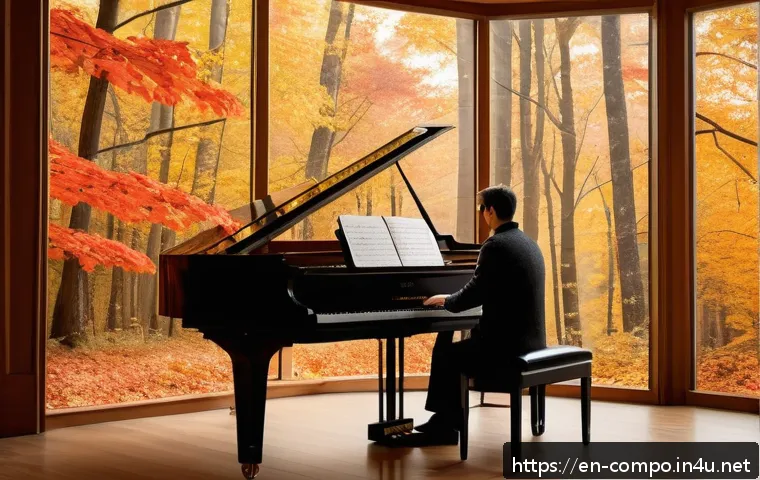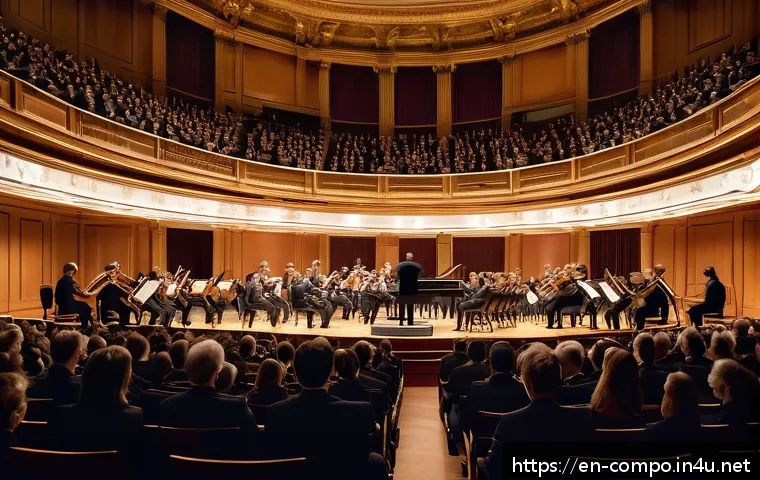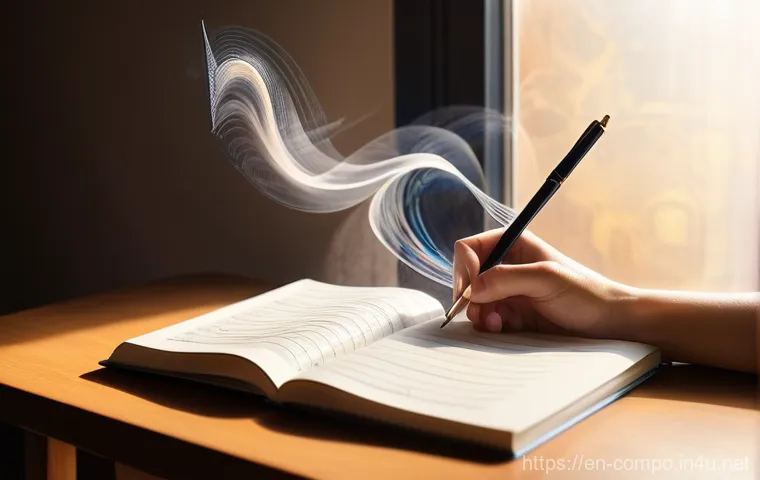
The magic of composition, for me, has always been an endlessly fascinating mystery. It’s more than just notes on a page; it’s the very heartbeat of creativity, the soul laid bare in sound.
As someone who has spent years immersed in the world of music, both creating and appreciating, I’ve personally found that a composer’s journey is a beautiful, sometimes grueling, dance between inspiration and perspiration.
From that initial spark, often fleeting and ethereal, to the painstaking hours of crafting, refining, and sometimes even wrestling with ideas, it’s a deeply personal and transformative process.
In today’s rapidly evolving musical landscape, where technology like AI is both a powerful tool and a challenging new frontier, understanding this human element, the genuine experience behind every melody and harmony, is more crucial than ever.
It’s about how raw emotion translates into structured beauty, how abstract thoughts become tangible auditory experiences, and how a composer navigates the ever-changing tides of trends while staying true to their unique voice.
The journey of bringing a piece of music to life is rich with insights, surprises, and universal lessons about creation itself. Let’s dive deeper into this below.
The Elusive Spark: Catching Creativity’s First Whisper
You know that feeling when an idea just *hits* you? It’s almost like a lightning strike, isn’t it? For me, diving into the world of composition always starts with one of these fleeting moments. It could be a snippet of a melody that pops into my head while I’m doing dishes, or a particular chord progression that resonates during a morning walk. Sometimes it’s even a feeling, an emotion that demands to be expressed through sound, rather than a concrete musical phrase. This initial spark, this almost ethereal whisper of an idea, is the most crucial part of my creative process. It’s like discovering a tiny, perfect seed of sound that holds the potential for a whole musical forest. I’ve personally found that trying to force these moments is a recipe for creative block. Instead, I’ve learned to cultivate an environment where inspiration feels welcome, always having a voice memo app ready or a notepad handy to jot down whatever comes to mind, no matter how unfinished or strange it might seem at first. It’s about being receptive, about opening yourself up to the universe’s little gifts of sound. The most beautiful pieces often emerge from the most unexpected origins, and honoring that initial, delicate impulse is key to nurturing something truly special.
Embracing the Unexpected: Where Ideas Take Root
One of the biggest lessons I’ve learned over the years is that inspiration rarely knocks on your door with a grand announcement. More often than not, it shows up in the quiet moments, during mundane tasks, or right before sleep. I’ve often woken up in the middle of the night with a melody swirling in my head, feeling an urgent need to capture it before it vanishes with the morning light. It’s a rather thrilling and sometimes inconvenient aspect of being a creator! To me, the trick isn’t to wait for a perfect, fully formed idea, but to be ready to catch the smallest fragment and then trust that it can grow. This means keeping my ears and mind open to everything around me – the rhythm of city traffic, the gentle hum of everyday life, or even just the internal cadence of my own thoughts. Every sound, every sensation, has the potential to become the fertile ground for a new musical idea. It truly feels like a treasure hunt, where the treasure isn’t buried gold, but an intangible, beautiful sound waiting to be discovered.
The Art of the “Musical Sketchbook”: Capturing Fleeting Moments
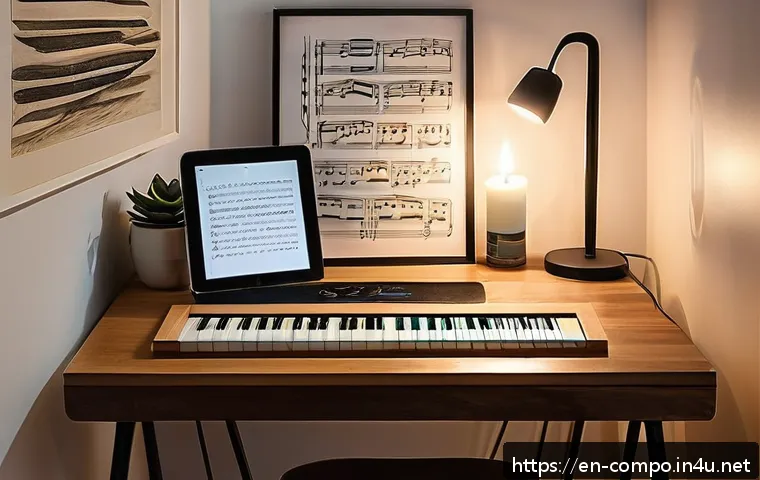
Think of it like a painter’s sketchbook, but for sounds. For me, having a “musical sketchbook” is absolutely essential. This isn’t about perfect recordings or polished demos; it’s about quick, raw captures of ideas before they evaporate. I often use my phone’s voice recorder to hum a melody, or quickly lay down a few chords on a keyboard. The point is to get the idea out of my head and into some tangible form, no matter how crude. I’ve learned the hard way that even the most brilliant idea can be forgotten if not documented promptly. Sometimes, these sketches sit for weeks, months, or even years before I revisit them and realize their full potential. Other times, they immediately ignite a larger creative fire. This practice has saved countless ideas from disappearing into the ether, and I encourage any aspiring composer to adopt a similar habit. It’s not just about capturing notes; it’s about honoring the creative impulse and giving your future self a rich archive of possibilities to explore.
Wrestling with the Canvas: The Craft of Shaping Sound
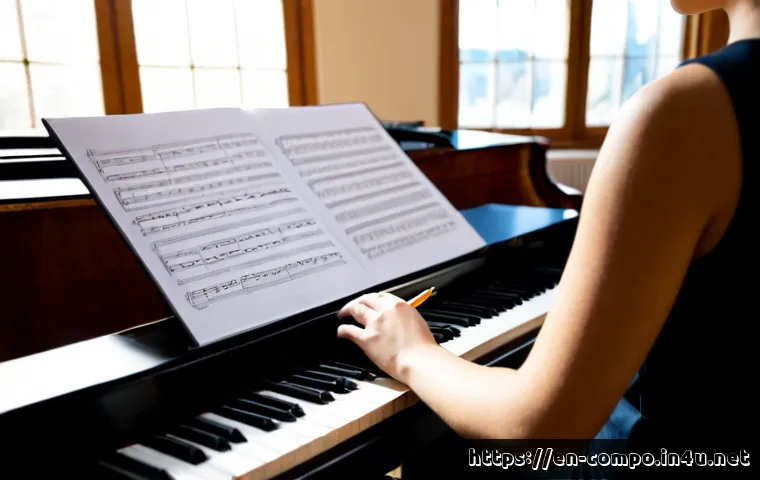
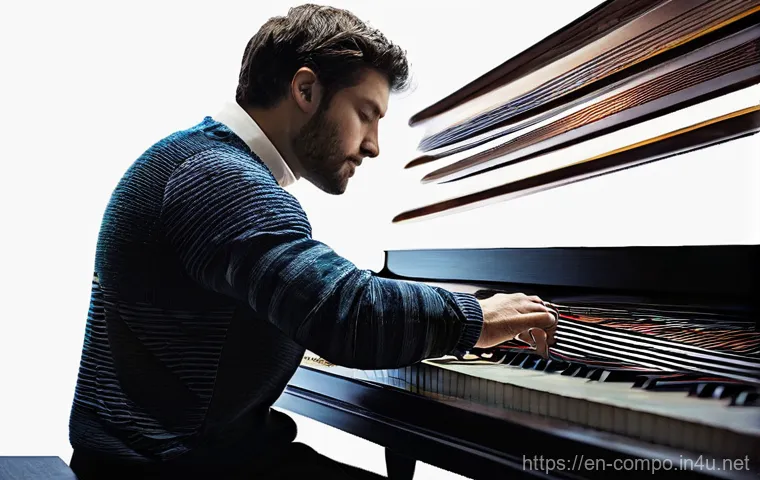
Once that initial spark is caught, the real work begins. It’s rarely a straight line from an idea to a finished piece; more often, it feels like a spirited wrestle with the material. I’ve personally spent countless hours at my piano or in my home studio, taking a simple melodic fragment and trying to stretch it, twist it, harmonize it, and see what it truly wants to become. It’s a process of trial and error, a constant dialogue between what I hear in my head and what actually comes out through my instruments or software. There are moments of sheer frustration when nothing seems to work, and then there are those glorious breakthroughs when a new harmony clicks into place or a rhythm suddenly brings a passage to life. This shaping phase is where the raw emotion and abstract thoughts from the initial spark start to take on a concrete, structured form. It’s where the discipline of craft meets the wildness of creativity, and finding that balance is an art in itself. I find it’s not about imposing my will on the music entirely, but about listening to the music itself and helping it reveal its inherent structure and beauty.
Developing the Musical Narrative: From Theme to Structure
Every piece of music, whether it’s a pop song or a symphony, tells a story. For me, developing this musical narrative is a crucial part of the shaping process. It starts with identifying the core theme or emotional message of the initial idea. What is this melody trying to say? What feeling does this chord progression evoke? Once I have a sense of that, I begin to build around it, much like an author outlines a plot. I think about how the music will unfold, where the climaxes will be, how tension will be built and released, and how the piece will ultimately resolve. This involves experimenting with different forms—perhaps a verse-chorus structure for a song, or a sonata form for an instrumental piece. It’s about creating a journey for the listener, guiding them through various emotional landscapes and sonic environments. I’ve found that having a clear sense of the narrative, even if it’s just a feeling or an abstract concept, helps to keep the composition cohesive and purposeful, preventing it from wandering aimlessly. It’s like sculpting; you start with a block of clay and gradually reveal the form hidden within.
The Iterative Dance: Refine, Revisit, Reimagine
Composing is rarely a one-and-done deal. It’s a deeply iterative process, a continuous loop of creating, evaluating, and refining. I can’t even count the number of times I’ve thought a section was “finished,” only to come back to it the next day with fresh ears and realize it needed significant changes. Sometimes it’s a matter of tweaking a single note or rhythm; other times, it’s realizing an entire section needs to be rewritten or even discarded. This is where patience and persistence truly come into play. It can be hard to let go of ideas you’ve spent hours on, but I’ve learned that true artistic growth often comes from the willingness to be ruthless in service of the best possible outcome. I often step away from a piece for a few days, or even a week, before returning to it. This mental distance allows me to hear it more objectively, almost as if it were someone else’s music. It’s a constant dance of creation and critique, and it’s in this back-and-forth that the piece truly finds its voice and polish.
The Composer’s Inner Ear: Hearing What Isn’t There Yet
One of the most fascinating aspects of composition, for me, is the ability to hear music that doesn’t yet exist. It’s not just about imagining a melody; it’s about conceptualizing layers of harmony, rhythm, texture, and timbre all at once, long before any instrument has played a single note. This “inner ear” is something I’ve actively developed over years of practice and listening. It allows me to mentally construct entire sections of music, orchestrate an imaginary ensemble, and even anticipate how different instruments will blend together. It’s an almost magical faculty that bridges the gap between abstract thought and tangible sound. When I’m working on a piece, I often close my eyes and just listen to what’s unfolding in my mind’s soundscape, trying to capture its essence before translating it into notes on a page or a sequence in a digital audio workstation. This mental rehearsal helps me refine ideas, identify potential issues, and envision the emotional impact long before the actual recording or performance. It’s like having a private, internal concert hall where I can test out every musical idea imaginable.
Visualizing the Sonic Landscape: Textures and Colors
Beyond just hearing notes, my inner ear often perceives music in terms of textures and colors. A string section might evoke a rich, deep crimson, while a bright flute passage could be a vibrant yellow. The interplay of different instruments creates a sonic painting, and I often visualize these colors and textures as I compose. This isn’t just an abstract artistic exercise; it helps me make concrete decisions about instrumentation, dynamics, and articulation. If I want a “darker” sound, I might lean towards lower brass or cellos; if I’m aiming for something “bright” and “sparkling,” I’ll consider flutes, piccolos, or high strings. I’ve personally found that thinking about music in this multi-sensory way adds another dimension to the creative process, allowing me to craft more nuanced and expressive pieces. It’s about understanding how different sonic elements contribute to the overall emotional palette of the composition, making it truly come alive for the listener.
The Internal Score: Constructing Complexities Mentally
When tackling more complex arrangements, my inner ear becomes an internal score, capable of holding multiple melodic lines and harmonic progressions simultaneously. It’s a bit like juggling, but with sounds instead of objects. I can hear how a counter-melody interacts with the main theme, how a bass line supports the harmony, and how percussion patterns drive the rhythm, all without needing to physically play them. This is where years of studying theory, analyzing scores, and simply listening to a vast array of music truly pays off. This internal construction allows for rapid prototyping of ideas. Before committing anything to software or paper, I can often “play through” an entire section in my mind, identifying clashes or finding elegant solutions to harmonic challenges. It’s a skill that requires immense concentration and practice, but it’s an indispensable tool for any composer looking to build intricate and compelling musical worlds.
Navigating the Digital Orchestra: Tools and Temptations
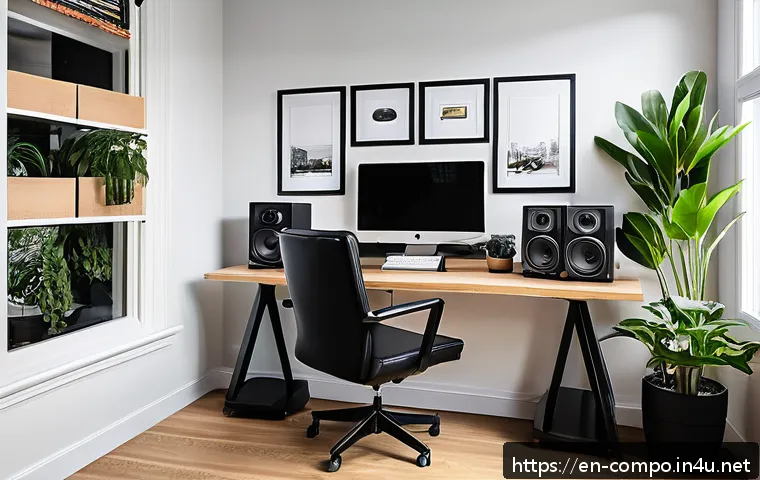
The landscape of music composition has been utterly transformed by technology, and for someone like me who started with traditional instruments, navigating this digital orchestra has been a fascinating journey. While I still adore the tactile feel of a piano, modern Digital Audio Workstations (DAWs) and virtual instruments have opened up a universe of possibilities that were unimaginable just a few decades ago. Suddenly, a single composer in a home studio can command an entire symphony orchestra, explore exotic world instruments, or create sounds that defy traditional categorization. It’s liberating, empowering, and sometimes, a little overwhelming! I’ve personally embraced these tools as extensions of my creative voice, allowing me to bring visions to life that would otherwise require immense resources. However, it’s a double-edged sword; the sheer volume of options can also be a massive distraction, tempting you to endlessly tweak sounds instead of focusing on the core musical ideas. Finding the right balance between leveraging technology and staying true to the human element of composition is a constant challenge, but one that ultimately enriches the creative process.
The DAW as a Creative Hub: Infinite Possibilities
My Digital Audio Workstation is essentially the central nervous system of my modern compositional workflow. It’s where ideas come to be realized, arranged, mixed, and mastered. The power it provides is simply incredible. I can record live instruments, program intricate MIDI sequences, layer countless virtual instruments, and sculpt every sonic detail with surgical precision. It’s like having an entire recording studio, an orchestra, and a sound design laboratory all rolled into one program. This accessibility has democratized music creation, allowing countless aspiring composers to bring their unique sounds to the world without needing massive budgets or professional studios. I often spend hours just experimenting within my DAW, discovering new sounds, effects, and synthesis techniques that inspire entirely new directions for a piece. The possibilities feel truly infinite, constantly pushing the boundaries of what I thought was achievable within my own four walls. It’s a dynamic and exciting space to create, continually evolving with new updates and plugins.
Beyond the Presets: Crafting Your Unique Digital Sound
While the vast libraries of virtual instruments and presets are incredibly convenient, I’ve personally found that truly distinctive music often comes from moving beyond the out-of-the-box sounds. It’s easy to fall into the trap of just using what’s readily available, but to establish a unique sonic identity, you really need to delve deeper. This means learning how to manipulate synthesizers, experiment with effects chains, layer different sounds, and even record your own custom samples. I spend a considerable amount of time sound designing, twisting knobs, and shaping waveforms until I get a sound that feels truly original and specific to the emotion I’m trying to convey. It’s a meticulous process, but it pays off by giving my music a signature quality that stands out from the crowd. Think of it like a chef not just using pre-made ingredients, but carefully sourcing and preparing each component to create a truly gourmet experience. This dedication to crafting unique sounds ensures my digital orchestra plays with a voice that is distinctly mine.
Finding Your Sonic Fingerprint: Authenticity in a Noisy World

In a world saturated with music from every corner of the globe, finding your unique sonic fingerprint is more vital than ever. It’s not about chasing trends or trying to replicate what’s popular; it’s about digging deep within yourself and discovering what truly makes your voice distinct. For years, I struggled with this, trying to emulate composers I admired, only to find my music lacking genuine conviction. It wasn’t until I stopped trying to be someone else and started listening to my own inner musical compass that things truly began to click. Your sonic fingerprint is that combination of influences, personal experiences, emotional expressions, and technical choices that makes your music unmistakably *yours*. It’s a journey of self-discovery, and frankly, it never truly ends. I’ve personally found that the more vulnerable and honest I am in my compositions, the more resonant they become, not just for me, but for listeners who connect with that authenticity. It’s about daring to be different, to embrace your quirks, and to trust that your unique perspective has value.
The Unseen Threads: Weaving Influences into Originality
Every composer is a product of their influences, and denying that is counterproductive. The trick isn’t to pretend they don’t exist, but to understand how to weave those unseen threads into something entirely new. I’ve personally drawn inspiration from jazz, classical, electronic music, and even natural sounds. Instead of copying a specific melody or harmonic progression, I try to internalize the *feeling* or the *method* behind what I admire. For example, I might love the rhythmic complexity of a certain jazz piece, and I’ll then explore how I can apply similar polyrhythmic ideas to a completely different melodic context. It’s about deconstructing what moves you and then reconstructing it through the lens of your own experience and aesthetic. This process of intentional absorption and transformation is what allows influences to become building blocks for originality, rather than mere imitation. It’s a constant learning experience, where every new piece of music you encounter has the potential to subtly shape your evolving voice.
Beyond Genre: Embracing Your Eclectic Palette
One of the traps I see many aspiring composers fall into is feeling the need to strictly adhere to a single genre. While genre can provide a useful framework, it can also become a cage that stifles true creativity. My own musical journey has been incredibly eclectic, spanning various styles and sounds, and I’ve learned to embrace this diversity as a core part of my sonic fingerprint. I don’t set out to write a “classical” piece or an “electronic” piece; I set out to write *my* piece, letting the ideas dictate the stylistic choices. This might mean incorporating ambient textures into a traditionally structured orchestral work, or infusing a pop song with complex harmonies. It’s about using the entire spectrum of musical tools available to you, rather than limiting yourself to a narrow subset. I’ve personally found that some of my most exciting and unique compositions have come from blurring genre lines and allowing disparate musical worlds to collide in unexpected ways. This fearlessness in exploration is what truly unlocks an authentic and engaging musical voice.
Beyond the Score: The Emotional Resonance of Music
For all the technical skill, the careful orchestration, and the painstaking hours spent crafting every note, the true magic of composition lies beyond the score itself – it’s in the emotional resonance that music creates. It’s that feeling when a particular melody brings tears to your eyes, or a driving rhythm makes you want to dance. This emotional connection is, for me, the ultimate goal of any piece I create. I’ve personally experienced the profound impact music can have, both as a listener and as a creator, and it’s a powerful reminder of why we do what we do. It’s not just about sound waves; it’s about translating human experience, joy, sorrow, hope, and despair, into a language that transcends words. When someone tells me my music touched them, or helped them through a difficult time, that’s truly the highest praise I could ever receive. It reminds me that composing is not just a craft; it’s an act of communication, a bridge between souls that can convey the deepest and most ineffable parts of our shared humanity. This is where the magic truly unfolds, far beyond the confines of a sheet of music.
Crafting Sonic Empathy: Connecting Through Sound
How do you craft empathy with sound? It’s a question I often ponder, and it lies at the heart of effective composition. For me, it starts with tapping into my own emotions and experiences. What am I trying to express? What do I want the listener to *feel*? Then, it’s about translating those internal states into musical parameters – choosing the right key, the appropriate tempo, the expressive dynamics, and the specific instrumental colors that will evoke that particular emotion. A slow tempo and minor key often convey sadness, but it’s the subtle nuances of articulation, the careful placement of rests, or a soaring melodic line that can transform mere melancholy into profound sonic empathy. I’ve personally found that the more genuinely I connect with my own feelings during the composition process, the more likely the music is to resonate deeply with others. It’s about being vulnerable in your creative work, putting a piece of your soul into every note, and trusting that others will recognize and respond to that authentic human core. This is where music becomes more than just entertainment; it becomes a shared emotional journey.
The Universal Language: Bridging Cultures and Experiences
One of the most incredible aspects of music is its ability to act as a universal language. It transcends cultural barriers, linguistic differences, and personal backgrounds in a way that few other art forms can. I’ve seen how a piece of music, even without words, can evoke the same fundamental emotions in people from vastly different walks of life. A powerful crescendo can signify triumph for anyone, regardless of where they were born; a gentle lullaby can bring comfort across continents. This universality is something I constantly keep in mind when composing. While I imbue my music with my own experiences, I also strive for an underlying resonance that speaks to shared human experiences. It’s a powerful testament to our common humanity, and being a part of that communication is a profound privilege. The challenge, and the joy, is in finding those sonic archetypes and emotional triggers that speak to a collective unconscious, allowing my music to bridge gaps and create connections that words simply cannot.
The Unseen Audience: Connecting Through Sound
When I’m alone in my studio, lost in the intricate world of notes and rhythms, it’s easy to forget that the music I’m creating is ultimately meant for an unseen audience. Yet, this connection, this eventual sharing of my sonic world with others, is a huge part of what drives me. It’s a fascinating dynamic: the intensely personal act of creation eventually blossoms into a public experience. I often imagine listeners encountering my music for the first time, wondering what thoughts it might spark, what emotions it might stir within them. It’s a silent conversation, a dialogue conducted entirely through sound. This consideration for the audience isn’t about compromising my artistic vision, but rather about refining it, ensuring that the message I intend to convey is clear and impactful. I’ve personally learned that even in the most experimental pieces, there’s an inherent desire for connection, a hope that someone out there will resonate with the sounds I’ve carefully crafted. It’s like sending a message in a bottle out to sea, hoping it reaches distant shores and finds a receptive heart. This eventual connection gives purpose and meaning to all the solitary hours of creation.
The Listener’s Journey: Crafting an Immersive Experience
When I compose, I’m not just thinking about notes; I’m thinking about the listener’s journey. How will they experience this piece from start to finish? Will it captivate them from the opening phrase? Will it hold their attention through its various movements? Will it leave a lasting impression long after the final note fades? Crafting an immersive experience involves more than just beautiful melodies; it’s about pacing, dynamics, textural contrasts, and emotional arcs. I try to envision the listener moving through the soundscape I’ve created, guiding them through moments of tension and release, tranquility and turbulence. It’s about building a world for them to inhabit, even if just for a few minutes. I’ve personally found that paying attention to these aspects elevates a piece from merely being “pleasant” to being truly engaging and memorable. It’s about respecting the listener’s time and attention, and giving them something genuinely compelling to sink their ears into, ensuring they want to stay for the entire ride.
The Silent Dialogue: Feedback and Growth
Even though much of the audience interaction is “unseen,” the feedback, whether direct or indirect, plays a vital role in my growth as a composer. While I don’t compose *for* feedback, listening to how people react to my music, understanding what resonates and what perhaps falls flat, offers invaluable insights. Sometimes it’s a kind word from a friend, other times it’s a thoughtful review, or simply observing how a piece is received online. I’ve personally had moments where a listener’s interpretation of my music uncovered a meaning I hadn’t consciously intended, which is always a fascinating and humbling experience. This silent dialogue, this continuous loop of creation, sharing, and receiving, helps me to refine my craft, push my boundaries, and better understand the impact of my work. It’s a reminder that art isn’t just a solitary act, but a conversation that spans time and space, constantly evolving with each new listener who experiences it. It’s a beautiful testament to the power of shared human connection through the universal language of music.
| Aspect of Composition | Traditional Approach (My Early Experience) | Modern Digital Approach (My Current Workflow) |
|---|---|---|
| Idea Capture | Notebook, physical instrument practice | Voice memos, MIDI sketches in DAW, quick software notation |
| Instrumentation | Limited to available musicians/instruments | Virtually unlimited virtual instruments, sound design, samples |
| Orchestration | Mental imagination, detailed score writing for human players | Real-time auditioning of virtual instruments, drag-and-drop arrangement |
| Revision Process | Manual rewriting of scores, rehearsal with musicians | Non-destructive editing, immediate playback, version control in DAW |
| Sound Palette | Acoustic instruments, limited effects | Infinite sonic textures, synthesis, complex digital effects |
| Distribution | Physical recordings, live performances | Online platforms, streaming services, digital releases |
Wrapping Things Up
And there we have it, folks! What a journey it is to bring a musical idea from that initial, elusive spark to a fully formed piece. It’s a continuous dance between inspiration and perspiration, a balance of intuition and disciplined craft. Reflecting on this process, I truly feel that every step, from the silent whispers of an idea in my inner ear to wrestling with the digital orchestra, is profoundly rewarding. It’s not just about creating sounds; it’s about connecting with something deeper, both within ourselves and with an unseen audience. I hope my reflections give you a little peek behind the curtain of composition and maybe even inspire your own creative adventures!
Useful Info You’ll Want to Know
1. Don’t be afraid to experiment with different genres. I’ve personally found that blending unexpected styles often leads to the most unique and exciting results. It helps you develop a distinct voice that truly stands out in today’s diverse musical landscape.
2. Consistency is key in your creative practice. I try to set aside a specific time each day to work on music, even if it’s just for 15 minutes. It’s amazing how much progress you can make over time when you build a regular habit, preventing writer’s block and keeping that creative momentum going.
3. Actively listen to a wide range of composers, not just those in your preferred style. I mean, really *listen* – with the score if possible – to understand their techniques, harmonies, and how they build their musical narratives. This has been a game-changer for my own learning and growth.
4. Learn music theory, but don’t let it stifle your creativity. Think of it as a robust toolbox; the more tools you have, the more freedom you have to build something truly innovative. I’ve found it gives me a solid foundation to understand *why* certain sounds work and how to intentionally create emotional impact.
5. Embrace your Digital Audio Workstation (DAW) and learn it inside and out. It’s more than just recording software; it’s an entire creative ecosystem. The more proficient you become, the smoother your workflow will be, allowing you to focus on the music rather than battling the technology.
Key Takeaways
For me, the heart of composition lies in embracing both the initial, often unexpected, spark of an idea and the disciplined, iterative process of shaping that idea into something tangible. It’s about constantly honing your “inner ear” to hear what isn’t there yet, and leveraging modern digital tools to bring those visions to life while still maintaining your authentic sonic fingerprint. Ultimately, it’s the emotional resonance that truly matters, creating a connection that transcends notes and rhythms, and building a silent dialogue with your audience through the universal language of music. Keep creating, keep exploring, and most importantly, keep sharing your unique sound with the world!
Frequently Asked Questions (FAQ) 📖
Q: In a world buzzing with
A: I tools, how do you, as a composer, find and protect that initial spark of truly human inspiration? A1: Oh, this is a question that hits home for so many of us creatives today!
It’s true, AI can generate impressive sonic landscapes, but that raw, gut-level spark? That’s our secret weapon. For me, it’s rarely about sitting down and forcing it.
It’s more about being open to the world around me. I often find inspiration in the most unexpected places – the rhythm of city traffic, a whispered conversation on a park bench, or even just the way light catches a raindrop.
I keep a small notebook, or just my phone’s voice recorder, almost pathologically close, ready to jot down a melody fragment, a lyrical idea, or even just a feeling.
It’s about cultivating a deep sense of presence, almost like a hunter for beauty, constantly observing and feeling. And honestly, sometimes the best way to protect that human spark is to step away from the screens, go for a long walk, listen to the silence, or immerse myself in art forms completely unrelated to music.
That’s when the subconscious often stitches together something truly unique, something that no algorithm could ever fully replicate because it’s born from my lived experience, my emotional landscape.
Q: What’s your personal process like when you hit a major creative block, and how do you push through to refine your compositions?
A: Ah, the dreaded creative block! Every composer I know has danced with this particular demon. When I hit one, it honestly feels like running into a brick wall at full speed.
My immediate reaction used to be frustration, trying to force it, which only made things worse. What I’ve learned over the years is that a block isn’t a dead end; it’s often just a sign that I need a different approach.
My go-to strategy now is to completely step away for a bit. Sometimes that means a change of scenery – a coffee shop, a hike, or even just working on a different project entirely.
I’ll listen to music completely outside my genre, read a book, or even just cook something elaborate. When I come back, usually with fresh eyes (and ears!), I’ll try to look at the piece from a new angle.
What if I changed the instrumentation? What if the tempo was completely different? Or even, what if I flipped the melody upside down?
Sometimes, it’s about breaking down the problem into smaller parts – focusing on just the rhythm for a while, or just one harmony. And crucially, I’ve learned to embrace the imperfect first draft.
It doesn’t have to be perfect; it just has to exist. The refinement, the painstaking polishing, comes later, once the raw material is there. It’s a process of chipping away, adding, subtracting, and sometimes even throwing parts out and starting fresh, but it’s always about serving the emotional core of the piece.
Q: With
A: I becoming more integrated into music creation, how do you see composers maintaining their unique artistic voice and ensuring their work stands out? A3: This is probably the most talked-about topic in composer circles right now, and for good reason!
AI is undeniably a powerful tool, capable of incredible things. But here’s the thing: while AI can mimic, analyze, and even generate, it doesn’t feel.
It doesn’t have the lived experience, the heartbreak, the joy, the unique blend of memories and perspectives that make each human artist truly individual.
So, to maintain our unique voice, I believe it’s more important than ever to lean into those deeply human elements. It means digging deeper into our personal stories, our vulnerabilities, and what makes us us.
It’s about infusing our compositions with genuine emotion and the subtle nuances that only a human can truly express. Think of it like a conversation; AI can give you a perfectly grammatically correct sentence, but a human can give you a knowing glance, a perfectly timed pause, or a laugh that conveys so much more.
For composers, this means developing a strong signature style, a sound that is unmistakably yours. It might be a specific harmonic language, a unique rhythmic sensibility, or a particular way of building tension and release.
AI can be a collaborator, helping with tedious tasks or offering new ideas, but the ultimate artistic decisions, the emotional weight, the soul of the music – that remains firmly in our human hands.
It’s about using AI as a brush, not letting it paint the entire canvas for you.