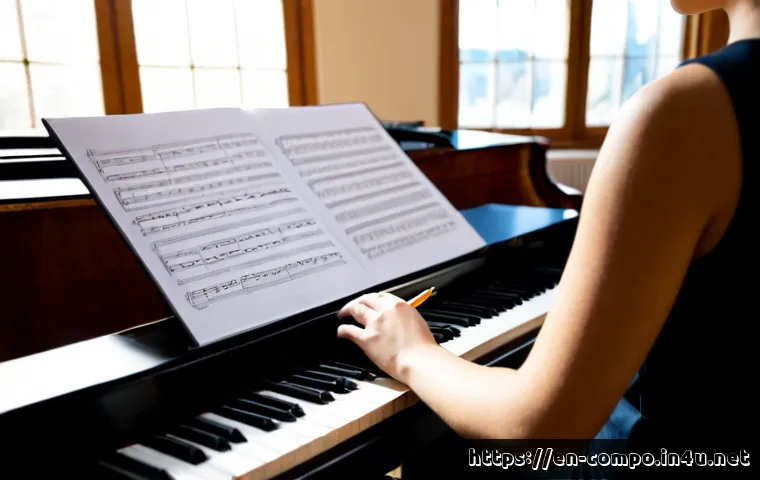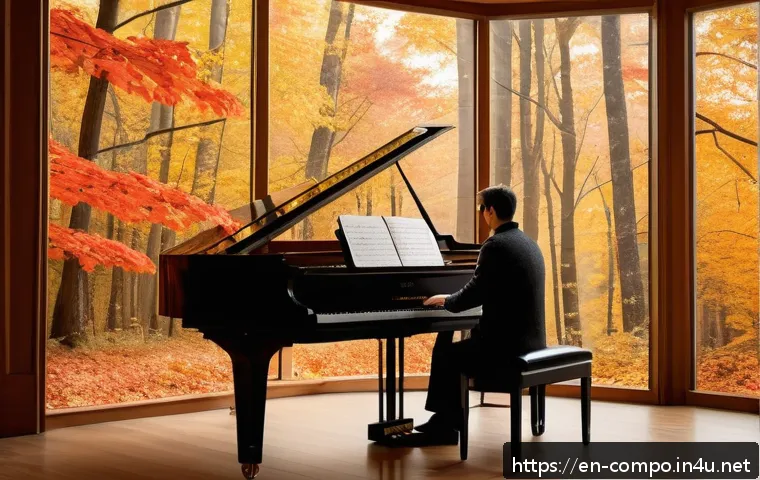
In today’s fast-paced world, where creativity often feels fleeting, understanding where a composer’s musical inspiration originates has become more fascinating than ever.

As music continues to evolve with technology and cultural shifts, uncovering the spark behind those unforgettable melodies offers a unique glimpse into the creative mind.
Whether you’re a musician, a fan, or simply curious, exploring these hidden sources of inspiration can deepen your appreciation for the art. Let’s dive into the mysterious journey of how creativity truly begins for composers, revealing insights that might just inspire your own creative path.
The Role of Personal Experiences in Shaping Musical Ideas
Life Events as Catalysts for Composition
Many composers find that their most profound pieces emerge directly from significant moments in their lives. Whether it’s the joy of a new love, the pain of loss, or the excitement of travel, these experiences provide raw emotional material that fuels creative expression.
For instance, I once spoke with a composer who wrote a haunting melody after visiting a war memorial; the silence and solemnity deeply influenced his harmonic choices.
This connection between life’s highs and lows and musical output makes compositions resonate authentically with listeners.
Memories as a Source of Melodic Themes
Memories often act like a soundtrack to our past, and composers frequently tap into these to inspire their work. Nostalgia can evoke a particular mood or atmosphere that translates into musical motifs.
Some artists keep journals or voice memos of fleeting thoughts or melodies that remind them of places or moments. From my own experience, recalling childhood sounds or family gatherings has sometimes sparked a melody that later evolved into a full composition, making the creative process feel deeply personal.
Emotional States Driving Musical Direction
The emotional state of a composer can significantly influence the mood and style of their music. When feeling joyful, their pieces might burst with energetic rhythms and bright harmonies; during melancholy phases, compositions tend to become slower and more introspective.
I’ve noticed that embracing one’s emotions without restraint often leads to the most compelling music, as it allows authenticity to shine through. This emotional honesty can create a powerful connection between the artist and the audience.
Nature and Environment as a Well of Inspiration
Sounds of Nature Inspiring Rhythms and Textures
Many composers have drawn inspiration from the natural world—birdsong, flowing water, or rustling leaves can all spark rhythmic patterns or textural ideas.
I recall a composer describing how the sound of rain tapping on a windowpane led her to experiment with percussive piano techniques. By mimicking or interpreting these natural sounds, composers create pieces that feel organic and vivid, transporting listeners to the environments that inspired them.
Visual Landscapes Influencing Musical Imagery
The visual beauty of a landscape can inspire a composer to paint sonic pictures. Mountains, oceans, or cityscapes often evoke certain moods or narratives that translate into musical themes.
For example, the vastness of a desert might inspire sparse, spacious arrangements, while a bustling city could lead to complex, layered textures. I’ve personally found that taking walks in varied environments stimulates my imagination and encourages new melodic or harmonic ideas to surface.
Changing Seasons and Their Emotional Impact
Seasons bring distinct atmospheres and emotions that can deeply influence musical creation. The freshness of spring, the warmth of summer, the melancholy of autumn, and the stillness of winter each provide unique moods.
Composers often reflect these feelings through tempo, instrumentation, and harmonic language. Experiencing these seasonal shifts firsthand can help musicians connect more deeply with their work, as the cyclical nature of seasons mirrors human emotions and life changes.
The Influence of Cultural Heritage and Traditions
Incorporating Folk and Traditional Elements
Composers frequently tap into their cultural roots by integrating folk melodies, rhythms, or instruments into their music. This not only honors their heritage but also brings distinctive flavors that set their work apart.
I remember attending a concert where the composer fused traditional African drumming patterns with classical orchestration, resulting in a vibrant and fresh sound.
This blending of old and new creates a bridge between generations and cultures.
Language and Poetry as Musical Fuel
Language and poetry often serve as direct inspiration for melodic and rhythmic ideas. The cadence and emotion of spoken words can guide phrasing and dynamics in music.
Some composers start with a poem or text, letting its mood shape the composition’s trajectory. From my conversations with songwriters, the natural rhythm of their mother tongue profoundly influences their melodic contours and vocal lines, adding authenticity and expressiveness.
Religious and Spiritual Practices as Creative Anchors
Religious rituals, chants, and spiritual beliefs have historically provided rich material for composers. The solemnity of a chant or the exuberance of a hymn can inspire themes and structures in new compositions.
I’ve encountered artists who find solace and creative energy in their spiritual practices, which in turn infuse their music with depth and transcendence.
This connection often results in music that feels both personal and universal.
The Impact of Technology and Modern Tools on Inspiration
Experimenting with Digital Soundscapes
With the rise of digital audio workstations and virtual instruments, composers now have unprecedented access to a vast sonic palette. This technological freedom allows for experimentation that can spark entirely new ideas.
I’ve personally spent hours layering unexpected sounds—like synthesized drones with organic percussion—and discovered melodies I never would have conceived otherwise.
Technology acts as a playground that pushes creative boundaries.
Collaborative Platforms Expanding Creative Horizons
Online collaboration tools have transformed how composers find inspiration by connecting with other musicians worldwide. Exchanging ideas or remote jamming sessions often lead to unexpected directions.
I’ve experienced projects where a simple shared melody evolved into a complex piece after multiple contributors added their cultural and stylistic influences.

This global connectivity enriches the creative process and broadens musical perspectives.
Sampling and Remixing as Creative Reinterpretation
Sampling existing recordings and remixing them offers a way to reimagine familiar sounds in new contexts. This approach can inspire fresh compositions by blending genres or eras.
I recall remixing a classic jazz track with electronic beats, which opened up novel rhythmic and harmonic possibilities. This method demonstrates that inspiration can come not only from original ideas but also from reinventing the past.
Psychological and Cognitive Factors Behind Musical Creativity
The Role of Mindfulness and Flow States
Achieving a flow state—a mental zone where time seems to disappear and creativity flows effortlessly—is crucial for many composers. Practices like meditation or focused breathing can help reach this state.
I’ve found that when I quiet external distractions and focus deeply, melodies and harmonies emerge almost naturally, as if from another realm. This psychological aspect highlights how inner mental conditions greatly affect creative output.
Dreams as a Source of Unconscious Inspiration
Dreams often reveal unexpected musical ideas since the brain processes information creatively during sleep. Some composers keep recording devices by their beds to capture melodies or rhythms that surface in dreams.
I once had a vivid dream featuring a haunting tune that later became the foundation of a piece I completed weeks afterward. This unconscious inspiration taps into a different layer of creativity beyond waking thought.
Overcoming Creative Blocks through Routine and Discipline
While inspiration can strike spontaneously, many composers emphasize the importance of routine and discipline to sustain creativity. Setting aside regular time for composition, even when ideas don’t immediately flow, often leads to breakthroughs.
From my observations, pushing through moments of frustration can reveal hidden gems. This balance between structure and spontaneity is key to maintaining a productive creative life.
Social Interactions and Their Effect on Musical Ideas
Influence of Peer Feedback and Criticism
Interacting with fellow musicians and receiving constructive feedback can refine and expand a composer’s ideas. Honest critique challenges assumptions and encourages exploration of new directions.
I remember joining a composer’s circle where sharing drafts led to insights I hadn’t considered, enriching the final work. This social exchange nurtures growth and prevents creative stagnation.
Live Performances as Inspiration for Composition
Experiencing live music—whether performing or attending—can spark fresh inspiration. The energy of an audience and the spontaneity of live interaction often influence a composer’s approach.
I’ve felt that after attending concerts, I return to my studio with renewed enthusiasm and new ideas for rhythm or instrumentation. This dynamic environment contrasts with isolated composing and brings a different kind of creative fuel.
Storytelling and Collaboration with Other Art Forms
Collaborating with dancers, visual artists, or filmmakers introduces new narrative elements that shape musical creation. This multidisciplinary approach offers fresh perspectives and challenges composers to think beyond traditional structures.
I’ve worked on projects where the visual art inspired particular textures or moods in the music, resulting in a richer and more immersive experience. Such collaborations often open doors to unexplored creative territories.
| Source of Inspiration | Typical Influence on Music | Example or Impact |
|---|---|---|
| Personal Experiences | Emotional depth, authentic themes | Composing after life events like loss or joy |
| Nature and Environment | Rhythmic patterns, textures, mood | Imitating sounds like rain or bird calls |
| Cultural Heritage | Melodic motifs, instrumentation | Incorporating folk rhythms or traditional chants |
| Technology | Sound experimentation, collaboration | Using digital tools or online platforms |
| Psychological Factors | Flow states, unconscious ideas | Composing inspired by dreams or meditation |
| Social Interaction | Feedback, live energy, cross-arts inspiration | Collaborating with artists or attending concerts |
In Conclusion
Personal experiences, environment, culture, technology, psychology, and social interactions all play vital roles in shaping musical creativity. Each source brings unique inspiration, enriching compositions with authenticity and depth. Understanding these influences helps us appreciate the diverse ways music connects with life. Embracing this variety can empower composers to explore new creative paths.
Helpful Information to Know
1. Life events often spark deep emotional themes that make music resonate more authentically with audiences.
2. Natural sounds and landscapes provide rich textures and rhythms that composers can incorporate into their work.
3. Cultural heritage adds distinctive melodic and instrumental flavors, blending tradition with innovation.
4. Modern technology expands creative possibilities through digital tools and global collaboration.
5. Psychological states like flow and dreams, as well as social feedback, play crucial roles in sustaining and enhancing musical creativity.
Key Takeaways
Creativity in music thrives at the intersection of personal emotion, environmental stimuli, and cultural background. Technology and social connections further broaden artistic horizons, while mindful practices and discipline help overcome creative challenges. Recognizing these factors encourages a holistic approach to composition, fostering originality and meaningful expression.
Frequently Asked Questions (FAQ) 📖
Q: Where do composers typically find their musical inspiration?
A: Composers often draw inspiration from a variety of sources—personal experiences, nature, emotions, and even everyday sounds. For instance, a walk in the park might spark a melody, or a heartfelt conversation could ignite a lyrical idea.
Some find motivation in cultural traditions or historical events, while others are inspired by technology and contemporary life. It’s this blend of the familiar and the unexpected that fuels creativity and helps composers craft unique pieces.
Q: How does technology influence a composer’s creative process today?
A: Technology has transformed the way composers create music, opening up new possibilities for experimentation and collaboration. Digital audio workstations, virtual instruments, and AI tools allow composers to explore sounds that were once impossible to produce.
From my own experience, using software to layer complex harmonies or tweak subtle nuances has made the creative process more dynamic and accessible. However, technology is just a tool—the true inspiration still comes from the composer’s imagination and emotional connection to their work.
Q: Can understanding a composer’s inspiration help aspiring musicians with their own creativity?
A: Absolutely. Learning about where inspiration comes from can demystify the creative process and encourage musicians to explore their own sources of motivation.
When you realize that even famous composers struggle with blocks or find ideas in everyday moments, it makes creativity feel more attainable. Personally, knowing that inspiration can come from something as simple as a rainy day sound or a personal memory has helped me stay open and curious, which is essential for growth as a musician.