In today’s fast-paced music industry, staying creatively inspired while maintaining a smooth workflow can feel like a constant challenge. With new tools and trends reshaping how artists compose, finding strategies to keep your creative flow uninterrupted is more important than ever.
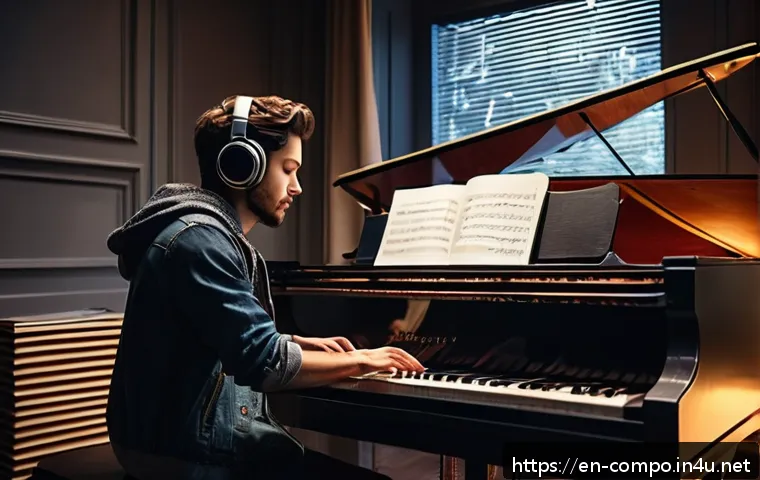
Whether you’re a seasoned composer or just starting out, discovering proven methods to enhance your workflow can transform your music-making process. Let’s dive into effective approaches that not only boost productivity but also keep your artistic spark alive, ensuring your compositions never lose their magic.
Stick around—you’ll find tips that could change the way you create forever.
Mastering the Art of Time Management for Composers
Prioritizing Tasks Without Killing Creativity
When you’re juggling multiple projects or ideas, it’s easy to get overwhelmed by the sheer volume of tasks. What I’ve found super helpful is breaking down big projects into bite-sized chunks and ranking them by urgency and creative energy required.
For instance, I’ll tackle rough sketches or brainstorming sessions during my peak focus hours and save more technical editing for later when my brain needs a breather.
This approach keeps the workflow fluid without stifling spontaneity. Instead of forcing yourself to check off an endless to-do list, try scheduling your creative tasks based on when you feel most inspired.
You’ll notice your ideas flow more naturally, and the pressure to produce instantly diminishes.
Using Time Blocks to Avoid Burnout
Sitting in front of a screen or piano for hours without a break doesn’t work for anyone. Over time, I realized that dividing my day into focused time blocks—say, 50 minutes of work followed by 10 minutes of rest—actually boosts my productivity.
These short breaks allow my mind to reset, preventing creative fatigue. Plus, during those breaks, I often find myself brainstorming new ideas subconsciously.
Don’t underestimate the power of stepping away for a moment. It’s not wasted time; it’s essential mental maintenance. Tools like Pomodoro timers or simple alarms can help maintain this rhythm, so you don’t lose track or push yourself too hard.
Automating Repetitive Tasks to Save Mental Energy
There’s nothing more draining than doing the same routine tasks over and over—like file organization, track labeling, or backing up projects. Automating these with software or scripts can free up precious brain space for actual creativity.
I personally set up templates for my DAW sessions and use batch processing for audio exports, which saves me tons of time every week. Even simple shortcuts for frequently used plugins or effects chains can shave off minutes here and there, which add up significantly over time.
The key is to identify these low-impact but time-consuming chores and find ways to streamline them. This way, you preserve your energy for what really matters: making music.
Creating a Creative Environment That Inspires
Designing Your Workspace for Maximum Focus
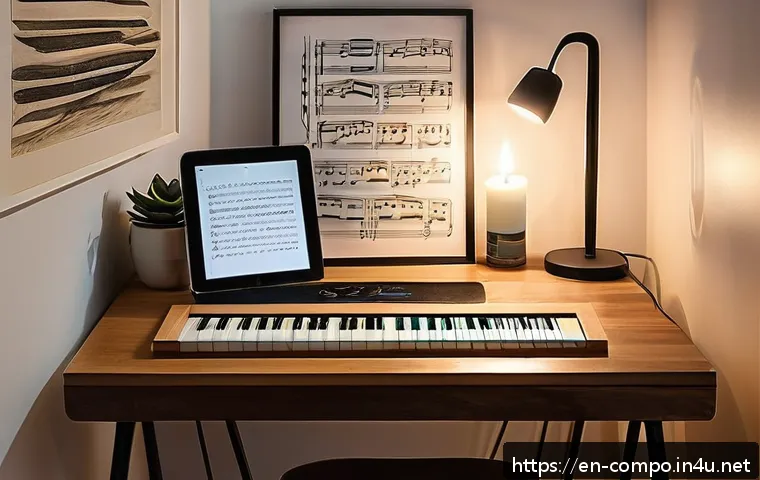
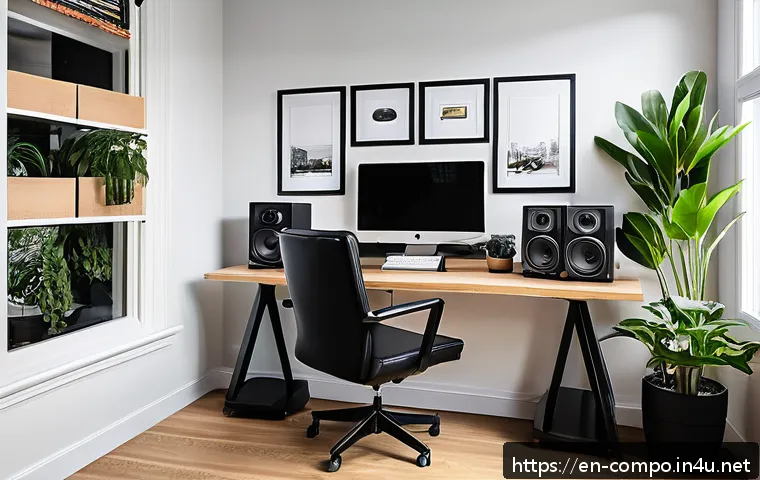
Your physical environment plays a huge role in how easily you dive into the creative zone. I’ve experimented a lot with my workspace setup and found that minimal clutter, good lighting, and comfortable seating are absolute game-changers.
Having a dedicated spot for music-making that’s separate from other distractions helps mentally signal “it’s time to create.” Adding personal touches like plants, artwork, or even a whiteboard for quick idea jotting keeps the space inviting and stimulating.
Ergonomics shouldn’t be overlooked either; if your chair or desk setup causes discomfort, it’ll sabotage your focus faster than you realize.
Leveraging Ambient Sounds and Music to Spark Ideas
Sometimes silence can be intimidating, especially when you’re waiting for inspiration to hit. I often use ambient sounds or instrumental playlists as a backdrop to keep my creative juices flowing.
Nature sounds, soft jazz, or even white noise can fill that gap and reduce the pressure of “starting from nothing.” There’s something about gentle background music that helps ideas surface more organically.
If you’re stuck on a melody or chord progression, switching up your auditory environment can offer fresh perspectives. Don’t underestimate how subtle sensory changes can influence your mood and output.
Keeping Inspiration Close Through Visual Aids
Visual stimuli can be just as powerful as sound in keeping your creativity alive. I like to keep mood boards or photos of memorable moments, album covers, or even lyric snippets pinned around my workspace.
Whenever I feel stuck, glancing at these reminders often reignites my passion or points me toward a new direction. This tactile interaction with inspiration feels more tangible than scrolling through playlists or digital notes.
Experiment with different visual cues that resonate with your style and creative goals. It’s a small habit but one that constantly feeds your artistic brain.
Harnessing Technology to Enhance Workflow Efficiency
Choosing the Right Digital Audio Workstation (DAW) for Your Style
With so many DAWs out there, picking the perfect one can feel overwhelming, but it’s crucial for workflow harmony. I switched between a few before settling on one that felt intuitive and matched my production style.
Some DAWs excel at electronic music, others cater better to live recordings or orchestral compositions. The key is to invest time learning your chosen platform deeply—knowing shortcuts, plugin integrations, and automation features inside out saves so much time down the road.
Don’t hesitate to try free trials or watch tutorials before committing. The right DAW becomes an extension of your creative process rather than a hurdle.
Integrating Plugins and Tools That Complement Your Workflow
Plugins are like spices in cooking—they can elevate your sound but can also overwhelm if misused. I recommend curating a selection of plugins that you genuinely enjoy and understand, rather than hoarding every new release.
For example, having a go-to compressor, reverb, and synth that you trust lets you work faster and with confidence. Some plugins also offer presets or AI-assisted features that speed up sound design or mixing, which is a blessing when on a deadline.
Experiment with different tools but always prioritize those that enhance rather than complicate your process.
Collaborative Platforms for Seamless Remote Work
Remote collaboration has become a standard part of music production, and using the right platforms can make or break the experience. Services like Splice, Soundtrap, or even cloud storage solutions allow you to share stems, project files, and ideas effortlessly.
I’ve worked with artists across continents, and these tools ensure we stay synced without the headache of incompatible software versions or lost files.
They also offer version control, so you can track changes or revert if something doesn’t work. Learning to communicate effectively through these platforms—leaving clear notes, feedback, and timelines—maximizes productivity and keeps creativity intact.
Balancing Routine and Spontaneity to Avoid Creative Stagnation
Establishing Rituals That Signal Creative Time
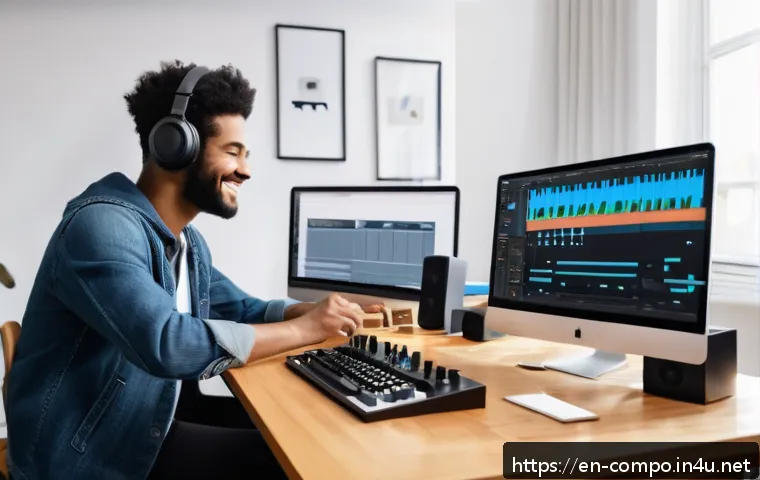
Rituals, no matter how small, can put your brain in the right state for composing. For me, this might be brewing a cup of coffee, dimming the lights, or doing a quick warm-up on my keyboard.
These actions become cues that it’s time to focus, making the transition from daily distractions to creative work smoother. Over time, these rituals condition your mind to expect and embrace creativity during those moments.
It’s like training your brain to flip a switch, and once it’s wired, it becomes easier to enter flow states regularly.
Allowing Room for Spontaneous Experimentation
While routines are great for discipline, too much rigidity can kill originality. I try to set aside “free play” sessions where there are no goals or expectations—just messing around with sounds, instruments, or new techniques.
These moments often lead to the most surprising and exciting ideas. Sometimes I stumble on a melody or rhythm that wouldn’t have emerged under pressure.
Giving yourself permission to explore without judgment is essential for growth. It also keeps your process fresh and prevents burnout from repetitive work habits.
Reflecting and Resetting to Stay Inspired
Taking time to step back and review your work can reveal patterns, strengths, and areas to improve. I often schedule weekly or monthly reflection sessions where I listen critically to what I’ve created, note down ideas for future projects, and set new challenges.
This habit helps me stay engaged and avoid complacency. It’s also a chance to reset mentally—if something isn’t working, I can pivot or try new approaches without feeling stuck.
Reflection isn’t just about critique; it’s about celebrating progress and reigniting passion.
Optimizing Collaboration to Elevate Your Music
Finding the Right Creative Partners
Collaboration can be a game changer, but it’s important to choose partners who complement your style and work ethic. I’ve learned that chemistry matters just as much as skill.
When you vibe well with someone, ideas bounce faster, and the process feels less like work and more like play. Look for collaborators who challenge you but also respect your vision.
Sometimes, working with someone from a different genre or background can spark fresh inspiration that you wouldn’t find alone.
Communicating Clearly and Setting Expectations
Nothing kills momentum like miscommunication. From the start, I make sure to discuss goals, deadlines, and roles clearly with collaborators. This transparency avoids frustration and keeps everyone aligned.
Using shared documents, messaging apps, or project management tools helps track progress and feedback. I also find that regular check-ins prevent misunderstandings and build trust.
When everyone knows what to expect, the creative energy flows more freely, and the final product shines.
Leveraging Feedback to Grow and Refine
Getting feedback—both giving and receiving—is a crucial part of collaboration and personal growth. I try to approach critiques with an open mind, seeing them as opportunities to improve rather than personal attacks.
It’s helpful to ask specific questions when seeking feedback, like “Does this part feel cohesive?” or “Is the mood consistent?” This guides your collaborators to provide useful input.
Remember, not all feedback needs to be implemented, but considering different perspectives can elevate your work beyond your own imagination.
Maintaining Your Creative Health and Energy
Physical Wellness and Its Impact on Creativity
You’d be surprised how much your physical state affects your ability to compose. Sitting for long hours without movement can lead to stiffness and fatigue, which dulls creativity.
I make it a point to stretch regularly, take short walks, and stay hydrated throughout my sessions. Proper nutrition also plays a role; heavy meals can make you sluggish, while balanced snacks keep energy levels steady.
When you feel physically good, your mind can focus better, and inspiration flows more easily.
Mental Health Practices to Combat Stress
The music industry can be stressful, and creative blocks often stem from mental fatigue or anxiety. I’ve found mindfulness techniques like meditation or deep breathing exercises incredibly helpful to reset my mind when overwhelmed.
Journaling also helps me process thoughts and clear mental clutter. Sometimes, stepping away from music entirely for a day or two refreshes my perspective.
Prioritizing mental health isn’t a luxury—it’s a necessity for sustained creativity and productivity.
Building a Support System That Encourages Growth
Having friends, mentors, or fellow musicians to share your journey with makes a huge difference. I’ve benefited immensely from communities where I can exchange ideas, get honest feedback, and just vent frustrations.
Supportive networks provide motivation during tough times and celebrate your successes with genuine enthusiasm. Whether online or in person, connecting with others who understand the creative process helps you stay inspired and accountable.
| Strategy | Benefit | Practical Tip |
|---|---|---|
| Time Blocking | Prevents burnout and maintains focus | Use 50/10 minute work/rest intervals |
| Workspace Design | Enhances concentration and comfort | Keep area clutter-free with personal touches |
| DAW Mastery | Saves time and streamlines workflow | Invest in tutorials and learn shortcuts |
| Creative Rituals | Signals brain to enter creative mode | Develop pre-session habits like coffee or warm-ups |
| Collaborative Platforms | Facilitates seamless remote work | Use tools like Splice or cloud storage |
| Mental Health Practices | Reduces stress and improves focus | Practice meditation or journaling regularly |
Closing Thoughts
Mastering time management as a composer is about balancing structure with creative freedom. By prioritizing tasks, creating an inspiring workspace, and leveraging technology, you can enhance both productivity and artistic flow. Remember, nurturing your mental and physical well-being is just as important as honing your craft. With these strategies, composing becomes not just more efficient, but also more enjoyable and fulfilling.
Helpful Tips to Keep in Mind
1. Break big projects into manageable pieces to maintain momentum without feeling overwhelmed.
2. Use focused work intervals with regular breaks to sustain creativity and avoid burnout.
3. Customize your workspace to minimize distractions and boost comfort, helping you dive into the creative zone faster.
4. Develop simple rituals that signal your brain to switch into creative mode, making it easier to start and stay focused.
5. Stay connected with supportive peers and use collaborative tools to enrich your process and keep inspiration flowing.
Key Takeaways
Effective time management for composers hinges on thoughtful prioritization and flexible scheduling that honors creative energy. Designing an inspiring environment and mastering your digital tools streamline your workflow significantly. Embracing both routine and spontaneity prevents stagnation, while maintaining physical and mental health sustains long-term productivity. Lastly, clear communication and feedback in collaborations elevate your music and personal growth.
Frequently Asked Questions (FAQ) 📖
Q: uestionsQ1: How can I maintain creative inspiration when I feel stuck or uninspired during music production?
A: Feeling stuck is a natural part of the creative process, but there are several ways to reignite your inspiration. One approach I found effective is changing your environment—sometimes stepping outside or switching to a different room can spark new ideas.
Also, experimenting with unfamiliar instruments or plugins often leads to unexpected creativity. Personally, taking short breaks to listen to different genres or collaborating with other musicians has helped me break through creative blocks.
Remember, allowing yourself to make mistakes and not striving for perfection in the first draft can keep your flow going.
Q: What are some practical workflow tips to balance creativity and productivity in composing music?
A: Balancing creativity with productivity is all about structuring your sessions without stifling spontaneity. I recommend setting clear goals for each session, like focusing on melody one day and sound design the next.
Using templates in your DAW can save time on setup and keep you in the creative zone. Also, batching similar tasks—such as recording all vocals at once—helps maintain momentum.
From experience, scheduling regular breaks prevents burnout and keeps your mind fresh. Lastly, keeping a dedicated “idea journal” or recording quick voice memos when inspiration strikes outside your studio ensures you never lose a great idea.
Q: How do new tools and trends impact the creative workflow, and how can I adapt without losing my unique style?
A: New technologies and trends can be both exciting and overwhelming. I’ve noticed that integrating tools like AI-assisted plugins or loop libraries can speed up the workflow, but it’s crucial to use them as enhancements rather than crutches.
To keep your unique style intact, focus on customizing presets and adding personal touches rather than relying on stock sounds. Staying updated with trends is helpful, but always filter what aligns with your artistic vision.
For example, I try new gear or software on side projects first to see how it fits my workflow before fully incorporating it into my main compositions.
This approach keeps your music fresh and authentic while embracing innovation.