Hey everyone, and welcome back to the blog! If you’re anything like me, your creative space is more than just a room – it’s where magic happens, or at least, where you *hope* it happens.

I’ve definitely been there, staring at a blank screen, feeling that familiar creative block, and often, the culprit wasn’t my talent, but my environment.
It’s truly amazing how much a well-optimized setup can transform your entire composition process, especially with all the incredible advancements we’re seeing today in DAWs and AI-powered tools that are truly revolutionizing how we create.
We’re not just talking about fancy gear, but about crafting a sanctuary that fuels your inspiration and protects your well-being, because let’s be honest, those long hours hunched over a keyboard can take a toll.
From personal experience, when your studio feels like a haven, the melodies just flow. I’ve picked up some invaluable insights over the years that I’m excited to share.
Ready to turn your composing corner into a true powerhouse of productivity and artistic freedom? Let’s dive in and transform your creative space!
The Foundation of Flow: Cultivating Your Ideal Workspace
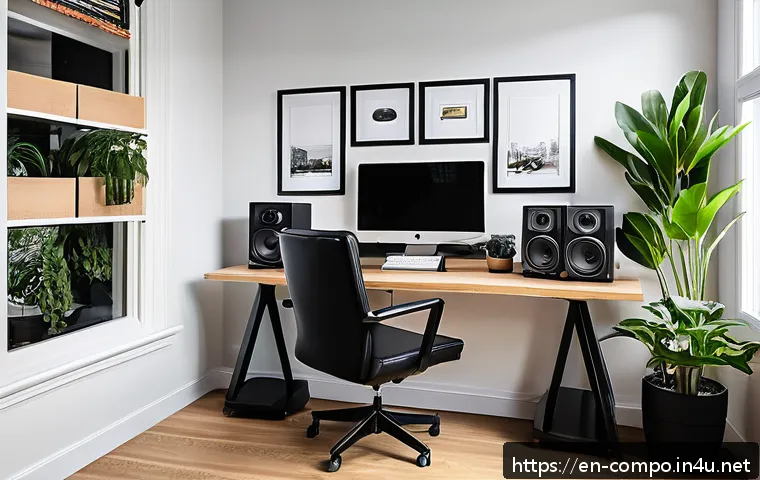
When I first started out, my “studio” was basically a corner of my living room, crammed with a keyboard, a tiny desk, and a tangled mess of cables. I thought all that mattered was the gear, but oh, how wrong I was!
It took me years to realize that the *space itself* is just as crucial as the instruments or software you use. Think about it – if you’re uncomfortable, distracted, or just plain uninspired by your surroundings, how can you expect brilliant ideas to flow?
I’ve learned firsthand that a thoughtfully arranged environment can literally transform your creative output, reducing fatigue and boosting your mental clarity.
It’s not about having a lavish, professional studio (though that’s nice!), but about optimizing what you have to serve your artistic journey. I remember one particularly stubborn creative block where I just couldn’t land a melody.
I took a step back, looked at my messy desk, and realized the chaos around me was mirroring the chaos in my head. A quick tidy-up and a slight rearrangement later, and suddenly, the notes started to connect.
It was a revelation, and ever since, I’ve prioritized creating a space that feels like a true extension of my creative self.
Ergonomics: Your Body’s Best Ally
Let’s be real, we composers spend hours upon hours hunched over keyboards, staring at screens, and clicking mice. If your body isn’t happy, your creativity will suffer.
Trust me, I’ve battled my fair share of neck pain and wrist strain from neglecting proper posture. It’s not just about comfort; it’s about longevity. Investing in an ergonomic chair that supports your lower back is probably one of the best decisions I’ve ever made for my career.
I used to think a cheap office chair was fine, but after a few weeks of radiating back pain, I knew I needed to change. Adjustable monitor arms are another game-changer, allowing you to position your screens at eye level, which drastically reduces neck and eye strain.
And don’t forget your keyboard and mouse! A good ergonomic keyboard and a vertical mouse can make a world of difference for your wrists. My personal mantra now is: “Take care of your body, and your body will take care of your music.” It sounds simple, but it’s profoundly true.
You want to feel energized and free, not stiff and sore, when the inspiration strikes.
Decluttering for Clarity: A Breath of Fresh Air
There’s something truly magical about a clean, organized workspace. Clutter is a silent killer of creativity, constantly vying for your attention and subconsciously adding to mental fatigue.
I used to have stacks of papers, old gear manuals, and half-empty coffee mugs all over my desk. Each item, no matter how small, was a tiny distraction.
When I finally committed to a rigorous decluttering session, it felt like I was clearing out mental cobwebs too. Suddenly, I could think more clearly, focus more intensely, and my ideas seemed to flow with less resistance.
It’s not about being a minimalist unless that’s your vibe, but about having a dedicated place for everything and making sure that only what you truly need for composing is within arm’s reach.
My tip? Go through everything on your desk. If you haven’t used it in a month, or it doesn’t directly contribute to your creative process, find it a proper home or consider letting it go.
You’ll be amazed at how much lighter and more inspired you feel.
Personalizing Your Space: Infusing Your Vibe
Your creative space should feel like *yours*. It’s not just a functional room; it’s an extension of your artistic soul. I’ve found that adding personal touches – a piece of art that inspires me, a favorite plant, or even just some photos of loved ones – can make a huge difference in how I feel when I sit down to work.
These aren’t just decorations; they’re emotional anchors that ground you and remind you of your purpose. My studio wall has a small framed print of a mountain landscape that always brings a sense of calm and perspective.
It’s a little thing, but it helps set a positive mood. Don’t be afraid to experiment with colors, textures, and objects that resonate with you. The goal is to create an environment where you feel comfortable, safe, and truly at home, allowing your most authentic musical ideas to emerge without inhibition.
It’s about crafting a sanctuary that reflects your unique personality and fuels your creative spirit every single day.
Sound Matters: Taming the Acoustics in Your Den
Alright, let’s talk about something many home composers overlook but is absolutely foundational to great sound: acoustics. You can have the most expensive monitors in the world, but if your room is a mess of reflections and standing waves, you’re essentially mixing blindfolded.
I spent far too long battling boomy bass and harsh highs, constantly second-guessing my mixes, only to realize that my room was the biggest problem. It’s a frustrating experience, especially when you pour your heart into a track and then can’t trust what you’re hearing.
The good news is, you don’t need to spend a fortune to make a significant improvement. A few strategic tweaks can utterly transform your monitoring environment, giving you a much more accurate representation of your music.
I distinctly remember the “aha!” moment when I first put up some DIY acoustic panels; suddenly, my mixes translated so much better to other systems, and I finally felt like I was hearing my music, not just my room.
DIY Acoustic Treatments: Smart Solutions, Big Impact
Professional acoustic treatment can be incredibly pricey, but for us home studio folks, there are plenty of effective and budget-friendly DIY options.
The goal is to absorb reflections and control bass buildup. Bass traps in the corners of your room are your best friends; even simple rockwool panels wrapped in fabric can make a world of difference.
Next, focus on first reflection points – these are the spots on your side walls, ceiling, and even behind your monitors where sound bounces directly from your speakers to your ears.
Hanging some acoustic panels or even thick blankets at these points can drastically improve clarity. I built my first panels using inexpensive wood frames, rockwool insulation, and some breathable fabric from a local store.
The improvement was immediate and profound. Suddenly, details in my mixes that were previously masked started to emerge, and my stereo imaging became much clearer.
Don’t underestimate the power of a few strategically placed homemade panels; they’re truly a game-changer for any home studio.
Monitor Placement Magic: Finding the Sweet Spot
Even without extensive acoustic treatment, proper monitor placement is crucial. Think of your listening position and your two monitors forming an equilateral triangle.
Your ears should be at the same height as the tweeters. Angle your monitors slightly inwards so they point directly at your head. Also, try to keep them away from walls as much as possible to minimize bass buildup.
I’ve found that experimenting with even small adjustments in monitor angle and distance can yield surprisingly different results. Sometimes, moving them just a few inches can eliminate a nasty resonance or clarify a muddy frequency range.
When I was first setting up, I literally spent an hour nudging my monitors around, playing the same reference track, until everything just clicked into place.
It’s a bit like tuning an instrument – you have to find that perfect balance for optimal performance. Don’t rush this step; it’s more important than you might think for getting an accurate sound.
Headphones vs. Monitors: Knowing When to Use What
This is a debate as old as the home studio itself! Both headphones and monitors have their strengths and weaknesses, and I’ve learned to use them synergistically.
Headphones, especially open-back ones, offer incredible detail and can reveal subtle issues you might miss on speakers, particularly in terms of panning and reverb tails.
They’re also fantastic for late-night sessions when you can’t blast your monitors. However, they can also be fatiguing over long periods, and their “inside your head” soundstage doesn’t always translate well to a real-world listening environment.
Monitors, on the other hand, give you a more accurate representation of how your music will sound in a room, offering a sense of depth and space that headphones can’t fully replicate.
My workflow usually involves composing and initial mixing on monitors, then switching to headphones for fine-tuning details and checking for artifacts.
Finally, I do one last listen on monitors to ensure everything holds up in a speaker environment. It’s all about leveraging the strengths of each tool to achieve the best possible mix.
Streamlining Your Setup: Tech That Works *With* You
Let’s face it, our digital audio workstations (DAWs) and all the accompanying plugins can quickly become overwhelming. I’ve seen countless composers (and been one myself!) lose precious creative time battling sluggish software, disorganized files, and a spaghetti monster of cables behind their desks.
It’s truly infuriating when you’re in the zone, and your computer decides to stutter, or you can’t find that one specific sample you just *know* will complete your track.
Over the years, I’ve dedicated serious effort to optimizing my tech setup not just for raw power, but for seamless, frustration-free creativity. My goal is for the technology to be an invisible assistant, allowing my ideas to flow unimpeded.
I’ve discovered that a little proactive organization goes a long, long way in keeping your creative engine running smoothly, allowing you to focus on the music, not the technical headaches.
Cable Management: The Unsung Hero of Sanity
Oh, the cables! I used to dread looking behind my desk because it was a tangled nightmare. Not only did it look awful, but it made troubleshooting a living hell.
“Is this cable connected?” “Which one is this?” Ugh. Investing a little time and a few dollars into proper cable management has been an absolute sanity saver.
Cable ties, velcro straps, cable sleeves, and even adhesive clips can transform your chaotic mess into an organized, aesthetically pleasing system. Grouping power cables separately from audio cables can also help prevent interference.
When everything is neatly routed and labeled, finding connections or swapping out gear becomes a breeze, not a full-blown archaeological dig. Trust me on this one: a clean cable setup doesn’t just look professional; it significantly reduces stress and potential technical issues.
I once spent an entire afternoon meticulously organizing my cables, and the feeling of accomplishment, not to mention the improved peace of mind, was totally worth it.
Optimizing Your DAW: Settings That Save Hours
Every digital audio workstation has a wealth of settings that can either hinder or help your workflow. I’ve spent countless hours diving into preferences, figuring out the optimal buffer sizes, sample rates, and performance settings for my specific system.
Small tweaks can lead to massive improvements in stability and responsiveness. For instance, ensuring your audio interface drivers are up-to-date and correctly configured for low latency can eliminate frustrating crackles and dropouts.
Also, learn your DAW’s shortcuts! Seriously, mastering hotkeys for common actions like quantizing, cutting, or duplicating can shave hours off your production time over the course of a project.
I keep a cheat sheet next to my monitor for the less common ones, and it’s amazing how quickly those micro-optimizations add up. Taking the time to truly understand and customize your DAW’s environment for your needs is an investment that pays dividends in creative flow.
Smart Storage Solutions for Your Gear
As composers, we accumulate *stuff* – microphones, interfaces, MIDI controllers, external drives, you name it. Letting this gear pile up randomly can lead to damage, lost items, and general disarray.
I’ve found that smart storage solutions are essential. Rack units for audio interfaces and preamps keep them protected and easily accessible. Drawer units or wall-mounted shelves can house smaller items like microphones, cables, and hard drives.
For samples and project files, a robust external hard drive setup (or even a network-attached storage, NAS, if you’re feeling fancy) with a clear backup strategy is non-negotiable.
Losing a project because of a failing drive is a nightmare I wouldn’t wish on my worst enemy. I’ve adopted a “everything has a home” philosophy, and it ensures that when inspiration strikes, I’m not hunting for a specific piece of gear; it’s right where it should be, ready to go.
Lighting the Spark: Ambiance for Endless Inspiration
You know that feeling when you walk into a room, and it just *feels* right? The lighting plays a huge role in that, and it’s often overlooked in creative spaces.
For a long time, my studio lighting was just a harsh overhead fluorescent, which frankly, made everything feel sterile and uninviting. It wasn’t until I started experimenting with different light sources and colors that I truly understood how profoundly lighting impacts mood, energy levels, and ultimately, creativity.
We’re not just trying to see what we’re doing; we’re trying to cultivate an atmosphere that inspires, soothes, or energizes us, depending on what the music demands.
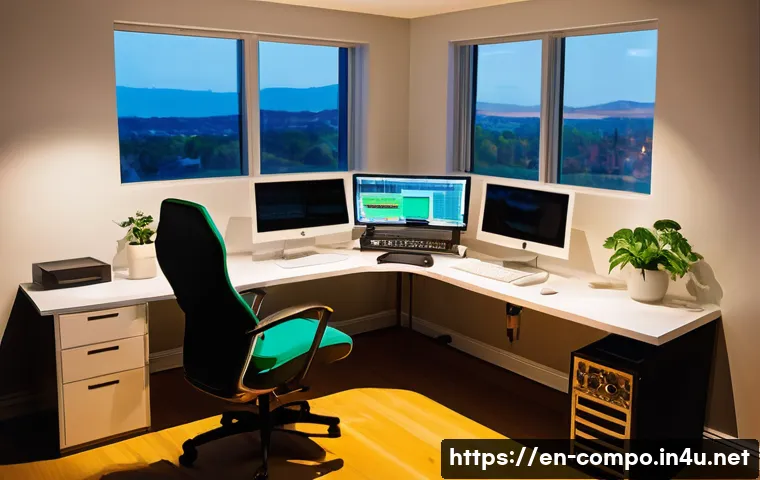
From personal experience, a well-lit space can make the difference between a productive, joyful session and a draining, uninspired one. It’s about crafting a visual environment that nurtures your artistic spirit and helps you stay focused and engaged for those long creative stretches.
Natural Light’s Embrace: Boosting Your Mood and Creativity
If you have access to natural light, embrace it! Sunlight is a natural mood booster and can significantly improve your well-being and productivity. Position your desk or primary workspace near a window if possible, but be mindful of glare on your screens.
A good set of blinds or curtains can help you control the intensity throughout the day. I’ve found that working with natural light for as long as possible keeps my energy levels up and my mind clearer.
There’s something about seeing the outside world, even if it’s just a glimpse, that prevents that “cave dweller” feeling we can sometimes get during intense creative sessions.
My studio has a large window, and I make sure to keep the blinds open during the day. It makes the entire room feel more expansive and inviting, and I swear it helps my ideas feel more “open” too.
Strategic Artificial Lighting: Setting the Scene
Since natural light isn’t always available, or sufficient, thoughtful artificial lighting is key. I’ve moved far beyond that single overhead light. Now, I use a combination of ambient lighting (soft, diffused light for the overall room), task lighting (focused light for specific work areas, like a desk lamp), and accent lighting (to highlight features or create mood).
Dimmable lights are fantastic because they allow you to adjust the brightness to suit the time of day or your mood. Warm white lights (around 2700-3000K) are generally more relaxing and conducive to creative flow than harsh, cool white lights.
LED strips can also be used to create cool ambient backlighting for your monitors, reducing eye strain and adding a modern touch. Experiment with different light sources and positions; you’ll be surprised how much impact it has on your creative energy.
Color Psychology: Painting Your Sonic Canvas
Believe it or not, the colors in your lighting and decor can subtly influence your mood and creativity. Blue light, for example, is often associated with calmness and focus, while warmer tones like orange and red can evoke energy and passion.
I don’t go overboard, but I do use smart LED bulbs that allow me to adjust the color temperature and even specific colors. Sometimes, a subtle shift to a warmer, cozier hue in the evening helps me wind down and focus on more emotive compositions.
Other times, a slightly cooler, brighter light helps me stay sharp during intricate mixing sessions. It’s not about making your studio look like a disco, but about understanding how different colors can prime your mind for different types of creative work.
Think about what emotions you want to evoke in your music, and see if you can subtly reinforce that through your lighting choices.
Beyond the Screen: Nurturing Your Well-being and Focus
It’s easy to get completely absorbed in our digital worlds, spending hours glued to screens, lost in the intricate labyrinth of our DAWs. While that intense focus can be incredibly productive, it also comes with a cost if we don’t actively manage our well-being.
I’ve had countless sessions where I looked up, hours later, feeling drained, eyes aching, and my mind a foggy mess. That’s not sustainable, and it certainly isn’t conducive to long-term creativity.
True creative power comes not just from intense work but also from mindful rest and intentional breaks. I’ve realized that stepping away, even for a few minutes, often unlocks solutions to creative problems that felt insurmountable just moments before.
It’s about cultivating habits that protect your mental and physical health, ensuring you can keep creating for years to come without burning out.
Mindful Breaks: Stepping Away to See Clearly
We often feel guilty about taking breaks, but they are absolutely essential. Staring at the same project for too long can lead to “ear fatigue” and a lack of perspective.
I used to push through, thinking more hours meant more progress, but often it just meant more frustration. Now, I schedule short, mindful breaks every hour or two.
I’ll step away from my screen, grab a glass of water, stretch, or even just stare out the window for a few minutes. This isn’t wasted time; it’s an investment in renewed focus.
Sometimes, I’ll even take a short walk to completely clear my head. It’s amazing how often I come back to my music with fresh ears and a solution to a problem that seemed impossible just before.
Giving your brain a chance to reset and process information subconsciously is a powerful creative tool.
Digital Detox Strategies: Reclaiming Your Attention
Our phones and social media are constant sources of distraction, and they are particularly insidious when you’re trying to focus on something as delicate as creative composition.
I used to keep my phone right next to my keyboard, constantly tempted to check notifications. Unsurprisingly, my focus suffered. Implementing some digital detox strategies has been a game-changer.
Putting your phone in another room or on silent mode during creative blocks can dramatically reduce interruptions. I’ve even gone as far as using website blockers on my computer for social media sites during peak creative hours.
It sounds extreme, but it prevents me from falling into endless scrolling traps. The goal isn’t to be completely disconnected, but to intentionally choose when and how you engage with digital distractions, reserving your precious attention for your music.
Incorporating Greenery: A Touch of Nature’s Calm
This might sound a little woo-woo, but trust me, adding plants to my creative space has made a noticeable difference. Plants don’t just look nice; they can improve air quality, reduce stress, and generally make a room feel more alive and calming.
I have a few easy-to-care-for plants like a snake plant and a pothos in my studio, and their presence adds a touch of natural serenity that helps counteract the often sterile feel of a tech-heavy setup.
They provide a subtle visual break, a hint of the outdoors, and a gentle reminder to breathe and connect with something beyond the screen. It’s a small detail, but these living elements contribute significantly to a more harmonious and inspiring environment.
My personal experience has been that they genuinely foster a more peaceful and focused atmosphere.
Smart Upgrades That Don’t Break the Bank: Maximizing Value
It’s easy to fall into the trap of thinking you need the latest, most expensive gear to make great music. Believe me, I’ve been there, staring longingly at shiny new synthesizers and high-end microphones.
While top-tier equipment can be amazing, the truth is, many significant improvements to your creative space and workflow can be made without emptying your bank account.
It’s all about being strategic and understanding where your investment will yield the greatest returns. I’ve learned that often, the “smart” upgrade isn’t the most glamorous one, but the one that solves a genuine problem or significantly improves your comfort and efficiency.
It’s about getting the most bang for your buck and leveraging resources creatively, rather than just throwing money at every perceived need.
Second-Hand Gems: Finding Hidden Treasures
The used market is an absolute goldmine for home studio owners! I’ve scored incredible deals on everything from MIDI controllers and audio interfaces to studio monitors and even vintage synthesizers.
Websites like eBay, Reverb.com, and local classifieds (like Craigslist or Facebook Marketplace) are teeming with equipment looking for a new home. The key is to do your research, read reviews, and ask for detailed photos and condition reports.
Sometimes, a piece of gear that’s a few years old can perform almost identically to its brand-new counterpart but at a fraction of the price. My current primary audio interface was a second-hand purchase, saving me hundreds of dollars, and it works perfectly.
It’s about being patient and discerning, and you can build a formidable setup without breaking the bank. Always verify the seller’s reputation and ask about any potential issues before committing to a purchase.
Software Subscriptions: When to Buy, When to Lease
The world of music software is increasingly moving towards subscription models, and while some people prefer outright ownership, there are definite benefits to subscriptions, especially for specific tools.
For instance, renting a plugin for a few months for a particular project can be far more cost-effective than buying it outright if you only need it occasionally.
Many companies offer bundles or educational discounts too, so always check those out. My approach has been to buy essential tools I use daily (like my DAW) and subscribe to specific sound libraries or niche plugins that I might only need for a limited time.
This flexible approach allows me to access a broader range of tools without a massive upfront investment. Weigh the long-term cost against your actual usage before committing.
DIY Solutions: Creativity on a Budget
As I mentioned earlier with acoustic treatments, the DIY route can be incredibly rewarding and cost-effective. But it doesn’t stop there! Need a custom desk shelf for your monitors?
Grab some lumber and a drill. Looking for better cable organization? Basic cable ties and Velcro can work wonders.
I’ve even seen composers build custom instrument stands or unique lighting fixtures for their studios using simple materials. There’s a certain satisfaction that comes from creating something with your own hands that perfectly fits your needs, and it often costs a fraction of what a store-bought equivalent would.
Plus, it adds a unique, personalized touch to your space that store-bought items just can’t replicate. Embracing your inner maker can save you money and infuse your studio with even more of your personal creative energy.
| Upgrade Type | Budget Impact (Low to High) | Creative Impact | Best For… |
|---|---|---|---|
| Decluttering & Organization | Low (mostly time) | High (mental clarity, focus) | Anyone feeling overwhelmed |
| DIY Acoustic Treatment | Medium (materials cost) | High (accurate monitoring) | Improving mix translation |
| Ergonomic Accessories (Chair, Monitor Arms) | Medium to High | High (physical comfort, longevity) | Long studio sessions |
| Strategic Lighting (Smart Bulbs, Task Lamps) | Low to Medium | Medium (mood, inspiration) | Enhancing atmosphere |
| Used Gear (Interfaces, Controllers) | Medium | High (expanding capabilities affordably) | Budget-conscious gear acquisition |
| Subscription Plugins/Libraries | Low (monthly fees) | Medium (access to diverse sounds) | Project-specific needs, trying new tools |
Wrapping Up
It’s been quite a journey, hasn’t it? From a chaotic corner to a sanctuary of sound, I’ve learned firsthand that crafting your ideal workspace isn’t just about the gear – it’s about nurturing your spirit and protecting your creative energy. It’s an ongoing evolution, a personal quest to find that perfect balance where inspiration flows freely. Remember, every thoughtful adjustment you make, big or small, is a step closer to unlocking your fullest creative potential. Treat your space as your silent partner in bringing your musical visions to life, and it will undoubtedly reward you with endless possibilities. Here’s to making more amazing music in environments that truly inspire us!
Good-to-Know Information
1. Take regular ear breaks. Seriously, step away from your monitors for at least 15 minutes every couple of hours to avoid ear fatigue and regain perspective. It makes a huge difference in the clarity of your decisions.
2. Invest in good quality cables. Cheap cables can introduce noise and signal issues, which can be a real headache to troubleshoot later. It’s a small expense for big peace of mind and cleaner audio.
3. Learn keyboard shortcuts for your DAW. This might seem minor, but mastering these can drastically speed up your workflow and keep you in the creative flow without constantly reaching for the mouse.
4. Always back up your work! Use external hard drives, cloud storage, or both. Losing a project due to a hardware failure is devastating, so make automated backups a non-negotiable habit.
5. Curate your plugin collection. It’s easy to get overwhelmed with too many plugins. Focus on a few high-quality ones you truly understand and love, rather than hoarding hundreds you rarely use.
Key Takeaways
Ultimately, creating your perfect creative haven is a deeply personal and evolving process. It’s about more than just the equipment; it’s about crafting an environment that supports your physical comfort, mental clarity, and emotional inspiration. From ergonomic essentials and acoustic considerations to mindful breaks and strategic, budget-friendly upgrades, every decision contributes to a space where your music can truly flourish. Invest in yourself and your creative sanctuary, and your unique artistic voice will undoubtedly thrive. Keep experimenting, keep optimizing, and most importantly, keep creating!
Frequently Asked Questions (FAQ) 📖
Q: How can the physical layout and overall vibe of my creative space genuinely impact my inspiration and compositional flow, especially when I’m clocking in serious hours?
A: Oh, this is such a crucial question, and honestly, it’s one I’ve grappled with so many times myself. I used to think as long as I had my laptop and my headphones, I was good to go.
Boy, was I wrong! What I’ve learned firsthand is that your physical environment isn’t just a backdrop; it’s an active participant in your creative process.
Imagine trying to brainstorm brilliant ideas in a cluttered, dim, and uncomfortable corner – it’s like trying to run through quicksand, right? A well-thought-out layout, with everything you need within easy reach, dramatically cuts down on distractions and friction.
I’m talking about having your go-to synth right where you can grab it, or your favorite reference books neatly stacked. But it’s more than just organization.
The “vibe” is everything. I’ve found that incorporating elements that genuinely inspire me, whether it’s a piece of art, some calming plants, or even just a perfectly placed soft lamp, can completely shift my mood and open up new pathways for ideas.
And let’s not forget comfort! Those long composing sessions can be brutal on your body. Investing in an ergonomic chair, proper monitor height, and even a standing desk option isn’t a luxury; it’s a necessity for sustained creativity and avoiding burnout.
From personal experience, when I’m physically comfortable and surrounded by things that spark joy, my brain feels freer to explore, and the melodies just seem to materialize.
It’s like creating a mental and physical ‘yes’ space that tells your creativity, “You are welcome here.”
Q: With all the incredible advancements in D
A: Ws and AI-powered tools, what’s your best advice for integrating these modern innovations into a practical composing setup, and how have they personally changed your workflow?
A2: This is where things get really exciting, isn’t it? The landscape of music creation has absolutely exploded with DAWs (Digital Audio Workstations) and AI, and navigating it can feel a bit overwhelming at first.
My personal take? Embrace them, but strategically. When I first started experimenting with AI tools, I was a little skeptical, wondering if they’d stifle my original voice.
What I quickly discovered, however, is that they’re phenomenal as creative catalysts and workflow accelerators, not replacements. For example, I’ve used AI for generating initial melodic ideas when I’m experiencing a creative block, or for quickly sketching out harmonic progressions I might not have thought of on my own.
It’s like having an infinitely patient co-writer who never judges your wildest ideas. As for DAWs, the key is to really dig deep into the one you choose.
I used to hop between a few, thinking I was getting the best of all worlds, but honestly, mastering one has been far more impactful. Knowing all the shortcuts, the ins and outs of its native plugins, and how to quickly navigate its interface saves countless hours.
I remember one project where I was struggling with a complex orchestral arrangement, and by leaning into some of the AI-powered orchestration suggestions combined with my DAW’s advanced routing, I not only finished it faster but also achieved a richer sound than I thought possible.
These tools aren’t just for making things easier; they push the boundaries of what’s creatively achievable, allowing us to focus more on the artistic vision and less on the technical hurdles.
Q: Beyond fancy gear, what are some of those ‘invaluable insights’ you’ve picked up over the years for crafting a true sanctuary that truly boosts both productivity and artistic freedom?
A: Ah, this is where the real magic happens, beyond the shiny new toys! While I adore my gear, I’ve learned that the soul of your creative space often lies in the less obvious details.
My absolute top insight is about embracing minimalism with a personal touch. Clutter, both physical and digital, is a creativity killer. I’ve found that regularly decluttering my desk and organizing my digital files creates a mental clarity that’s priceless.
You want your space to feel inviting and open, not overwhelming. Another huge one for me is lighting. Natural light is king – it genuinely impacts mood and energy.
If you can’t get much natural light, invest in good quality artificial lighting that’s adjustable. I use smart bulbs that change color temperature throughout the day, mimicking natural light, and it’s made a world of difference for my focus and eye strain.
Don’t underestimate the power of sound, either! Beyond your monitoring setup, think about ambient sound. Sometimes I’ll play very low-volume nature sounds or ambient music to set a specific mood before I even start composing.
Finally, and this might sound simple, but personalize your space! It’s your sanctuary, after all. Frame a photo that makes you smile, keep a sentimental object nearby, or even just choose a paint color that genuinely resonates with you.
These aren’t just aesthetic choices; they’re emotional anchors that remind you why you love what you do. It’s about cultivating an environment that doesn’t just hold your tools, but truly nurtures your spirit.