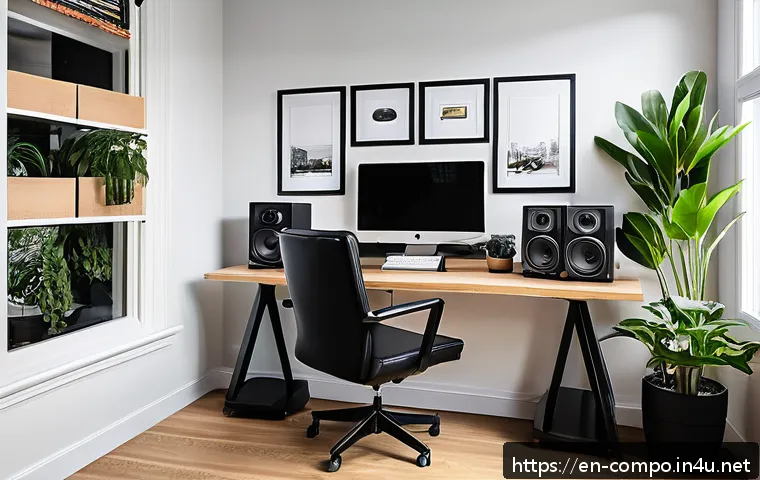
In today’s fast-paced creative world, capturing inspiration the moment it strikes can make all the difference between a fleeting idea and a masterpiece.
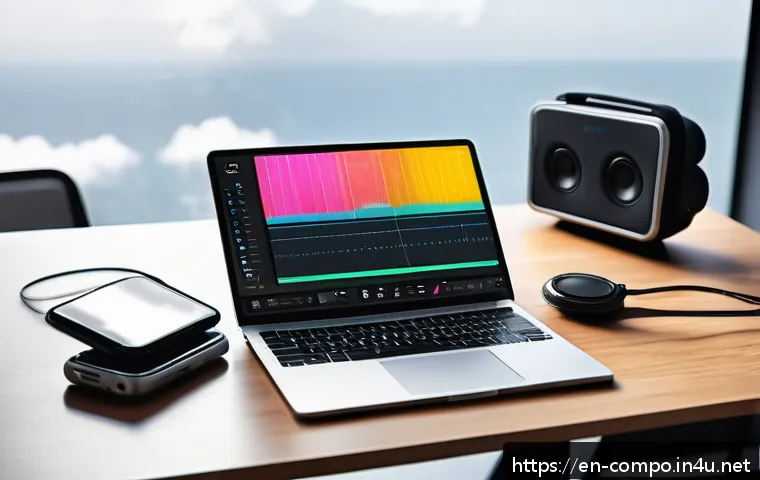
Whether you’re a seasoned composer or just starting out, mastering the art of maintaining a composer’s diary is a game-changer for boosting productivity and nurturing creativity.
With recent trends emphasizing mindfulness and intentional work habits, this approach aligns perfectly with how artists are reshaping their creative processes.
Let’s dive into proven techniques that can help you harness your musical ideas effectively and keep your creative momentum alive. If you’ve ever struggled to organize your bursts of inspiration, this guide is tailored just for you.
Building a Routine That Encourages Daily Creativity
Setting a Dedicated Time for Reflection
Finding a consistent time slot each day to jot down your musical ideas can transform your creative output. From my experience, early mornings work wonders because the mind is fresh and less cluttered with daily distractions.
Even if you only spend 10-15 minutes, making it a ritual helps your brain switch into creative mode. Over time, this habit can turn into an inspiring checkpoint, where you review previous entries and spark new ideas.
The key is commitment — treat this diary time as non-negotiable, like a rehearsal or meeting.
Choosing the Right Medium for Your Diary
Some composers swear by digital tools like apps or voice memos, while others prefer the tactile feel of a physical notebook. I’ve personally found a hybrid approach useful: I carry a small journal for quick sketches and use an app on my phone for detailed notes and recordings.
The advantage of digital formats is easy organization and searchability, but pen and paper often stimulate raw creativity in a way screens can’t. Whichever you choose, make sure it’s something you can access instantly when inspiration strikes.
Creating a Comfortable Environment for Writing
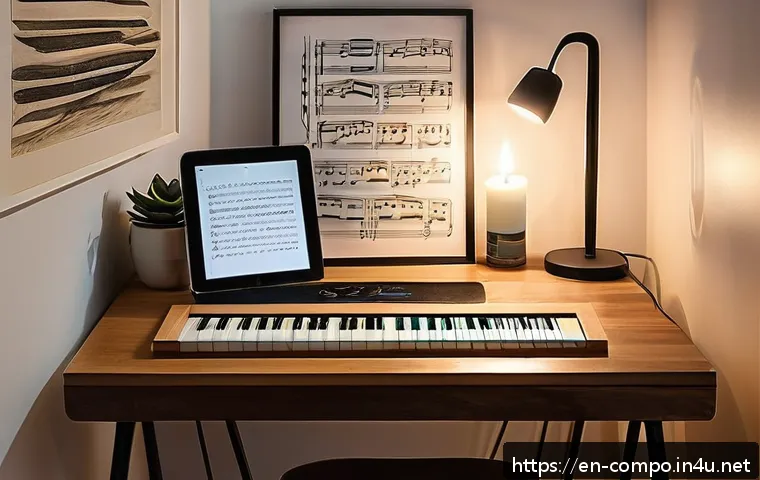
Your environment profoundly affects how freely your ideas flow. I like to have a cozy, distraction-free corner with soft lighting and my favorite instrument nearby.
Some days, I even light a candle or play ambient music to set the mood. This sensory setup primes my brain to associate the space with creativity, making it easier to dive deep into the diary process.
Experiment with different atmospheres until you find what makes you feel relaxed yet energized to write.
Techniques for Capturing and Organizing Musical Ideas
Breaking Down Ideas Into Manageable Pieces
When inspiration hits, it’s tempting to try and capture everything at once, but this can lead to overwhelming clutter. Instead, I break down ideas into smaller components: melody, rhythm, harmony, or lyrics.
This compartmentalization allows me to revisit specific elements later without sifting through long, disorganized notes. It also helps when I want to experiment with variations or combine ideas more fluidly.
Using Tags and Categories for Easy Retrieval
Tagging entries with keywords like “upbeat,” “ballad,” or “jazz fusion” has been a game-changer in my diary practice. It’s like creating a personalized library of motifs and moods that I can pull from depending on the project.
Apps like Evernote or Notion offer tagging systems that make this effortless, but even a simple color-coding system in a physical diary works well. This method saves time and keeps your creative flow uninterrupted when searching for specific ideas.
Integrating Audio and Visual Elements
Sometimes words or musical notation alone can’t capture the essence of an idea. I’ve started recording quick voice memos or snapping photos of chord charts and sketches.
Incorporating multimedia elements enriches the diary and provides a fuller picture of your creative process. When I revisit these entries, the combination of audio, visuals, and notes often sparks new directions I hadn’t considered initially.
Maintaining Momentum Through Reflection and Revision
Scheduling Weekly Reviews
Consistency in reviewing your diary entries is just as important as daily writing. I set aside one day each week to go through my notes, listen to recordings, and identify promising ideas worth developing further.
This habit not only prevents ideas from getting lost but also keeps me motivated by tracking progress. It’s like having a creative checkpoint that balances inspiration with actionable steps.
Embracing Imperfections in Early Drafts
One lesson I’ve learned is to avoid judging ideas too harshly in the diary stage. Many initial concepts are rough or incomplete, and that’s perfectly fine.
The diary is a safe space for experimentation, where “mistakes” often lead to breakthroughs. By accepting imperfection, you reduce creative pressure and encourage a freer flow of ideas.
Sharing Select Entries for Feedback
Sometimes, bouncing ideas off trusted collaborators or mentors can open new perspectives. I occasionally share diary snippets with fellow musicians or producers to get constructive feedback.
This collaborative approach has helped me refine my work and stay connected to a creative community, which is invaluable for sustained artistic growth.
Leveraging Technology to Enhance Your Composer’s Diary
Exploring Dedicated Music Apps
Apps like Soundtrap, BandLab, or GarageBand can integrate with your diary practice by allowing you to layer ideas and experiment with arrangements on the spot.
I often record rough drafts directly into these platforms, which helps me hear how my ideas translate in real-time. This approach bridges the gap between concept and production, streamlining the workflow.
Utilizing Cloud Storage for Accessibility
Storing your diary in cloud services like Google Drive or Dropbox ensures your ideas are backed up and accessible from any device. This flexibility is crucial when inspiration strikes unexpectedly away from your usual workspace.
I’ve had moments where a sudden melody came to me during a commute, and thanks to cloud syncing, I could immediately capture it on my phone and expand on it later at home.

Automating Reminders and Prompts
To keep the diary habit alive, I set gentle reminders on my phone or calendar to prompt daily entries. Some apps also offer creative prompts or challenges that push you to explore new styles or techniques.
These nudges can prevent creative blocks and keep your momentum going, especially during busy or uninspired periods.
Balancing Structure and Freedom in Your Diary
Designing Flexible Templates
I’ve experimented with diary templates that include sections for mood, tempo, instruments, and lyrical themes. While these provide helpful guidance, I leave room for freeform writing to capture spontaneous thoughts.
This balance allows me to stay organized without feeling restricted, accommodating both analytical and emotional aspects of creativity.
Allowing Space for Unplanned Ideas
Sometimes, the best ideas come from moments of unstructured reflection. I dedicate blank pages or sections labeled “random thoughts” where I can freely write or doodle without concern for format.
This openness often leads to unexpected connections and fresh inspiration, reminding me that creativity thrives in both order and chaos.
Reviewing and Updating Your Diary System
Your creative process evolves, so should your diary approach. Every few months, I reassess my diary setup, adding new sections or tools and discarding what no longer serves me.
This ongoing refinement keeps the diary relevant and aligned with my current workflow, preventing it from becoming a neglected chore.
Comparing Different Diary Methods at a Glance
| Diary Method | Pros | Cons | Best For |
|---|---|---|---|
| Physical Notebook | Tactile, easy to access, encourages freeform writing | Harder to organize and search, risk of loss | Those who prefer analog, spontaneous jotting |
| Digital Notes App | Searchable, taggable, integrates multimedia | Requires device, potential distractions | Organized composers needing quick retrieval |
| Voice Memos | Captures melodies and emotions instantly | Less detailed, needs transcription for clarity | Musicians who think in sounds and phrases |
| Hybrid Approach | Combines best of analog and digital worlds | Requires discipline to maintain both | Flexible creatives with diverse workflows |
Incorporating Mindfulness to Enhance Creative Clarity
Practicing Present-Moment Awareness
Mindfulness helps you fully experience the creative moment without judgment or distraction. Before opening your diary, taking a few deep breaths or a short meditation can center your thoughts.
I’ve noticed that this practice reduces mental clutter, making it easier to translate abstract feelings into concrete musical ideas.
Using Sensory Anchors to Stimulate Creativity
Engaging your senses can deepen your connection to inspiration. Whether it’s smelling a certain essential oil, listening to nature sounds, or feeling the texture of your instrument, these sensory cues can trigger vivid memories and emotions that enrich your compositions.
Including notes about these experiences in your diary adds another layer of depth to your creative process.
Reflecting on Emotional States
Emotions fuel musical expression. Recording your mood alongside your ideas provides context that can influence how you develop a piece. Sometimes, revisiting a diary entry tied to a particular feeling can reignite the passion behind a melody or lyric, helping you maintain authenticity in your work.
Closing Thoughts
Building a daily creative routine is a powerful way to nurture your musical ideas and keep your inspiration alive. By dedicating time, choosing the right tools, and creating a supportive environment, you set yourself up for consistent growth. Remember, creativity thrives on both structure and flexibility, so find what works best for you and stay committed. Over time, this habit will become an invaluable part of your artistic journey.
Helpful Tips to Keep in Mind
1. Consistency is key: Even short, daily sessions can significantly boost your creative output over time.
2. Experiment with different mediums: Whether digital, analog, or a mix, choose tools that fit your lifestyle and spark your creativity.
3. Organize your ideas thoughtfully: Tagging, categorizing, and breaking down your concepts helps you revisit and develop them efficiently.
4. Embrace imperfection: Early drafts don’t have to be flawless—allow yourself freedom to explore and experiment without judgment.
5. Use technology wisely: Apps, cloud storage, and reminders can enhance your workflow and keep your creativity flowing smoothly.
Key Takeaways for Effective Creative Journaling
Establish a dedicated, distraction-free time and space for your diary practice to foster a reliable creative habit. Balance structured templates with open-ended sections to capture both planned and spontaneous ideas. Regularly review and revise your system to keep it aligned with your evolving creative process. Incorporate mindfulness techniques to deepen your connection to your work and enhance creative clarity. Finally, don’t hesitate to seek feedback from trusted peers to refine your ideas and maintain motivation.
Frequently Asked Questions (FAQ) 📖
Q: How can keeping a composer’s diary improve my creative process?
A: Maintaining a composer’s diary helps you capture ideas the moment they come, preventing them from slipping away. It creates a dedicated space to track your progress, reflect on what works, and identify patterns in your creativity.
From my own experience, jotting down even rough sketches or emotions behind a piece sparked new directions later on. This habit turns scattered inspiration into a structured workflow, boosting both productivity and artistic growth.
Q: What’s the best way to organize my composer’s diary for maximum benefit?
A: The key is consistency and flexibility. I recommend setting aside a few minutes daily or after each creative session to update your diary. Use sections or tags for themes, moods, or technical notes so you can easily revisit ideas.
Some prefer digital apps with voice recording and notation tools, while others swear by simple notebooks. The most important thing is to find a method that feels natural and encourages regular entries without pressure.
Q: How does mindfulness tie into maintaining a composer’s diary?
A: Mindfulness encourages being fully present with your creative thoughts, which a composer’s diary supports beautifully. When you slow down to write about your ideas, you deepen your connection to the music and your emotions.
This practice can reduce creative blocks and increase intentionality in your work. Personally, I’ve noticed that reflecting mindfully in my diary helps me stay grounded and open to new inspiration, making the whole creative journey more fulfilling.