Alright, as your friendly neighborhood English blog influencer, I’ve seen firsthand how the music world is constantly evolving, and let me tell you, it’s never been a more exciting time to be a composer!
Gone are the days when “composer” meant only classical orchestras or Hollywood film scores. Today, we’re talking about everything from crafting immersive soundscapes for cutting-edge video games and virtual reality experiences to creating viral jingles and bespoke audio for countless online platforms.
The sheer breadth of opportunities out there is mind-blowing, but with that comes the need for a truly modern skillset. I’ve personally seen friends struggle to keep up when they haven’t embraced new tools and techniques, especially with the rise of AI in music generation.
That’s why diving into specialized training courses isn’t just a good idea; it’s practically essential to stand out and really make your mark. If you’re looking to turn your passion for music into a thriving career in this dynamic industry, getting the right education can make all the difference.
Let’s dive deeper into how to navigate composer job training courses and what you absolutely need to know to succeed! Let’s dive deeper into how to navigate composer job training courses and what you absolutely need to know to succeed!Alright, as your friendly neighborhood English blog influencer, I’ve seen firsthand how the music world is constantly evolving, and let me tell you, it’s never been a more exciting time to be a composer!
Gone are the days when “composer” meant only classical orchestras or Hollywood film scores. Today, we’re talking about everything from crafting immersive soundscapes for cutting-edge video games and virtual reality experiences to creating viral jingles and bespoke audio for countless online platforms.
The sheer breadth of opportunities out there is mind-blowing, but with that comes the need for a truly modern skillset. I’ve personally seen friends struggle to keep up when they haven’t embraced new tools and techniques, especially with the rise of AI in music generation.
That’s why diving into specialized training courses isn’t just a good idea; it’s practically essential to stand out and really make your mark. If you’re looking to turn your passion for music into a thriving career in this dynamic industry, getting the right education can make all the difference.
Let’s dive deeper into how to navigate composer job training courses and what you absolutely need to know to succeed!
Embracing the Evolving Soundscape: What Today’s Composer Needs
It’s easy to look at the music industry today and feel a little overwhelmed, isn’t it? I mean, when I first started out, things felt a lot more rigid.
You were either aiming for film scores, classical performance, or maybe pop production. But now? Oh my goodness, the possibilities are just exploding!
We’re talking about everything from designing intricate soundscapes for the latest VR games, where every rustle of leaves or distant echo has to be perfectly crafted, to composing catchy jingles for TikTok that go viral overnight.
The sheer variety of platforms and mediums demanding original music is incredible, and honestly, it’s a golden age for creativity. This isn’t just about knowing your scales and chords anymore; it’s about understanding how music integrates into interactive experiences, branding, and dynamic digital environments.
I’ve seen so many talented friends who were brilliant musicians get left behind because they didn’t adapt to this new reality. They stuck to traditional methods, and suddenly found themselves playing catch-up while the industry moved at light speed.
It really drives home the point that staying current isn’t just a suggestion; it’s practically a survival skill in this fast-paced world.
Beyond Traditional Notations: Sound Design and Interactive Scores
The days of merely writing notes on a stave and handing it off are, for many, a thing of the past. Today’s composer often needs to be a sound designer, understanding synthesis, sampling, and how to manipulate audio to create unique sonic textures.
Think about video games – the music isn’t just a linear track; it reacts to player actions, environmental changes, and emotional shifts in the narrative.
This requires a completely different approach to composition, one that’s modular, adaptive, and often deeply technical. I’ve spent countless hours diving into software manuals and experimenting with plugins that didn’t even exist a decade ago, just to keep up with the demands of these interactive scores.
It’s challenging, for sure, but incredibly rewarding when you hear your music seamlessly blend with a player’s experience.
The Rise of Digital Audio Workstations (DAWs) and Virtual Instruments
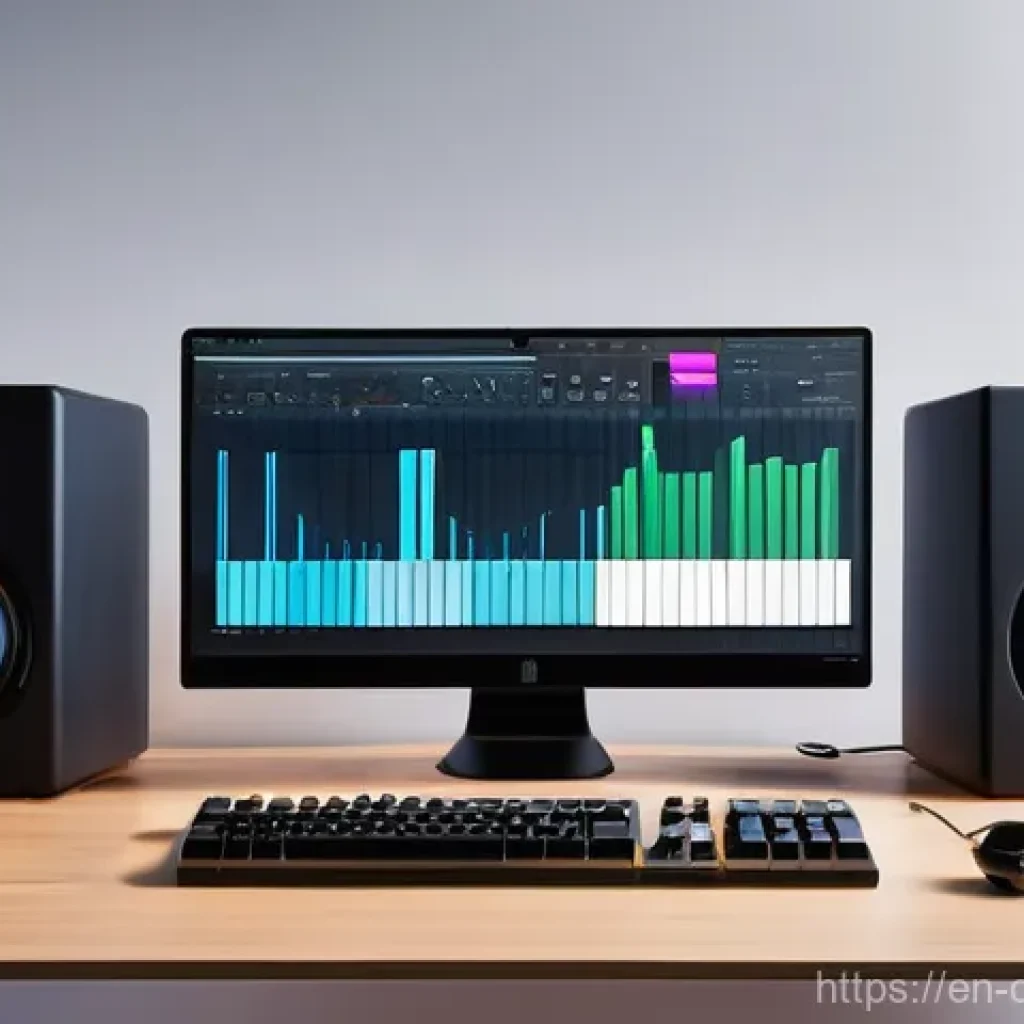
If you’re not intimately familiar with a Digital Audio Workstation (DAW) like Logic Pro, Ableton Live, or Pro Tools, you’re already at a disadvantage.
These are the modern composer’s primary tools, replacing expensive studios and hardware with powerful software on a laptop. And let’s not forget the incredible world of virtual instruments!
From incredibly realistic orchestral libraries that can trick even professional musicians, to avant-garde synthesizers that generate never-before-heard sounds, DAWs and VIs are the backbone of contemporary music creation.
I remember the first time I got my hands on a really good orchestral library; it felt like I suddenly had a world-class orchestra at my fingertips, ready to play anything I could imagine.
It’s a truly empowering feeling, but it also means there’s a steep learning curve to master these complex tools.
Crafting Your Toolkit: Essential Skills for Today’s Music Creator
Alright, so we’ve talked about the landscape, but what about the actual skills you need to navigate it? It’s not just about raw musical talent anymore, though that’s definitely still important!
Think of yourself as an artisan, someone who needs a diverse set of tools in their belt to tackle any project that comes their way. From the nuts and bolts of music theory to the often-overlooked business savvy, a modern composer is a multifaceted individual.
I’ve found that the more skills you can bring to the table, the more indispensable you become. It’s about being adaptable and versatile, ready to jump from a classical-sounding piece to an electronic dance track with ease, all while managing your clients and your finances.
It’s a lot, I know, but trust me, it’s worth the effort to build this comprehensive skillset.
Mastering Music Theory and Harmony with a Modern Twist
Yes, the classics still matter! Understanding music theory, harmony, counterpoint, and orchestration is the bedrock upon which all great music is built.
You can have the fanciest software in the world, but if you don’t understand how notes interact, how chords resolve, or how instruments blend, your music will fall flat.
However, it’s about applying these traditional principles in a contemporary context. How do you use a diminished chord to create tension in a horror game score?
How can you utilize modes to evoke a specific cultural feel in a commercial jingle? It’s about translating that foundational knowledge into practical, real-world applications for today’s diverse mediums.
I still remember the “aha!” moment when I realized how a particular harmonic progression I learned in classical theory could be completely reimagined for an EDM track, creating something fresh and exciting.
The Art of Production, Mixing, and Mastering
This is where many aspiring composers trip up. It’s one thing to compose a beautiful melody, but it’s another entirely to make it *sound* professional.
The lines between composer, producer, mixer, and masterer have blurred considerably. While you don’t necessarily need to be an expert in all these areas, a solid understanding of audio production is non-negotiable.
Knowing how to use EQ to shape your sounds, compression to control dynamics, and reverb to create space will elevate your compositions from demo quality to broadcast-ready.
I’ve seen so many incredible pieces of music get overlooked because the production quality wasn’t up to par. Investing time in learning the basics of mixing and mastering, even if you eventually outsource it, will give you a huge advantage and ensure your artistic vision comes through clearly.
Business Acumen and Self-Management Skills
Let’s be real: being a composer in the 21st century means you’re often running your own small business. This means understanding contracts, negotiating rates, managing your time, and marketing yourself effectively.
It’s not the glamorous part of the job, but it’s absolutely crucial. I’ve learned the hard way that a great portfolio isn’t enough if you can’t professionally communicate with clients, deliver on deadlines, or understand intellectual property rights.
Taking a few courses on business basics, or even just reading up on copyright law for musicians, can save you a world of headaches down the line. Treat your music career like a business, and you’ll be much more likely to succeed.
Charting Your Course: Finding the Right Training Programs
Now, with all these skills needed, where do you even begin to get the training? The good news is that the options are more diverse than ever before. Gone are the days when a four-year university degree was the *only* path to a reputable music education.
While those programs still hold immense value, there’s a whole universe of online courses, specialized bootcamps, and even mentorship opportunities that can provide targeted, high-quality training.
It really boils down to what fits your learning style, your budget, and your career goals. I’ve personally tried a mix of these, from formal university classes to intense online workshops, and each has offered unique benefits.
The key is to be discerning and find programs that truly equip you for the specific niche you want to carve out.
Exploring Online Academies and Certification Programs
The internet has truly revolutionized music education. Platforms like Coursera, Berklee Online, and even dedicated software academies (like those for specific DAWs or sound design tools) offer incredible depth and flexibility.
You can learn from industry professionals, earn certifications, and build practical skills right from your home studio. These programs often focus on specific areas, whether it’s game audio composition, electronic music production, or advanced orchestration techniques.
I’ve found that these certifications, while not replacing a full degree, can be incredibly valuable in demonstrating expertise in a niche area. Plus, the flexibility allows you to continue working or pursuing other projects while you learn, which is a huge bonus for anyone trying to build a career.
Deciphering University Degrees vs. Specialized Bootcamps
So, the big question: traditional university degree or a focused bootcamp? Both have their merits. A university degree (think Bachelor’s or Master’s in Music Composition or Production) offers a comprehensive, theoretical foundation, extensive networking opportunities with peers and faculty, and often access to high-end facilities.
It’s a deep dive into the academic and practical aspects of music. However, they can be expensive and time-consuming. Bootcamps, on the other hand, are intensive, shorter programs designed to get you job-ready in a specific area much faster.
They are usually very practical and hands-on. I’ve seen people flourish in both environments. My advice?
Consider what kind of learner you are and what your immediate goals are. If you want a broad, deep education and the “college experience,” go for the degree.
If you need to quickly acquire specific skills for a particular industry segment, a bootcamp might be your best bet.
Building Your Composer’s Blueprint: The Power of a Strong Portfolio
Let’s be brutally honest: in the music industry, nobody cares how many degrees you have if you can’t show them what you can *do*. Your portfolio is your absolute most crucial asset.
It’s not just a collection of your best pieces; it’s a curated narrative of your abilities, your versatility, and your unique artistic voice. When I’m looking to collaborate with other musicians or producers, the first thing I ask for isn’t their resume; it’s a link to their work.
This is where all that training, all that practice, and all those sleepless nights come together. It’s your calling card, your pitch, and your proof of concept all rolled into one.
And let me tell you, a well-structured, professional portfolio can open doors that no amount of theoretical knowledge ever could.
Showcasing Diverse Skills and Niche Specializations
Your portfolio should be a kaleidoscope of your talents. Don’t just put in ten variations of the same orchestral piece, even if they’re brilliant. Show range!
Have you composed for a video game? Include a demo reel with adaptive music. Did you create a jingle for a local business?
Feature it prominently. Do you have a knack for sound design? Include some custom sound effects.
While it’s great to have a specialty, demonstrating versatility shows potential clients that you can adapt to various project requirements. I’ve often landed gigs simply because my portfolio had a piece that perfectly matched a client’s unexpected need, even if it wasn’t my primary focus.
It’s about being prepared for anything.
The Art of the Demo Reel and Online Presence
In today’s digital age, your portfolio *is* your online presence. A professional website that’s easy to navigate, with high-quality audio examples, is non-negotiable.
Don’t just dump raw files; create curated demo reels that highlight your best work in short, impactful segments. Think about the first 30 seconds – that’s often all a busy client will listen to.
Make it count! Utilize platforms like SoundCloud, Bandcamp, and YouTube to host your work, but always link back to your central website. I’ve spent hours meticulously refining my own demo reels, ensuring every transition is smooth and every track is polished.
It’s a painstaking process, but it’s an investment in your future.
Connecting the Dots: The Indispensable Role of Networking
You know, I’ve seen some of the most talented composers out there struggle, not because of a lack of skill, but because they neglected the human element: networking.
It sounds like a buzzword, I know, but truly, building genuine connections within the industry is like planting seeds for future opportunities. It’s not just about collecting business cards; it’s about forming relationships, offering help, learning from others, and being a supportive member of the creative community.
So many of my most significant opportunities have come not from applying to job postings, but from a casual conversation at an industry event, a recommendation from a peer, or simply being present and engaged in online communities.
It’s truly about who you know, and more importantly, who knows *you* and trusts your work.
Attending Industry Events and Conferences
One of the best ways to meet people is to show up where they are! Industry conferences, music technology expos, and even local composer meetups are goldmines for networking.
You get to hear about the latest trends, learn from seasoned professionals, and, most importantly, connect face-to-face with potential collaborators, mentors, and clients.
I still remember the first time I attended a major game audio conference; it felt a bit intimidating at first, but by the end of it, I had exchanged contacts with a dozen people and even had a few tentative project discussions.
It’s a fantastic way to immerse yourself and make those vital personal connections that often lead to work down the road.
Leveraging Online Communities and Social Media
While in-person events are great, the digital world offers an equally powerful platform for networking. Joining online forums dedicated to music production, game audio, or film scoring can provide invaluable insights and connections.
Participate actively, offer helpful advice, and share your work. Social media platforms like LinkedIn, Twitter (now X), and even dedicated music communities are excellent for connecting with peers and industry professionals.
Just remember to be authentic and genuinely engage, rather than just overtly promoting yourself. I’ve formed some incredible collaborations with people I initially connected with through online communities, and those relationships have been invaluable to my career.
Monetizing Your Melodies: Crafting a Sustainable Composer Career
Let’s talk money, because let’s face it, passion alone won’t pay the bills! Building a sustainable career as a composer in today’s landscape means thinking beyond traditional revenue streams.
It’s no longer just about getting a publishing deal or scoring a major film. The internet has opened up a myriad of ways to monetize your music, from direct sales to sync licensing for independent projects, and even creating niche sample libraries.
It’s about diversifying your income and creating multiple revenue streams so you’re not putting all your eggs in one basket. I’ve personally experimented with various approaches, and I’ve learned that creativity in monetization is almost as important as creativity in composition itself.
Exploring Sync Licensing for Film, TV, and Games
One of the most lucrative avenues for modern composers is sync licensing. This involves licensing your existing music (or creating custom pieces) for use in films, television shows, commercials, video games, and even podcasts.
The demand for high-quality, affordable music for these projects is enormous. Building a library of production-ready tracks in various genres can provide a steady passive income stream.
Many online platforms and music libraries specialize in connecting composers with content creators. I’ve had some of my most unexpected earnings come from a track I wrote years ago being picked up for a commercial I never would have imagined.
It’s a thrilling feeling to know your music is out there, earning income while you sleep!
Direct-to-Fan Sales and Subscription Models
The internet allows you to bypass gatekeepers and connect directly with your audience. Platforms like Bandcamp, Patreon, and even your own website can be used to sell your music directly to fans, offer exclusive content, or set up subscription models.
For example, if you create unique sound design packs or niche genre music, you can sell those directly to other creators or dedicated fans. Patreon, in particular, has become a game-changer for many artists, allowing them to receive ongoing support from patrons who believe in their work.
I’ve seen firsthand how a dedicated following, even a small one, can create a sustainable income through these direct-to-fan models, providing a sense of creative freedom that’s hard to beat.
| Training Path | Pros | Cons | Best For |
|---|---|---|---|
| University Degree (e.g., Music Composition) | Comprehensive theory, strong networking, campus resources, academic rigor. | High cost, time-consuming, potentially less specialized for modern roles. | Aspiring film/orchestral composers, academics, those seeking broad musical foundation. |
| Online Certification/Courses | Flexible, cost-effective, specialized skills (e.g., game audio, specific DAWs), industry-led content. | Requires self-discipline, less in-person networking, varying quality. | Working professionals, those seeking specific skill upgrades, budget-conscious learners. |
| Music Production Bootcamps | Intensive, fast-paced, highly practical, job-focused, strong industry connections. | Expensive for short duration, very demanding schedule, less theoretical depth. | Individuals seeking rapid entry into industry, focused skill acquisition (e.g., EDM production). |
| Mentorship/Apprenticeship | Personalized guidance, real-world experience, direct industry insights, deep learning. | Hard to find, highly competitive, success depends on mentor quality, often unpaid initially. | Those seeking direct career path guidance, specific industry niche. |
Future-Proofing Your Passion: Staying Curious and Adaptable
If there’s one thing I’ve learned in this crazy, wonderful industry, it’s that stagnation is the enemy. The moment you think you know it all, or that the tools you’re using today will be sufficient tomorrow, you’re setting yourself up for a rude awakening.
The pace of technological advancement in music production, sound design, and even AI integration is staggering. What’s cutting-edge today could be standard practice – or even obsolete – in just a few years.
That’s why cultivating a mindset of continuous learning and adaptability isn’t just a good idea; it’s absolutely essential for a long and thriving career as a composer.
Embrace the change, rather than resisting it, and you’ll find yourself not just surviving, but truly flourishing.
Embracing AI in Music Creation
Okay, let’s talk about the elephant in the room: AI. It’s a hot topic, and frankly, some composers are really nervous about it. I get it!
The idea of machines generating music can feel threatening. But here’s my take: AI isn’t going to replace human creativity; it’s going to augment it. Learning how to use AI tools for generating initial ideas, automating repetitive tasks, or exploring new sonic territories can be a huge advantage.
Imagine having an intelligent assistant that can generate variations on a theme or help you brainstorm melodic ideas when you’re stuck. That’s the power of AI when used thoughtfully.
I’ve personally started experimenting with some AI music generators, and while they’re not perfect, they’ve sparked some really interesting creative directions I might not have found otherwise.
Continuous Learning: Exploring New Technologies and Genres
The world of music technology is constantly evolving. New DAWs emerge, plugins become more powerful, and innovative instruments are released almost daily.
Beyond that, musical genres are always blending and reinventing themselves. Don’t be afraid to step outside your comfort zone and explore new technologies or even musical styles that you wouldn’t normally touch.
Read industry blogs, watch tutorials, attend webinars, and always be on the lookout for the next big thing. A composer who can comfortably navigate both an orchestral score and a gritty synth-wave track is far more valuable and hireable than one who sticks rigidly to a single niche.
Stay curious, stay hungry, and never stop learning – that’s the real secret to a long and fulfilling career in this dynamic field!
Wrapping Things Up
Phew, what a journey we’ve been on together, exploring the ins and outs of what it truly means to be a modern composer! It’s a challenging, ever-shifting landscape, but honestly, that’s what makes it so incredibly exhilarating.
Don’t let the sheer volume of information overwhelm you; instead, see it as an invitation to continuously grow and refine your craft. I genuinely believe that with passion, persistence, and a healthy dose of curiosity, you can carve out an amazing and fulfilling career in this dynamic musical world.
Keep creating, keep learning, and never stop pushing the boundaries of what’s possible.
Handy Tips to Keep in Mind
1. Diversify Your Skillset: Don’t just focus on composition. Dive into sound design, mixing, and even basic business management. The more hats you can wear, the more invaluable you’ll become to clients and collaborators.
2. Master Your DAW: Treat your Digital Audio Workstation as an extension of yourself. Deep knowledge of its features and shortcuts will drastically speed up your workflow and unlock new creative possibilities.
3. Network Authentically: Building genuine relationships is key. Attend online and offline events, engage in communities, and always be willing to help others. Your network is your net worth in this industry.
4. Curate a Stellar Portfolio: Your demo reel is your calling card. Ensure it’s professional, showcases your versatility, and is easily accessible online. Make every second count for that first impression.
5. Embrace Continuous Learning: The music industry evolves rapidly. Stay curious about new technologies, AI tools, and emerging genres. Adaptability isn’t just a trait; it’s a survival skill for the long haul.
Key Takeaways
Ultimately, forging a successful path as a composer in today’s world boils down to a blend of foundational musicality, technical prowess, business savvy, and a relentless drive for adaptation. The traditional roles are blurring, demanding that we become multifaceted creators, comfortable with both the art of composition and the science of production. Remember, your journey isn’t a race, but a continuous evolution. By honing your craft, embracing new tools, strategically networking, and wisely monetizing your unique sound, you’re not just surviving – you’re truly thriving in this exciting new era of music creation. Keep that creative fire burning!
Frequently Asked Questions (FAQ) 📖
Q: What specific skills or courses are most crucial for today’s composers, especially with
A: I changing things up? A1: Oh, this is such a fantastic question and honestly, one I hear all the time! From my vantage point, having watched the industry pivot countless times, the absolute must-haves for a modern composer go way beyond just understanding harmony and counterpoint.
While those are foundational, of course, you really need to dive deep into digital audio workstations (DAWs) like Logic Pro, Ableton Live, or FL Studio.
Seriously, mastering one or two of these is non-negotiable. It’s like learning to drive a car if you want to be a race car driver – you just have to know it.
But here’s the kicker, and something I’ve personally experienced and seen friends struggle with: sound design and mixing skills are now equally vital.
You’re not just writing notes; you’re often creating entire sonic worlds. Think about the intricate soundscapes in video games or the punchy, polished audio needed for a commercial.
Courses focusing on synthesis, sampling, and advanced mixing techniques are gold. And don’t even get me started on the elephant in the room: AI. While some might see it as a threat, I’ve found that learning how to integrate AI music generation tools and prompts into your workflow is a massive advantage.
It’s not about letting AI do all the work, but using it as a creative assistant. Trust me, the composers who understand how to leverage these new technologies are the ones truly thriving right now.
It gives you an edge, allowing you to prototype ideas faster and explore avenues you might not have considered before.
Q: How can I pick the best composer training course when there are so many options out there?
A: This is where it gets a little tricky, right? The sheer volume of online courses, academies, and university programs can feel overwhelming. My advice, honed from years of seeing what works and what doesn’t, is to start by identifying your specific goals.
Are you dreaming of scoring films, crafting beats for pop artists, designing audio for games, or maybe even creating unique sound installations? Different paths require different specializations.
Once you have a clearer vision, look for courses with instructors who aren’t just academics but are active professionals in the industry you want to enter.
I’ve personally found that learning from someone who is actively scoring games or producing tracks for clients provides invaluable real-world insights that a purely theoretical course just can’t match.
Check out their portfolios! Also, don’t underestimate the power of a strong community aspect. Some of the best online courses offer forums, live Q&A sessions, or peer review opportunities.
It’s like having a built-in network and support system, which, believe me, is crucial in this often solitary creative field. And always, always read reviews and look for testimonials, but be a smart cookie about it – look for detailed accounts, not just generic praise.
A good course will often have graduates who’ve gone on to do exciting things; that’s your clearest sign of quality. Think of it as an investment in your future, so do your homework!
Q: After completing these courses, what kind of job opportunities can I realistically expect, and how do I actually land them?
A: Ah, the million-dollar question – turning that passion and hard-earned skill into a career! The good news is, with the right training, the opportunities are more diverse than ever.
We’re talking about roles as game audio composers or sound designers, film and TV score assistants or orchestrators, commercial jingle writers, podcast theme creators, music producers for independent artists, and even specialized audio creators for VR/AR experiences.
I’ve personally seen folks move from completing a solid course to working on indie game titles, producing tracks for YouTube influencers, and even getting cuts on bigger projects.
Landing these gigs, though, requires more than just talent. First and foremost, you need an impeccable portfolio or demo reel. This is your calling card, showcasing your best work in the specific niche you’re targeting.
Don’t just throw everything in there; curate it fiercely! Secondly, networking is HUGE. Go to industry events, connect with people on LinkedIn, participate in online communities.
I’ve found that so many opportunities come from who you know, or who knows of you. Thirdly, don’t be afraid to start small. Offer your services for smaller projects to build up your experience and credits.
Think of it as building your resume, piece by piece. And finally, persistence is key. There will be rejections, trust me, I’ve had my share!
But every “no” gets you closer to a “yes” if you keep refining your craft and your approach. Keep learning, keep creating, and keep putting yourself out there – the right opportunity will find you.