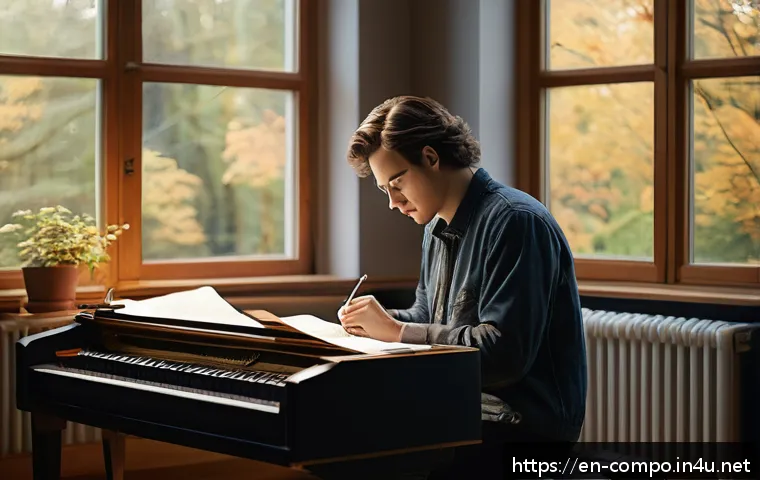
In today’s fast-paced digital world, creativity often feels like an elusive spark—especially in music composition. Yet, behind every unforgettable melody lies a fascinating process where inspiration meets technique.
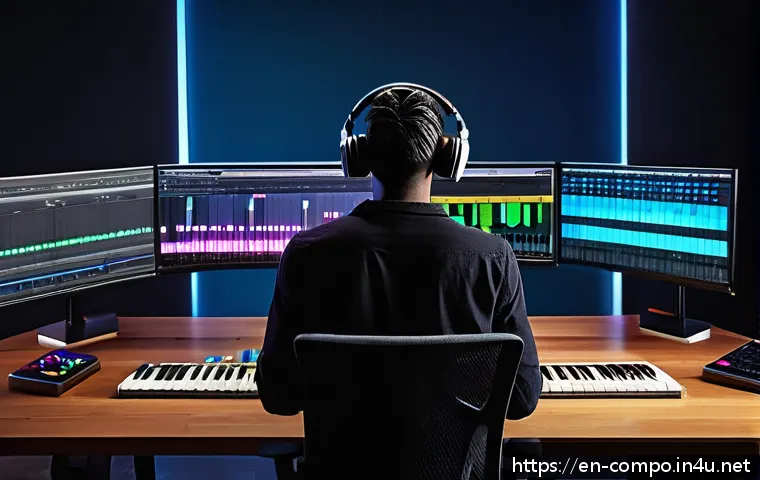
As we explore how composers channel their ideas into timeless masterpieces, you’ll discover the blend of emotion, discipline, and innovation fueling their craft.
Whether you’re a music lover or a curious creator, this journey reveals the secrets behind those moments of brilliance that move us all. Let’s dive into the art and science of transforming inspiration into music that resonates deeply.
Unlocking the Creative Flow: How Composers Capture Inspiration
Finding the Moment When Ideas Spark
Every composer knows that creativity rarely strikes on command. Instead, it often emerges unexpectedly—while taking a walk, during a quiet moment at home, or even in the middle of a busy day.
Personally, I’ve noticed that the best ideas come when I’m not forcing them but allowing my mind to wander freely. This “incubation period” is crucial because it lets the subconscious mind weave together emotions and memories, creating fertile ground for fresh melodies.
Many composers describe this phase as a mixture of rest and alertness, where the brain is relaxed but ready to catch fleeting ideas before they disappear.
Capturing the First Sketches
Once inspiration strikes, the challenge shifts to capturing that raw idea before it vanishes. Some composers swear by their trusty notebooks or voice memos, while others jump straight to a keyboard or guitar.
From my own experience, having a simple way to record these initial fragments is a game-changer. It’s fascinating how a tiny riff or a rhythmic pattern can evolve into an entire piece if nurtured with care.
At this stage, perfection isn’t the goal—it’s about preserving the essence of the moment and allowing it to grow naturally over time.
The Role of Emotion in Early Composition
Emotion acts as the invisible thread that connects the composer to their music. Whether joy, sadness, or nostalgia, these feelings infuse a melody with life and meaning.
In my creative process, I often revisit the emotional context behind a piece during its early development. This emotional anchoring helps maintain authenticity and ensures the music resonates deeply with listeners.
It’s no surprise that many timeless compositions are born from powerful personal experiences, as this emotional depth brings a universal quality to the music.
Mastering Structure Without Losing Freedom
Balancing Rules and Spontaneity
Music composition involves navigating between established structures and creative freedom. While classical forms like sonata or rondo provide a framework, modern composers often bend or break these rules to create something unique.
I’ve found that understanding traditional forms is essential—not as rigid cages, but as tools that guide creativity. This balance allows for innovation while maintaining coherence.
It’s like having a map that points out landmarks but still letting you explore off the beaten path.
Developing Themes and Variations
One of the most satisfying parts of composition is expanding a simple theme into a complex, evolving journey. This process often involves taking a melody and experimenting with its rhythm, harmony, or instrumentation.
Through trial and error, composers discover new colors and textures within familiar material. I remember working on a piece where a single motif transformed dramatically by changing its tempo and layering with different instruments, creating a rich narrative without losing the original spark.
Using Technology to Enhance Structure
Today’s composers have access to powerful digital tools that help shape and refine their work. Software like DAWs (Digital Audio Workstations) enables real-time experimentation with structure, allowing composers to hear immediate results and make adjustments on the fly.
In my workflow, technology acts as a collaborator rather than a crutch—helping me test ideas quickly while keeping the creative essence intact. This synergy between human intuition and digital precision is redefining how music is composed.
Embracing Discipline: The Composer’s Daily Practice
Setting a Routine That Fosters Creativity
Creativity thrives on consistency, even if it seems counterintuitive. Many composers, including myself, benefit from dedicating regular time to their craft, whether or not inspiration feels present.
This routine builds momentum and keeps the creative muscles active. Over time, it becomes easier to enter a productive state, turning composition into a habit rather than a sporadic event.
I’ve noticed that even short, focused sessions often lead to breakthroughs that surprise me.
The Importance of Technical Skill
Mastering an instrument or music theory provides the vocabulary to express ideas effectively. When I first started composing, technical gaps often blocked my creative expression.
But as my skills improved, I gained confidence to experiment freely without being limited by what I could physically play or understand. This technical foundation acts like a toolbox, enabling composers to translate abstract concepts into concrete sounds.
It also helps in communicating with other musicians and producers.
Overcoming Creative Blocks
Every creative mind faces moments of doubt or stagnation. What has helped me is viewing these blocks not as failures but as natural parts of the process.
Techniques like changing the environment, collaborating with others, or switching to a different creative task often reignite inspiration. Sometimes, stepping away from music entirely for a short time brings fresh perspective.
Embracing patience and persistence is key to moving through these challenging phases.
Innovating Sound: Experimentation and Genre Blending
Breaking Boundaries with New Sounds
The evolution of music is driven by experimentation. Composers push limits by exploring unconventional instruments, digital synthesis, or found sounds.
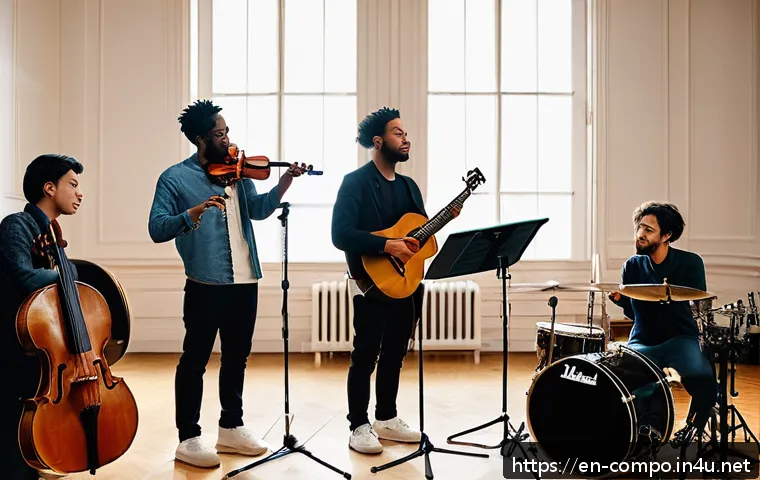
Personally, integrating non-traditional elements has opened up exciting creative avenues. For example, sampling everyday noises or combining acoustic and electronic textures can create entirely new sonic landscapes.
This adventurous spirit keeps music fresh and connects with audiences seeking originality.
Crossing Genres to Create Fresh Perspectives
Blending styles from different genres often leads to innovative results. I’ve enjoyed mixing classical motifs with jazz harmonies or electronic beats with folk melodies.
This fusion challenges traditional expectations and invites listeners on unexpected journeys. The key is respecting the essence of each genre while allowing them to dialogue naturally.
Such hybrid compositions reflect today’s diverse musical landscape and appeal to a wide range of tastes.
Collaborating as a Source of Innovation
Working with other artists introduces fresh ideas and perspectives that can spark creativity. In my experience, collaboration often pushes me beyond my comfort zone, inspiring risks I might not take alone.
Whether co-writing a piece or exchanging feedback, this interaction enriches the creative process. It also mirrors how music, historically, has evolved through cultural exchange and collective effort.
Refining and Polishing: The Art of Revision
The Value of Stepping Back
After the initial burst of creation, stepping away from a piece is crucial to gain perspective. When I revisit my work with fresh ears, I often notice areas that need adjustment or enhancement.
This break helps separate emotional attachment from objective critique. It’s a delicate balance, as you want to preserve the original spirit while making the music as strong as possible.
Iterative Editing for Depth and Clarity
Revision is not about changing everything but refining what’s already there. Small tweaks to dynamics, phrasing, or harmony can dramatically improve the listener’s experience.
Through repeated edits, a composition gains clarity and emotional impact. I find that layering different versions or sharing drafts with trusted peers provides valuable feedback to guide this process.
Preparing for Performance or Recording
The final stage involves adapting the composition for its intended medium, whether live performance or studio recording. This phase requires practical considerations like instrument ranges, technical feasibility, and audience engagement.
In my projects, I work closely with musicians and sound engineers to ensure the music translates well beyond the page. This collaboration is essential to bring the composition fully to life.
Essential Elements That Shape Memorable Music
| Element | Description | Impact on Composition |
|---|---|---|
| Melody | The main sequence of notes that forms the tune | Captures listener’s attention and emotional connection |
| Harmony | Supporting chords and progressions | Adds depth and color, enhancing mood |
| Rhythm | Timing and beat patterns | Creates movement and energy |
| Texture | How layers of sound interact | Shapes the sonic landscape and complexity |
| Form | Overall structure of the piece | Provides coherence and narrative flow |
| Dynamics | Variations in loudness and intensity | Expresses emotion and highlights key moments |
Interplay Between Elements
What fascinates me most is how these elements don’t exist in isolation but constantly influence each other. For instance, a melody can change meaning depending on the harmony beneath it, or rhythm can alter the perceived energy of a theme.
This dynamic interplay is where the true magic happens, allowing composers to craft music that feels alive and emotionally resonant. Understanding and mastering these components transforms simple sounds into memorable, moving experiences.
In Conclusion
Unlocking creativity as a composer is a delicate balance of inspiration, discipline, and experimentation. By embracing both structure and freedom, and by nurturing emotional depth, composers can craft music that truly resonates. The journey from initial spark to polished piece is filled with challenges, but it is also deeply rewarding. Ultimately, music becomes a reflection of both technical skill and personal expression.
Useful Information to Keep in Mind
1. Inspiration often arrives unexpectedly, so staying open and relaxed can help capture those fleeting creative moments.
2. Recording early ideas quickly, whether through voice memos or sketches, prevents losing valuable musical fragments.
3. Understanding music theory and technical skills empowers more confident and flexible composition.
4. Collaboration and genre blending can spark innovation and broaden creative horizons.
5. Regular practice and embracing creative blocks as part of the process strengthen long-term productivity and growth.
Key Takeaways
Creativity in composition thrives on a harmonious blend of spontaneous inspiration and structured technique. Emotions are vital in giving music authenticity, while technology can serve as an effective tool rather than a replacement for artistic intuition. Consistency in practice and openness to experimentation help composers evolve their craft. Remember, revision and collaboration are essential steps that refine ideas and bring music fully to life, making the creative process both dynamic and fulfilling.
Frequently Asked Questions (FAQ) 📖
Q: How do composers find inspiration when they face creative blocks?
A: Creative blocks are a common hurdle, even for seasoned composers. Many find that stepping away from their instruments and immersing themselves in different environments—like nature walks, art galleries, or even everyday conversations—can spark fresh ideas.
Personally, I’ve noticed that changing my routine or collaborating with other musicians opens new creative doors. Inspiration often strikes when you least expect it, so staying open and curious is key.
Q: What role does discipline play in turning musical ideas into complete compositions?
A: Discipline is absolutely crucial. Inspiration alone rarely results in a finished piece. Composers must commit to regular practice, revisiting and refining their work patiently.
From my experience, setting small, manageable goals—like completing a melody line or arranging a section—helps maintain momentum. It’s that steady, focused effort that transforms raw ideas into polished music that truly resonates.
Q: How do modern composers blend traditional techniques with innovative approaches?
A: Today’s composers often draw from classical foundations while embracing new technology and sounds. For example, using digital audio workstations alongside traditional instruments allows for experimentation that wasn’t possible before.
I’ve found that combining emotional storytelling with cutting-edge tools—like sampling or AI-assisted composition—creates unique textures and fresh perspectives, making music both timeless and contemporary.