Navigating a career shift in the music industry can feel like stepping into uncharted territory for many composers. With evolving technology and changing audience preferences, the traditional pathways are no longer the only options.
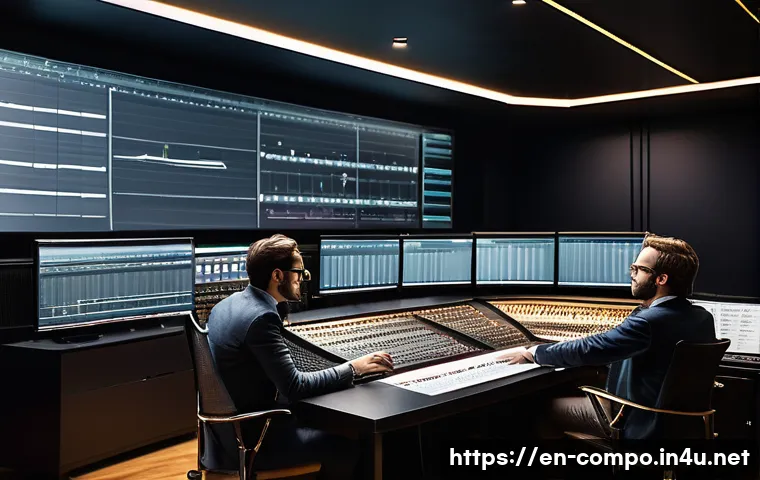
Whether moving from classical composition to film scoring, or exploring new digital platforms, this transition requires both adaptability and a fresh mindset.
It’s fascinating to see how composers reinvent themselves while keeping their creative spirit alive. Let’s dive deeper and uncover the key insights behind this transformative journey!
Expanding Creative Horizons Beyond Traditional Composition
Discovering New Musical Mediums
Many composers find themselves at a crossroads when their usual avenues start feeling limiting or outdated. For instance, shifting from purely classical works to multimedia projects like video games or podcasts can open unexpected doors.
I’ve seen colleagues dive into interactive soundscapes, which demand a whole new approach to timing and mood-setting compared to linear compositions. This broadens their toolkit and sharpens adaptability, critical in today’s fast-evolving music landscape.
Embracing Technology as a Creative Partner
Technology isn’t just a tool for composers anymore—it’s a collaborator. Software like DAWs, virtual instruments, and AI-assisted composition tools are reshaping how music is made.
When I first experimented with these, I was amazed at how they could spark ideas I might never have conceived by traditional means. Learning to navigate these platforms isn’t just about technical skill; it’s about integrating their possibilities into your creative flow without losing your unique voice.
Balancing Artistic Integrity and Commercial Viability
One of the trickiest parts of transitioning is maintaining your artistic identity while adapting to market demands. Scoring for films or commercials often requires compromises—timing constraints, client briefs, or genre expectations.
Yet, many composers find ways to infuse personal style within these boundaries. It’s a delicate dance between staying true to your vision and delivering what the project needs, which can be incredibly rewarding when done right.
Building a Network in a New Sector
Leveraging Existing Contacts with a Fresh Approach
Switching sectors doesn’t mean starting from scratch. I’ve noticed that many composers successfully tap into their existing network by reintroducing themselves with a new skill set or portfolio.
For example, a classical composer reaching out to film directors might emphasize narrative sensitivity rather than just technical prowess. Crafting tailored pitches and staying active in relevant communities can lead to surprising opportunities.
Finding Mentors and Collaborators in Emerging Fields
Entering unfamiliar territory can feel isolating, so finding mentors or peers who understand the nuances of your target industry is invaluable. I once connected with a seasoned game composer who shared insights about adaptive music techniques, which completely changed my approach.
Collaborative projects also serve as learning platforms, exposing you to new workflows and expectations.
Utilizing Online Platforms for Visibility and Connection
In today’s digital age, platforms like SoundCloud, LinkedIn, or even TikTok can be instrumental in gaining exposure and connecting with potential clients.
Sharing behind-the-scenes content or short music clips tailored to niche communities not only showcases your versatility but also builds an engaged audience that can translate into career opportunities.
Mastering the Business Side of Music Transition
Understanding Licensing and Royalties in New Markets
Every sector has its own rules for music rights and payments. Film scoring, for instance, often involves sync licenses, whereas streaming platforms focus on performance royalties.
When I shifted focus, I dedicated time to learning these distinctions to avoid pitfalls. This knowledge empowers you to negotiate fair deals and maximize your earnings.
Pricing Your Work to Reflect New Value
Determining rates in an unfamiliar field can be daunting. I recall undervaluing my early projects simply because I didn’t grasp the industry standards.
Researching competitor pricing and considering the complexity and usage of your music helps in setting realistic fees. Transparent communication with clients about pricing structures also builds trust.
Developing Contracts That Protect Your Interests
Contracts can be a minefield, especially when transitioning. I always recommend consulting with entertainment lawyers or using reputable templates tailored to your new domain.
Clear terms about rights, deliverables, and revisions save headaches down the line and ensure your work is properly credited and compensated.
Adapting Your Workflow for Diverse Projects
Flexible Composition Techniques for Varied Formats
Writing a concert piece versus a commercial jingle requires different mindsets and processes. In my experience, adapting quickly to these demands is key.
For example, film scoring often requires tight synchronization with visuals, which means composing in segments rather than full pieces. Developing modular composing skills and being comfortable with iterative feedback becomes essential.
Time Management Across Multiple Roles

Transitioning composers frequently juggle composing, mixing, client communication, and marketing simultaneously. I found that meticulous scheduling and using project management tools significantly improved my productivity.
Setting realistic deadlines and carving out focused creative time helped me meet expectations without burnout.
Incorporating Feedback While Maintaining Vision
Receiving critiques, especially from non-musicians like directors or producers, can be challenging. I learned to interpret their feedback as guides rather than rules, balancing their vision with my artistic input.
This negotiation often leads to stronger, more aligned final products and better client relationships.
Expanding Skillsets Through Continuous Learning
Enrolling in Specialized Courses and Workshops
To stay competitive, many composers invest in ongoing education. I took a film scoring masterclass that not only improved my technical skills but also connected me with industry insiders.
Workshops focused on emerging genres or tech tools can quickly boost your proficiency and confidence.
Exploring Cross-Disciplinary Knowledge
Understanding related fields—like sound design, audio engineering, or storytelling—can enhance your compositional approach. I found that learning basic mixing techniques improved my demos, making them more appealing to clients.
Similarly, studying narrative structures helped me create more impactful film scores.
Self-Directed Experimentation and Practice
Beyond formal learning, carving out time for personal projects allows experimentation without pressure. I often create short pieces inspired by current trends or personal interests, which keeps my skills sharp and sometimes leads to unexpected commissions.
Charting Financial Stability During Transition
Diversifying Income Streams
Relying on one source of income can be risky during a career shift. I started offering music lessons, creating sample libraries, and licensing tracks for stock music platforms.
This diversification eased financial pressure and broadened my professional footprint.
Budgeting for Uncertainty
Transition periods often come with irregular income. I recommend building an emergency fund and tracking expenses carefully. When I planned my finances ahead, I felt more secure taking creative risks without immediate payoffs.
Investing in Tools That Enhance Productivity
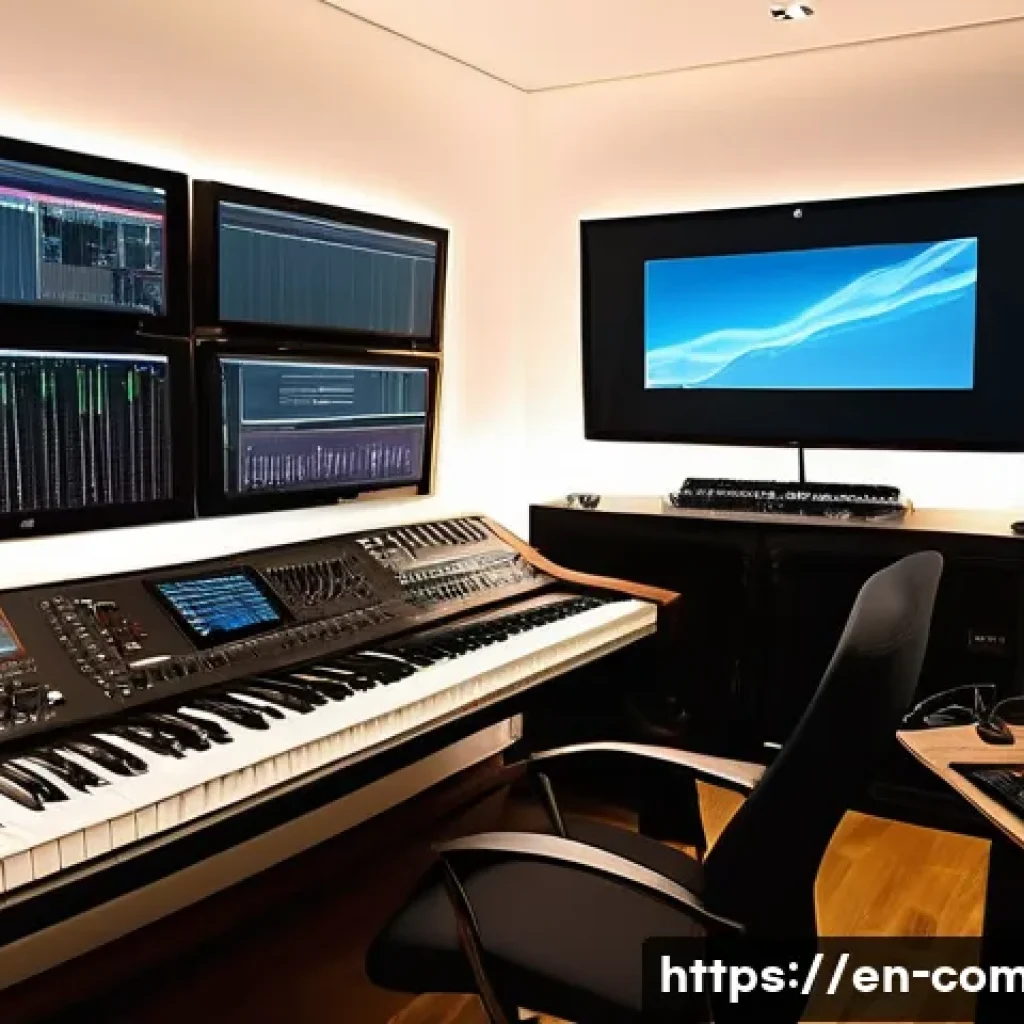
Spending on quality software, hardware, or even co-working spaces can seem daunting but pays off in efficiency and output quality. My investment in a professional MIDI controller and acoustic treatment transformed my home studio and workflow dramatically.
Comparing Key Career Paths in Music Transition
| Career Path | Required Skills | Typical Clients | Income Potential | Challenges |
|---|---|---|---|---|
| Film Scoring | Orchestration, Sync Timing, DAW Proficiency | Directors, Production Companies | Moderate to High | Strict Deadlines, Creative Constraints |
| Video Game Composition | Adaptive Music, Interactive Sound Design | Game Developers, Publishers | Moderate | Technical Complexity, Long Development Cycles |
| Commercial Jingles | Catchy Melodies, Quick Turnaround | Advertising Agencies, Brands | Variable | High Volume, Client Revisions |
| Streaming & Digital Platforms | Self-Promotion, Content Creation | Online Audiences, Sponsors | Variable, Growing | Highly Competitive, Requires Marketing |
| Concert & Contemporary Music | Composition, Performance Collaboration | Orchestras, Festivals, Patrons | Variable | Limited Funding, Niche Audience |
Wrapping Up
Exploring new creative paths beyond traditional composition opens exciting opportunities for growth and innovation. Embracing technology, adapting workflows, and building strong networks are essential steps for success in diverse music industries. With persistence and continuous learning, composers can navigate transitions confidently while maintaining their artistic voice.
Useful Insights to Keep in Mind
1. Diversify your skill set to stay relevant across multiple music sectors and increase your marketability.
2. Build meaningful relationships by leveraging existing contacts and seeking mentors who can guide your transition.
3. Understand the business side thoroughly, including licensing, pricing, and contracts, to protect your work and income.
4. Manage your time effectively by balancing creative work with administrative tasks to avoid burnout.
5. Invest in ongoing education and personal experimentation to sharpen your abilities and stay inspired.
Key Takeaways for a Successful Music Career Shift
Navigating a career change in music requires balancing artistic integrity with practical considerations like market demands and financial stability. Prioritize learning the unique requirements of your new domain, from technical skills to business knowledge. Cultivate strong professional networks and remain flexible in your creative process. Ultimately, persistence, adaptability, and a proactive approach to challenges will drive your growth and open doors to rewarding opportunities.
Frequently Asked Questions (FAQ) 📖
Q: How can a classical composer successfully transition into film scoring?
A: Transitioning from classical composition to film scoring involves more than just writing music; it requires understanding storytelling through sound. From my experience, immersing yourself in film language—watching movies with a critical ear and learning how music interacts with visuals—is essential.
Building relationships with filmmakers and practicing composing to picture can accelerate growth. Don’t hesitate to start with short films or student projects to gain hands-on experience.
Also, being flexible and open to feedback is crucial because film scoring often demands quick revisions and collaboration.
Q: What role does technology play in evolving a composer’s career path today?
A: Technology has completely reshaped how composers create and distribute their work. Personally, embracing digital audio workstations (DAWs), sample libraries, and virtual instruments expanded my creative possibilities tremendously.
Learning to use these tools effectively not only enhances your sound palette but also speeds up the workflow, which is vital in fast-paced industries like gaming and advertising.
Additionally, online platforms allow composers to showcase their work worldwide, connect with clients, and even monetize their music without traditional gatekeepers.
Staying updated with tech trends keeps you competitive and opens doors you might never have imagined.
Q: What mindset shifts are necessary for composers exploring new digital platforms?
A: Moving into new digital realms means adopting a growth mindset where experimentation is welcomed rather than feared. I found that letting go of rigid definitions of “serious” composition and embracing genres or formats outside your comfort zone can be liberating.
Digital platforms often reward originality and consistent engagement, so viewing your career as a blend of artistry and entrepreneurship is key. Be prepared to learn marketing basics, engage with communities, and adapt your creative output based on audience feedback.
This openness not only sustains your creative spirit but also builds a loyal following over time.