Navigating the path of a composer is like charting a course through uncharted waters. It’s not just about composing music; it’s about building a brand, connecting with audiences, and understanding the ever-evolving landscape of the music industry.
From scoring for films and video games to crafting concert pieces and exploring innovative digital platforms, the opportunities are vast but require strategic planning and a deep understanding of one’s unique artistic identity.
The music industry is rapidly changing with AI and new platforms constantly emerging, making adaptability and forward-thinking crucial for sustained success.
Let’s delve deeper into crafting a composer’s career path.
Crafting a composer’s career is more than just writing music; it’s about navigating a complex industry with foresight and creativity. Let’s dive into some key aspects of building a successful career as a composer.
Embracing Diverse Revenue Streams

For a composer, relying solely on composition fees can be limiting. Diversifying income streams is essential for financial stability and creative freedom.
It’s about understanding where your music can create value and tapping into those opportunities.
Exploring Film and Game Scoring
Film and video game scoring offers lucrative avenues for composers. The key is networking, building a strong demo reel, and understanding the specific needs of these industries.
Having a versatile portfolio that showcases different styles and genres is essential. I remember when I first started, I offered to score student films for free, just to get my foot in the door and build my portfolio.
One of those early projects led to a paid gig, which then led to another, and so on. It’s about being proactive and taking those initial steps, even if they seem small at the time.
Many composers also participate in game jams and other events to showcase their skills and meet potential clients.
Creating and Selling Stock Music
Stock music libraries are a great source of passive income. Composing and licensing tracks for use in various media projects can generate royalties over time.
High-quality recordings and meticulous tagging are vital for discoverability. From my experience, focusing on creating unique and high-quality tracks, and understanding the search algorithms of these platforms can greatly increase your chances of earning consistently.
This is an area where niche genres can really shine, offering something unique that’s not already saturated in the market. It really becomes passive income after a while.
Teaching and Mentoring Aspiring Musicians
Sharing your knowledge and expertise through teaching can be both financially rewarding and fulfilling. Offering private lessons, workshops, or online courses allows you to earn income while nurturing the next generation of composers.
I’ve found that teaching not only provides a steady income stream but also reinforces my own understanding of music theory and composition techniques.
Building a Strong Online Presence
In today’s digital age, having a robust online presence is non-negotiable for composers. It’s about showcasing your work, connecting with audiences, and establishing yourself as an authority in your field.
Crafting a Professional Website
Your website is your digital storefront. It should feature your best work, a detailed biography, testimonials, and contact information. Ensure it’s mobile-friendly and easy to navigate.
I’ve seen firsthand how a well-designed website can make a huge difference. It’s often the first impression you make on potential clients and collaborators.
Be sure to include high-quality recordings of your music, as well as videos of performances or behind-the-scenes footage. Also, remember to keep your website updated with your latest projects and achievements.
Leveraging Social Media Platforms
Social media is a powerful tool for reaching a wider audience and engaging with fans. Choose platforms that align with your target demographic and consistently share valuable content.
I would suggest to share snippets of your work, behind-the-scenes glimpses, and engage in conversations with your followers to build a community around your music.
Remember, authenticity is key. People want to connect with the real you, not a polished, corporate version. For example, I sometimes share my struggles with writer’s block or the challenges of working on a particularly complex score.
This helps to humanize me and make me more relatable to my audience.
Engaging with Email Marketing
Building an email list allows you to communicate directly with your fans and subscribers. Share updates, new releases, and exclusive content to keep them engaged and informed.
Email marketing can be a game-changer for independent musicians. I’ve found that sending out regular newsletters with updates on my latest projects, behind-the-scenes stories, and exclusive content helps me stay top-of-mind with my fans and potential clients.
I also use my email list to announce upcoming performances, workshops, and other events.
Networking and Collaboration
Building a strong network of industry contacts is crucial for career advancement. Collaborating with other artists and professionals can open doors to new opportunities and expand your creative horizons.
Attending Industry Events and Conferences
Industry events and conferences provide valuable opportunities to meet potential clients, collaborators, and mentors. Be prepared to introduce yourself and share your work.
When I attend these events, I always make sure to bring business cards and a small portfolio of my work. I also try to strike up conversations with people and learn about their experiences in the industry.
Networking is not just about making connections, but also about building relationships.
Collaborating with Other Artists
Working with other artists can bring fresh perspectives and innovative ideas to your compositions. Seek out opportunities to collaborate with musicians, filmmakers, and other creatives.
I remember when I collaborated with a local dance company on a performance piece. It was a completely different experience from anything I had done before, and it really pushed me to think outside the box and experiment with new sounds and textures.
Collaboration can be a powerful tool for growth and creativity.
Building Relationships with Industry Professionals
Cultivating relationships with agents, managers, and publishers can provide valuable support and guidance. Seek out mentors who can offer advice and insights based on their own experiences.
From my own experience, having a mentor who can provide guidance and support is invaluable. Look for someone who has experience in your field and is willing to share their knowledge and insights.
A mentor can help you navigate the challenges of the industry and make informed decisions about your career.
Mastering the Art of Self-Promotion
Promoting your work effectively is essential for gaining recognition and attracting opportunities. It’s about showcasing your talent and building a brand that resonates with your target audience.
Crafting a Compelling Narrative
Your story is what sets you apart from other composers. Share your journey, your inspirations, and your unique approach to music. I’ve found that people are drawn to authentic stories.
Be open and honest about your experiences, and let your personality shine through. Your story is what makes you unique and memorable.
Submitting Your Work to Competitions and Festivals
Entering competitions and festivals can provide valuable exposure and validation for your work. Research opportunities that align with your genre and style.
I would advise to not be afraid to put yourself out there and submit your work. Even if you don’t win, the exposure can be valuable. And if you do win, it can open doors to new opportunities and collaborations.
Seeking Media Coverage and Reviews
Generating media coverage and positive reviews can significantly boost your visibility and credibility. Reach out to journalists, bloggers, and music critics to share your work.
I’ve found that building relationships with media professionals is key. Attend industry events, connect with journalists on social media, and offer them exclusive content.
The more you can do to help them do their job, the more likely they are to cover your work.
Understanding the Business Side of Music
Navigating the financial and legal aspects of the music industry is crucial for protecting your work and ensuring fair compensation.
Copyright and Intellectual Property
Understanding copyright law is essential for protecting your original compositions. Register your work with the appropriate agencies and ensure you have clear agreements with collaborators and publishers.
In my experience, consulting with a music lawyer is a wise investment. They can help you navigate the complexities of copyright law and ensure that your rights are protected.
Negotiating Contracts and Licensing Agreements
Be prepared to negotiate contracts and licensing agreements with confidence. Seek legal advice to ensure you understand the terms and conditions. I would suggest to always read the fine print and don’t be afraid to ask questions.
If something doesn’t seem right, get a second opinion from a lawyer or trusted advisor.
Managing Finances and Taxes
Developing sound financial habits is crucial for long-term success. Track your income and expenses, and seek professional advice on tax planning and investment strategies.
I would advise to keep detailed records of all your income and expenses. This will make it easier to file your taxes and manage your finances effectively.
It’s also a good idea to consult with a financial advisor who can help you develop a plan for your long-term financial goals. Here is a table summarizing key aspects of a composer’s career path:
| Area | Key Activities | Benefits |
|---|---|---|
| Revenue Streams | Film scoring, stock music, teaching | Financial stability, creative freedom |
| Online Presence | Website, social media, email marketing | Wider audience, engagement, brand building |
| Networking | Industry events, collaborations | New opportunities, fresh perspectives |
| Self-Promotion | Narrative, competitions, media coverage | Recognition, visibility, credibility |
| Business Acumen | Copyright, contracts, finances | Protection, fair compensation, sustainability |
Adapting to Technological Advancements
Technology continues to reshape the music industry. Composers must stay abreast of the latest tools and trends to remain competitive.
Exploring Digital Audio Workstations (DAWs)
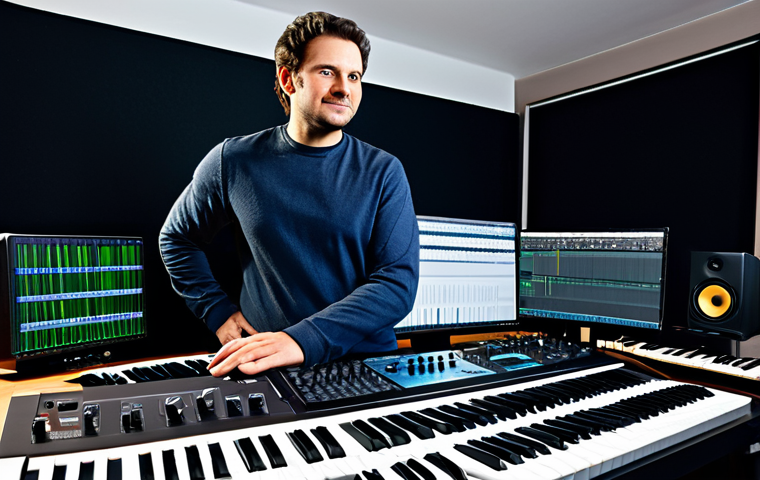
Mastering DAWs like Ableton Live, Logic Pro X, or Pro Tools is essential for modern composers. These tools allow you to create, record, and edit music with precision.
I’ve found that experimenting with different DAWs can open up new creative possibilities. Each DAW has its own unique features and workflows, so it’s worth exploring a few to see which one best suits your style.
I personally prefer Logic Pro X, but Ableton Live is also a great option, especially for electronic music.
Leveraging Virtual Instruments and Sample Libraries
Virtual instruments and sample libraries can expand your sonic palette and streamline your workflow. Explore a variety of options to find sounds that inspire you.
I always advise to invest in high-quality virtual instruments and sample libraries. They can make a huge difference in the quality of your compositions.
There are tons of great options out there, from orchestral libraries to synthesizers to world instruments. Do your research and find the ones that fit your needs and budget.
Embracing AI and Machine Learning in Music Creation
AI and machine learning are increasingly being used in music creation. Explore tools that can assist with composition, arrangement, and mixing. I would advise to approach AI with caution, but also be open to its possibilities.
AI can be a useful tool for generating ideas, creating variations, and automating repetitive tasks. However, it’s important to remember that AI is just a tool.
It’s up to you to use it creatively and expressively.
Maintaining Creative Well-being
Sustaining a long and fulfilling career requires prioritizing your mental and emotional well-being.
Setting Realistic Goals and Expectations
Avoid burnout by setting realistic goals and expectations. Celebrate your accomplishments and learn from your setbacks. I would advise to break down your goals into smaller, more manageable steps.
This will make them less daunting and more achievable. Also, remember to celebrate your successes along the way. It’s important to acknowledge your progress and give yourself credit for your hard work.
Practicing Self-Care and Mindfulness
Take time for activities that nourish your mind, body, and spirit. Practice self-care and mindfulness to reduce stress and enhance your creativity. I’ve found that taking regular breaks from work and engaging in activities that I enjoy helps me stay refreshed and motivated.
Whether it’s going for a walk in nature, listening to music, or spending time with loved ones, it’s important to prioritize your well-being.
Seeking Support from Peers and Mentors
Connect with other composers and seek support from mentors. Sharing your experiences and challenges can provide valuable perspective and encouragement.
I would advise to build a strong support network of peers and mentors. They can provide valuable advice, feedback, and encouragement. It’s important to remember that you’re not alone in your journey.
There are many other composers who are facing similar challenges and who are willing to help you succeed. By embracing these strategies and staying true to your artistic vision, you can pave the way for a successful and fulfilling career as a composer.
Crafting a composer’s career is more than just writing music; it’s about navigating a complex industry with foresight and creativity. Let’s dive into some key aspects of building a successful career as a composer.
Embracing Diverse Revenue Streams
For a composer, relying solely on composition fees can be limiting. Diversifying income streams is essential for financial stability and creative freedom. It’s about understanding where your music can create value and tapping into those opportunities.
Exploring Film and Game Scoring
Film and video game scoring offers lucrative avenues for composers. The key is networking, building a strong demo reel, and understanding the specific needs of these industries. Having a versatile portfolio that showcases different styles and genres is essential. I remember when I first started, I offered to score student films for free, just to get my foot in the door and build my portfolio. One of those early projects led to a paid gig, which then led to another, and so on. It’s about being proactive and taking those initial steps, even if they seem small at the time. Many composers also participate in game jams and other events to showcase their skills and meet potential clients.
Creating and Selling Stock Music
Stock music libraries are a great source of passive income. Composing and licensing tracks for use in various media projects can generate royalties over time. High-quality recordings and meticulous tagging are vital for discoverability. From my experience, focusing on creating unique and high-quality tracks, and understanding the search algorithms of these platforms can greatly increase your chances of earning consistently. This is an area where niche genres can really shine, offering something unique that’s not already saturated in the market. It really becomes passive income after a while.
Teaching and Mentoring Aspiring Musicians
Sharing your knowledge and expertise through teaching can be both financially rewarding and fulfilling. Offering private lessons, workshops, or online courses allows you to earn income while nurturing the next generation of composers. I’ve found that teaching not only provides a steady income stream but also reinforces my own understanding of music theory and composition techniques.
Building a Strong Online Presence
In today’s digital age, having a robust online presence is non-negotiable for composers. It’s about showcasing your work, connecting with audiences, and establishing yourself as an authority in your field.
Crafting a Professional Website
Your website is your digital storefront. It should feature your best work, a detailed biography, testimonials, and contact information. Ensure it’s mobile-friendly and easy to navigate. I’ve seen firsthand how a well-designed website can make a huge difference. It’s often the first impression you make on potential clients and collaborators. Be sure to include high-quality recordings of your music, as well as videos of performances or behind-the-scenes footage. Also, remember to keep your website updated with your latest projects and achievements.
Leveraging Social Media Platforms
Social media is a powerful tool for reaching a wider audience and engaging with fans. Choose platforms that align with your target demographic and consistently share valuable content. I would suggest to share snippets of your work, behind-the-scenes glimpses, and engage in conversations with your followers to build a community around your music. Remember, authenticity is key. People want to connect with the real you, not a polished, corporate version. For example, I sometimes share my struggles with writer’s block or the challenges of working on a particularly complex score. This helps to humanize me and make me more relatable to my audience.
Engaging with Email Marketing
Building an email list allows you to communicate directly with your fans and subscribers. Share updates, new releases, and exclusive content to keep them engaged and informed. Email marketing can be a game-changer for independent musicians. I’ve found that sending out regular newsletters with updates on my latest projects, behind-the-scenes stories, and exclusive content helps me stay top-of-mind with my fans and potential clients. I also use my email list to announce upcoming performances, workshops, and other events.
Networking and Collaboration
Building a strong network of industry contacts is crucial for career advancement. Collaborating with other artists and professionals can open doors to new opportunities and expand your creative horizons.
Attending Industry Events and Conferences
Industry events and conferences provide valuable opportunities to meet potential clients, collaborators, and mentors. Be prepared to introduce yourself and share your work. When I attend these events, I always make sure to bring business cards and a small portfolio of my work. I also try to strike up conversations with people and learn about their experiences in the industry. Networking is not just about making connections, but also about building relationships.
Collaborating with Other Artists
Working with other artists can bring fresh perspectives and innovative ideas to your compositions. Seek out opportunities to collaborate with musicians, filmmakers, and other creatives. I remember when I collaborated with a local dance company on a performance piece. It was a completely different experience from anything I had done before, and it really pushed me to think outside the box and experiment with new sounds and textures. Collaboration can be a powerful tool for growth and creativity.
Building Relationships with Industry Professionals
Cultivating relationships with agents, managers, and publishers can provide valuable support and guidance. Seek out mentors who can offer advice and insights based on their own experiences. From my own experience, having a mentor who can provide guidance and support is invaluable. Look for someone who has experience in your field and is willing to share their knowledge and insights. A mentor can help you navigate the challenges of the industry and make informed decisions about your career.
Mastering the Art of Self-Promotion
Promoting your work effectively is essential for gaining recognition and attracting opportunities. It’s about showcasing your talent and building a brand that resonates with your target audience.
Crafting a Compelling Narrative
Your story is what sets you apart from other composers. Share your journey, your inspirations, and your unique approach to music. I’ve found that people are drawn to authentic stories. Be open and honest about your experiences, and let your personality shine through. Your story is what makes you unique and memorable.
Submitting Your Work to Competitions and Festivals
Entering competitions and festivals can provide valuable exposure and validation for your work. Research opportunities that align with your genre and style. I would advise to not be afraid to put yourself out there and submit your work. Even if you don’t win, the exposure can be valuable. And if you do win, it can open doors to new opportunities and collaborations.
Seeking Media Coverage and Reviews
Generating media coverage and positive reviews can significantly boost your visibility and credibility. Reach out to journalists, bloggers, and music critics to share your work. I’ve found that building relationships with media professionals is key. Attend industry events, connect with journalists on social media, and offer them exclusive content. The more you can do to help them do their job, the more likely they are to cover your work.
Understanding the Business Side of Music
Navigating the financial and legal aspects of the music industry is crucial for protecting your work and ensuring fair compensation.
Copyright and Intellectual Property
Understanding copyright law is essential for protecting your original compositions. Register your work with the appropriate agencies and ensure you have clear agreements with collaborators and publishers. In my experience, consulting with a music lawyer is a wise investment. They can help you navigate the complexities of copyright law and ensure that your rights are protected.
Negotiating Contracts and Licensing Agreements
Be prepared to negotiate contracts and licensing agreements with confidence. Seek legal advice to ensure you understand the terms and conditions. I would suggest to always read the fine print and don’t be afraid to ask questions. If something doesn’t seem right, get a second opinion from a lawyer or trusted advisor.
Managing Finances and Taxes
Developing sound financial habits is crucial for long-term success. Track your income and expenses, and seek professional advice on tax planning and investment strategies. I would advise to keep detailed records of all your income and expenses. This will make it easier to file your taxes and manage your finances effectively. It’s also a good idea to consult with a financial advisor who can help you develop a plan for your long-term financial goals.
Here is a table summarizing key aspects of a composer’s career path:
| Area | Key Activities | Benefits |
|---|---|---|
| Revenue Streams | Film scoring, stock music, teaching | Financial stability, creative freedom |
| Online Presence | Website, social media, email marketing | Wider audience, engagement, brand building |
| Networking | Industry events, collaborations | New opportunities, fresh perspectives |
| Self-Promotion | Narrative, competitions, media coverage | Recognition, visibility, credibility |
| Business Acumen | Copyright, contracts, finances | Protection, fair compensation, sustainability |
Adapting to Technological Advancements
Technology continues to reshape the music industry. Composers must stay abreast of the latest tools and trends to remain competitive.
Exploring Digital Audio Workstations (DAWs)
Mastering DAWs like Ableton Live, Logic Pro X, or Pro Tools is essential for modern composers. These tools allow you to create, record, and edit music with precision. I’ve found that experimenting with different DAWs can open up new creative possibilities. Each DAW has its own unique features and workflows, so it’s worth exploring a few to see which one best suits your style. I personally prefer Logic Pro X, but Ableton Live is also a great option, especially for electronic music.
Leveraging Virtual Instruments and Sample Libraries
Virtual instruments and sample libraries can expand your sonic palette and streamline your workflow. Explore a variety of options to find sounds that inspire you. I always advise to invest in high-quality virtual instruments and sample libraries. They can make a huge difference in the quality of your compositions. There are tons of great options out there, from orchestral libraries to synthesizers to world instruments. Do your research and find the ones that fit your needs and budget.
Embracing AI and Machine Learning in Music Creation
AI and machine learning are increasingly being used in music creation. Explore tools that can assist with composition, arrangement, and mixing. I would advise to approach AI with caution, but also be open to its possibilities. AI can be a useful tool for generating ideas, creating variations, and automating repetitive tasks. However, it’s important to remember that AI is just a tool. It’s up to you to use it creatively and expressively.
Maintaining Creative Well-being
Sustaining a long and fulfilling career requires prioritizing your mental and emotional well-being.
Setting Realistic Goals and Expectations
Avoid burnout by setting realistic goals and expectations. Celebrate your accomplishments and learn from your setbacks. I would advise to break down your goals into smaller, more manageable steps. This will make them less daunting and more achievable. Also, remember to celebrate your successes along the way. It’s important to acknowledge your progress and give yourself credit for your hard work.
Practicing Self-Care and Mindfulness
Take time for activities that nourish your mind, body, and spirit. Practice self-care and mindfulness to reduce stress and enhance your creativity. I’ve found that taking regular breaks from work and engaging in activities that I enjoy helps me stay refreshed and motivated. Whether it’s going for a walk in nature, listening to music, or spending time with loved ones, it’s important to prioritize your well-being.
Seeking Support from Peers and Mentors
Connect with other composers and seek support from mentors. Sharing your experiences and challenges can provide valuable perspective and encouragement. I would advise to build a strong support network of peers and mentors. They can provide valuable advice, feedback, and encouragement. It’s important to remember that you’re not alone in your journey. There are many other composers who are facing similar challenges and who are willing to help you succeed.
By embracing these strategies and staying true to your artistic vision, you can pave the way for a successful and fulfilling career as a composer.
Wrapping Up
The journey of a composer is a blend of artistry and entrepreneurship. By embracing diverse opportunities, building a solid online presence, and understanding the business aspects, you can carve out a successful path.
Remember, perseverance, continuous learning, and networking are your allies in this creative endeavor. Stay inspired, stay connected, and keep composing!
Your unique voice is what the world needs to hear. Go forth and create!
Good to Know Information
1. Check out local music organizations and guilds in your city or state. They often have resources and networking events.
2. Websites like Fiverr and Upwork can be great for finding freelance composition gigs.
3. Don’t underestimate the power of LinkedIn for connecting with industry professionals.
4. Consider attending a music business conference like SXSW or NAMM to learn more about the industry.
5. Always back up your work! Cloud storage services like Google Drive or Dropbox are a composer’s best friend.
Key Takeaways
Diversify income, build an online presence, network strategically, understand copyright and contracts, and prioritize self-care.
Frequently Asked Questions (FAQ) 📖
Q: As an aspiring composer, how do I even begin to define my unique artistic identity when everything feels derivative at first?
A: Oh, I get that feeling so much. It’s like staring at a blank canvas and only seeing echoes of the masters. I used to struggle with that, big time.
What really helped me was forgetting, at least for a while, about what I thought I should be creating. Instead, I started exploring the sounds that genuinely moved me, even if they seemed totally unrelated.
Like, I’m a huge fan of old sci-fi soundtracks and Appalachian folk music – a weird combo, right? But by experimenting with blending those elements, incorporating unusual instruments, and focusing on the emotional impact I wanted to create, I started carving out a sonic space that felt authentically “me.” Don’t be afraid to be a little weird, and definitely don’t underestimate the power of just messing around!
It’s like when I accidentally recorded a squeaky chair once during a session and, after some tinkering, turned it into a key percussive element for a cue – happy accidents are often the best!
Q: Everyone talks about networking, but as an introvert, the thought of cold-emailing directors or producers makes me want to hide under a rock.
A: re there other ways to build connections in the film and gaming world that don’t involve constant self-promotion? A2: Ugh, tell me about it! The whole “schmoozing” thing feels totally inauthentic to me.
I’ve found a better approach is focusing on building genuine relationships instead of just “networking.” Join online forums related to your genres, participate meaningfully in discussions, and offer constructive feedback on other composers’ work.
Attend workshops or masterclasses – even virtual ones! – and actually engage with the speakers and attendees. One of my biggest breaks came from simply helping a fellow composer troubleshoot a technical issue during a virtual workshop.
We ended up collaborating on a small indie project, and that led to bigger opportunities down the line. Also, don’t underestimate the power of social media – use it to share your work and connect with people whose art you admire, but always be genuine and avoid being overly promotional.
Share your process, your inspirations, and your struggles – people connect with authenticity. Think of it as building a community, not just a Rolodex.
Q: With
A: I tools like MuseNet and Amper Music becoming more sophisticated, how can I, as a human composer, stay relevant and competitive in the long run? It feels like the robots are coming for my job!
A3: Okay, first, deep breaths! I know the AI thing can feel super intimidating. But honestly, I see it more as a tool than a threat.
Think of it like the introduction of synthesizers back in the day – some people feared they’d replace orchestral musicians, but they just became another instrument in the composer’s palette.
The key is to focus on what AI can’t do – the emotional depth, the nuanced understanding of human experience, and the collaborative spirit that makes music truly resonate.
I started experimenting with using AI to generate basic chord progressions or melodic ideas, and then I take those elements and infuse them with my own unique voice, adding unexpected harmonies, dynamic shifts, and sonic textures that a machine would never conceive of.
It’s like having a really efficient assistant who can handle the grunt work, freeing you up to focus on the artistry. Plus, human connection is huge. Directors want to work with people they trust and whose artistic vision aligns with theirs.
So, double down on your storytelling skills, your ability to communicate effectively, and your willingness to collaborate – those are the things that will always set you apart.
Think of AI as a collaborator, not a competitor, and embrace it as part of your creative toolbox.
📚 References
Wikipedia Encyclopedia
구글 검색 결과
구글 검색 결과
구글 검색 결과
구글 검색 결과
구글 검색 결과